
📖 Daily Scripture
Tuesday, June 23, 2026 — Tuesday of the Twelfth Week in Ordinary Time
Readings: 2 Kings 19:9b-11, 14-21, 31-35a, 36 • Psalm 48:2-3ab, 3cd-4, 10-11 • Matthew 7:6, 12-14
There is a moment in the life of every soul when the world draws near and speaks as Sennacherib spoke, with a voice calculated to unsettle: a letter of threats, a catalogue of conquered things, an invitation to despair of the very God on whom one has leaned. The kings of this age still send their envoys, and their argument is always the same — that the powers we can see are the only powers that are real, and that what is unseen cannot save. Hezekiah's answer is the answer the soul must learn. He did not match boast for boast, nor did he hide the letter from himself; he took it up to the temple and spread it out before the Lord, naming Him as he prayed, “You alone are God over all the kingdoms of the earth.” Here is the first lesson hidden in the day's readings: that faith is not the absence of fear but the carrying of our fear into the presence of God. To believe in the one God means trusting God in every circumstance, even in adversity. The besieged heart is not asked to feel strong; it is asked to turn.
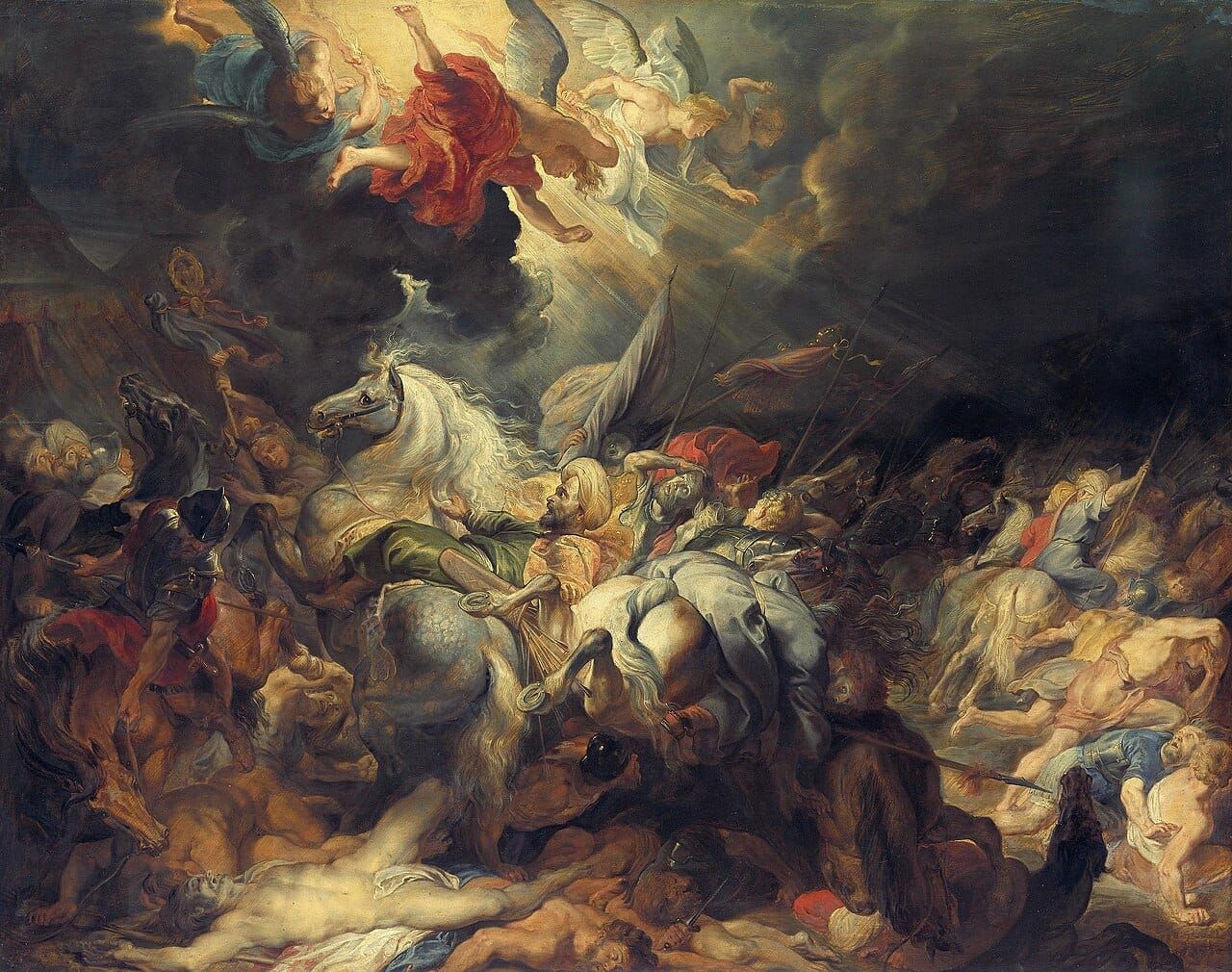
And the very turning is its medicine. For prayer is not the informing of a God who already knows our need, but the slow widening of the soul to receive what He longs to give; the very effort involved in prayer calms and purifies our heart, and makes it more capacious for receiving the divine gifts. Hezekiah went up empty-handed and came down delivered, not because his words moved God, but because his trust made room for God to move. The deliverance that followed — the angel going forth in the night, the proud camp broken, the city upheld, for God upholds his city for ever — is the outward sign of an inward truth: that the soul which commits its cause to God is never finally overrun.
Yet the Gospel will not let us rest in deliverance alone; it sets before us a gate and a road, and bids us choose. The way that many travel is broad and undemanding, and it has the comfort of company; but our Lord warns that it runs downhill to ruin. The other way is strait, and few there are who find it. We should not mistake the narrowness for harshness. The gate is narrow because it is the gate of love, and love is exacting. It is gathered into a single golden sentence: whatever you wish that men would do to you, do so to them. This is the whole Law pressed into a span we can carry — to grant to others, at every turn, the patience, the mercy, the honesty, the room we so freely wish for ourselves. The road is narrow not because God begrudges us happiness, but because self-giving leaves no space for self-seeking; one cannot pass through the gate of love while clutching the bulk of one's own pride.
The Church has always known there are two ways, the one of life, the other of death, and that the way of Christ leads to life while a contrary way leads to destruction. But she has never pretended that the narrow way is a misery. Chrysostom, gazing on the same strait gate, reminds the weary that its hardship is brief and its end is glory, for the labors come first, and the crowns after. So the soul need not choose between Hezekiah's trust and the Gospel's effort; they are one movement. We spread our helplessness before God, and He gives us the strength to walk the narrow road of love, entering it not by force but by self-gift, as the Lord Himself entered through the narrow door of the Cross. What looks from the broad way like deprivation is, to those who walk it, the only path that does not end in loss. The gate is small, but it opens upon life without end, and the God who upholds his city will not fail the heart that has made Him its stronghold.
Lord, when the world sends its letters of fear, teach me to spread them open before You and to say with my whole heart that You alone are God. Widen the narrow rooms within me until there is space for trust, and make me generous on the strait road of love, doing to others the good I long to receive. Let me not envy the broad and easy way, but keep my feet on the path that leads to life. Through Christ our Lord. Amen.
Sources & References
- “You alone are God over all the kingdoms of the earth” — First Reading, 2 Kings 19.
- “God upholds his city for ever” — Responsorial Psalm, Psalm 48.
- The strait gate and narrow road that “leads to life,” and the Golden Rule — Gospel, Matthew 7:6, 12-14.
- “Trusting God in every circumstance, even in adversity” — Catechism of the Catholic Church, 227.
- The Golden Rule — Catechism of the Catholic Church, 1789.
- “The way of Christ leads to life; a contrary way leads to destruction” — Catechism of the Catholic Church, 1696 (Didache 1, 1).
- “The very effort involved in prayer calms and purifies our heart” — St. Augustine, On the Sermon on the Mount, Book II.
- “The labors come first, and the crowns after” — St. John Chrysostom, Homily 23 on Matthew.
- Pope Francis, Angelus, 25 August 2019, on entering the narrow gate by love and self-gift.
📖 Lectura del día
Martes 23 de junio de 2026 — Martes de la duodécima semana del Tiempo Ordinario
Lecturas: 2 Reyes 19,9b-11.14-21.31-35a.36 • Salmo 48,2-3ab.3cd-4.10-11 • Mateo 7,6.12-14
Hay un momento en la vida de toda alma en que el mundo se acerca y habla como habló Senaquerib, con una voz calculada para inquietar: una carta de amenazas, un catálogo de cosas conquistadas, una invitación a desesperar del mismo Dios en quien uno se ha apoyado. Los reyes de este siglo siguen enviando sus emisarios, y su argumento es siempre el mismo: que los poderes que podemos ver son los únicos poderes reales, y que lo invisible no puede salvar. La respuesta de Ezequías es la respuesta que el alma debe aprender. No respondió jactancia con jactancia, ni se ocultó a sí mismo la carta; la subió al templo y la desplegó ante el Señor, nombrándolo mientras oraba: «Sólo tú eres Dios sobre todos los reinos de la tierra». He aquí la primera lección escondida en las lecturas del día: que la fe no es la ausencia de temor, sino el llevar nuestro temor a la presencia de Dios. Creer en el único Dios significa confiar en Dios en toda circunstancia, incluso en la adversidad. Al corazón sitiado no se le pide sentirse fuerte; se le pide volverse.
Y el mismo volverse es su medicina. Porque la oración no es informar a un Dios que ya conoce nuestra necesidad, sino el lento ensancharse del alma para recibir lo que Él anhela dar; el esfuerzo mismo de la oración calma y purifica nuestro corazón, y lo hace más capaz de recibir los dones divinos. Ezequías subió con las manos vacías y bajó liberado, no porque sus palabras movieran a Dios, sino porque su confianza hizo sitio para que Dios obrara. La liberación que siguió —el ángel saliendo en la noche, el campamento soberbio destrozado, la ciudad sostenida, pues Dios sostiene su ciudad para siempre— es el signo exterior de una verdad interior: que el alma que encomienda su causa a Dios jamás es finalmente arrollada.
Mas el Evangelio no nos deja descansar sólo en la liberación; pone ante nosotros una puerta y un camino, y nos manda elegir. El camino que muchos recorren es ancho y poco exigente, y tiene el consuelo de la compañía; pero nuestro Señor advierte que va cuesta abajo hacia la perdición. El otro camino es estrecho, y pocos lo encuentran. No confundamos la estrechez con la dureza. La puerta es estrecha porque es la puerta del amor, y el amor es exigente. Todo se recoge en una sola sentencia de oro: todo lo que queráis que os hagan los hombres, hacédselo también vosotros a ellos. Esta es la Ley entera comprimida en una medida que podemos llevar: conceder a los demás, en cada paso, la paciencia, la misericordia, la honestidad, el espacio que tan libremente deseamos para nosotros mismos. El camino es estrecho no porque Dios nos regatee la felicidad, sino porque el don de sí no deja sitio a la busca de sí; nadie puede pasar por la puerta del amor mientras aprieta contra el pecho el bulto de su propio orgullo.
La Iglesia ha sabido siempre que hay dos caminos, el uno de la vida, el otro de la muerte, y que el camino de Cristo lleva a la vida mientras un camino contrario lleva a la perdición. Pero nunca ha fingido que el camino estrecho sea una desdicha. Crisóstomo, mirando esa misma puerta estrecha, recuerda al fatigado que su fatiga es breve y su término es gloria, pues primero vienen los trabajos y después las coronas. Así, el alma no ha de elegir entre la confianza de Ezequías y el esfuerzo del Evangelio; son un solo movimiento. Desplegamos nuestra impotencia ante Dios, y Él nos da la fuerza para caminar el angosto camino del amor, entrando en él no por la fuerza sino por el don de sí, como el Señor mismo entró por la puerta estrecha de la Cruz. Lo que desde el camino ancho parece privación es, para quienes lo recorren, la única senda que no acaba en pérdida. La puerta es pequeña, pero se abre a la vida sin fin, y el Dios que sostiene su ciudad no fallará al corazón que lo ha hecho su fortaleza.
Señor, cuando el mundo envíe sus cartas de temor, enséñame a desplegarlas ante ti y a decir con todo mi corazón que sólo tú eres Dios. Ensancha las habitaciones estrechas que hay dentro de mí hasta que haya sitio para la confianza, y hazme generoso en el angosto camino del amor, haciendo a los demás el bien que anhelo recibir. No me dejes envidiar el camino ancho y fácil, sino mantén mis pies en la senda que lleva a la vida. Por Jesucristo nuestro Señor. Amén.
Fuentes y referencias
- «Sólo tú eres Dios sobre todos los reinos de la tierra» — Primera lectura, 2 Reyes 19.
- «Dios sostiene su ciudad para siempre» — Salmo responsorial, Salmo 48.
- La puerta estrecha y el camino angosto que «lleva a la vida», y la Regla de oro — Evangelio, Mateo 7,6.12-14.
- Confiar en Dios en toda circunstancia, incluso en la adversidad — Catecismo de la Iglesia Católica, 227.
- «Todo lo que queráis que os hagan los hombres, hacédselo también vosotros a ellos» (la Regla de oro) — Catecismo de la Iglesia Católica, 1789.
- «El camino de Cristo lleva a la vida; un camino contrario lleva a la perdición»; «Hay dos caminos, el uno de la vida, el otro de la muerte» — Catecismo de la Iglesia Católica, 1696 (citando la Didaché 1,1).
- «El esfuerzo mismo de la oración calma y purifica nuestro corazón, y lo hace más capaz de recibir los dones divinos» — San Agustín, Sobre el Sermón de la Montaña, libro II.
- «Primero vienen los trabajos y después las coronas» — San Juan Crisóstomo, Homilía 23 sobre el Evangelio de Mateo.
- Enseñanza papal sobre entrar por la puerta estrecha por el amor y el don de sí — Papa Francisco, Ángelus, 25 de agosto de 2019.