
📖 Daily Scripture
Wednesday, October 28, 2026 — Feast of Saints Simon and Jude, Apostles
Readings: Ephesians 2:19-22 • Psalm 19:2-3, 4-5 • Luke 6:12-16
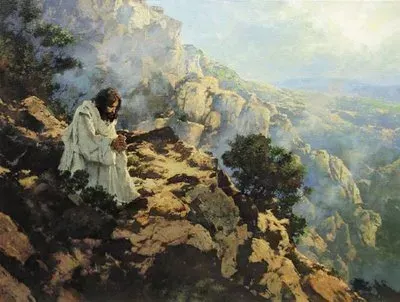
There is a quiet mercy in the fact that the Church keeps today the memory of two Apostles of whom Scripture tells us almost nothing. Simon, called the Zealot, and Jude, the son of James, stand in the Gospel list as little more than names; and yet the soul that lingers over them discovers that a name spoken by Christ is enough. Saint Luke tells us that before those names were ever uttered, the Lord "went up to the mountain to pray, and he spent the night in prayer to God." The choosing of the Twelve was not a hurried act of human preference, but the fruit of a long and silent communion with the Father, carried through the darkness until the day came.
The Church has pondered that night with care. The Catechism observes that the Lord "also prays before the decisive moments involving the mission of his apostles," and that such prayer "is a humble and trusting commitment of his human will to the loving will of the Father." Pope Francis, reflecting upon the same passage, remarked that "there is no criterion in this choice other than prayer, the dialogue of Jesus with the Father." Here lies the lesson for the soul. If the Son of God would not choose His friends without first spending the night upon the mountain, how presumptuous it is to make the great choices of life — a vocation, a marriage, a change of work, a word that cannot be unsaid — on the strength of impulse, convenience, or the counsel of one's own unexamined desires. The soul that would act rightly must first learn to be still; it must carry its decisions up the mountain and leave them there, in the presence of God, until the light of day makes plain what love requires.
Yet the readings carry the meditation further, from the mountain to the building. Saint Paul writes to the Ephesians that they are "no longer strangers and sojourners," but "fellow citizens with the holy ones and members of the household of God, built upon the foundation of the Apostles and prophets, with Christ Jesus himself as the capstone." Simon and Jude, whose deeds are hidden from us, are nonetheless set within that foundation; their obscurity has not diminished their place. The Catechism, speaking of this holy temple, says simply: "As living stones we here on earth are built into it." A stone does not choose its position in the wall, nor does it complain that it lies beneath others or is hidden from view. It is enough that it bears its weight faithfully and rests upon what lies beneath it.
There is in every soul a secret wish to be its own foundation — to believe privately, to pray alone, to answer to no household but its own judgment. Saint Cyprian of Carthage met that temptation with a sentence the Church has never forgotten: "No one can have God as Father who does not have the Church as Mother." To belong to the household of God is to accept that one's faith was received and not invented, that it rests upon Apostles one did not choose, and that one's own small portion of fidelity, however unseen, holds up something far larger than oneself.
The Psalm assures the soul that even the silent heavens speak: "Through all the earth their voice resounds." So it is with the hidden Apostles, whose voice has gone out to the ends of the world though their histories are lost. The soul may take courage, then, in its own obscurity. It was chosen in prayer before ever it chose; it is held within a building whose cornerstone is Christ; and, as Pope Francis teaches, "Jesus’ love and prayer for each one of us does not cease." The night of prayer upon the mountain did not end when the day came. It continues still before the Father, and within it the least of the faithful finds its place, its peace, and its home.
Heavenly Father, whose Son spent the night in prayer before He called His Apostles, teach me to bring every decision of my life into the stillness of Your presence before I act. Build me as a living stone into Your holy household, content with the place You have given me, and keep me faithful upon the foundation of the Apostles. Through Christ our Lord. Amen.
Sources & References
- "went up to the mountain to pray, and he spent the night in prayer to God" — Luke 6:12 (NABRE, USCCB Daily Readings, October 28, 2026)
- "no longer strangers and sojourners… with Christ Jesus himself as the capstone" — Ephesians 2:19-20 (NABRE)
- "Through all the earth their voice resounds" — Psalm 19:5 (NABRE)
- "also prays before the decisive moments involving the mission of his apostles" and "is a humble and trusting commitment of his human will to the loving will of the Father" — Catechism of the Catholic Church, 2600
- "As living stones we here on earth are built into it" — Catechism of the Catholic Church, 756 (citing Lumen Gentium 6)
- "No one can have God as Father who does not have the Church as Mother" — St. Cyprian of Carthage, De Ecclesiae Catholicae Unitate 6, as quoted in Catechism of the Catholic Church, 181
- "there is no criterion in this choice other than prayer, the dialogue of Jesus with the Father" and "Jesus’ love and prayer for each one of us does not cease" — Pope Francis, General Audience, June 2, 2021 (Catechesis on Prayer 36: "Jesus, model and soul of all prayer"), featured in Vatican News "Word of the Day," October 28, 2026
Piedras vivas levantadas en la noche de oración
📖 Sagrada Escritura Diaria
Miércoles, 28 de octubre de 2026 — Fiesta de los Santos Simón y Judas, Apóstoles
Lecturas: Efesios 2, 19-22 • Salmo 18, 2-3. 4-5 • Lucas 6, 12-16
Hay una callada misericordia en que la Iglesia guarde hoy la memoria de dos Apóstoles de quienes la Escritura apenas nos dice nada. Simón, llamado el Fanático, y Judas, el hijo de Santiago, aparecen en la lista del Evangelio como poco más que nombres; y, sin embargo, el alma que se detiene en ellos descubre que basta un nombre pronunciado por Cristo. San Lucas nos cuenta que, antes de que esos nombres fueran dichos, el Señor "se retiró al monte a orar y se pasó la noche en oración con Dios". La elección de los Doce no fue un acto apresurado de preferencia humana, sino el fruto de una larga y silenciosa comunión con el Padre, sostenida a través de la oscuridad hasta que se hizo de día.
La Iglesia ha meditado con cuidado aquella noche. El Catecismo observa que "Jesús ora también ante los momentos decisivos que van a comprometer la misión de sus apóstoles", y que tal oración "es una entrega, humilde y confiada, de su voluntad humana a la voluntad amorosa del Padre". El Papa Francisco, reflexionando sobre este mismo pasaje, señaló: "Parece que no haya otro criterio en esta elección si no es la oración, el diálogo de Jesús con el Padre". Aquí está la lección para el alma. Si el Hijo de Dios no quiso elegir a sus amigos sin pasar antes la noche en el monte, cuánta presunción hay en tomar las grandes decisiones de la vida —una vocación, un matrimonio, un cambio de trabajo, una palabra que ya no podrá retirarse— al impulso del momento, por conveniencia o según el consejo de los propios deseos no examinados. El alma que quiere obrar rectamente debe aprender primero a estar quieta; debe subir sus decisiones al monte y dejarlas allí, en la presencia de Dios, hasta que la luz del día muestre con claridad lo que el amor pide.
Pero las lecturas llevan la meditación más lejos, del monte al edificio. San Pablo escribe a los efesios: "Ya no son ustedes extranjeros ni advenedizos; son conciudadanos de los santos y pertenecen a la familia de Dios, porque han sido edificados sobre el cimiento de los apóstoles y de los profetas, siendo Cristo Jesús la piedra angular". Simón y Judas, cuyas obras nos están ocultas, están sin embargo colocados en ese cimiento; su oscuridad no ha disminuido su lugar. El Catecismo, hablando de este templo santo, dice sencillamente: "nosotros como piedras vivas entramos en su construcción en este mundo". Una piedra no elige su posición en el muro, ni se queja de quedar debajo de otras o escondida a la vista. Le basta con sostener fielmente su peso y descansar sobre lo que tiene debajo.
Hay en toda alma un deseo secreto de ser su propio cimiento: creer a solas, orar a solas, no rendir cuentas a otra casa que a su propio juicio. San Cipriano de Cartago salió al paso de esa tentación con una sentencia que la Iglesia nunca ha olvidado: "Nadie puede tener a Dios por Padre si no tiene a la Iglesia por Madre". Pertenecer a la familia de Dios es aceptar que la propia fe fue recibida y no inventada, que descansa sobre Apóstoles que uno no eligió, y que la pequeña porción de fidelidad de cada cual, por oculta que sea, sostiene algo mucho más grande que uno mismo.
El Salmo asegura al alma que aun los cielos silenciosos hablan: "a toda la tierra llega su sonido". Así sucede con los Apóstoles escondidos, cuya voz ha llegado hasta los confines del mundo aunque sus historias se hayan perdido. Que el alma cobre ánimo, pues, en su propia oscuridad. Fue elegida en la oración antes de elegir ella misma; está sostenida dentro de un edificio cuya piedra angular es Cristo; y, como enseña el Papa Francisco, "el amor y la oración de Jesús por cada uno de nosotros no cesa". La noche de oración en el monte no terminó cuando se hizo de día. Continúa aún ante el Padre, y en ella el más pequeño de los fieles encuentra su lugar, su paz y su hogar.
Padre celestial, cuyo Hijo pasó la noche en oración antes de llamar a sus Apóstoles, enséñame a llevar cada decisión de mi vida a la quietud de tu presencia antes de obrar. Edifícame como piedra viva en tu casa santa, contento con el lugar que me has dado, y guárdame fiel sobre el cimiento de los Apóstoles. Por Jesucristo nuestro Señor. Amén.
Fuentes y referencias
- "se retiró al monte a orar y se pasó la noche en oración con Dios" — Lucas 6, 12 (Leccionario, USCCB Lecturas diarias, 28 de octubre de 2026)
- "Ya no son ustedes extranjeros ni advenedizos… siendo Cristo Jesús la piedra angular" — Efesios 2, 19-20 (Leccionario, USCCB)
- "a toda la tierra llega su sonido" — Salmo 18, 5 (Leccionario, USCCB; Salmo 19 en la numeración hebrea)
- "Jesús ora también ante los momentos decisivos que van a comprometer la misión de sus apóstoles" y "es una entrega, humilde y confiada, de su voluntad humana a la voluntad amorosa del Padre" — Catecismo de la Iglesia Católica, 2600
- "nosotros como piedras vivas entramos en su construcción en este mundo" — Catecismo de la Iglesia Católica, 756 (citando Lumen Gentium 6)
- "Nadie puede tener a Dios por Padre si no tiene a la Iglesia por Madre" — San Cipriano de Cartago, De Ecclesiae catholicae unitate 6, citado en el Catecismo de la Iglesia Católica, 181
- "Parece que no haya otro criterio en esta elección si no es la oración, el diálogo de Jesús con el Padre" y "el amor y la oración de Jesús por cada uno de nosotros no cesa" — Papa Francisco, Audiencia general, 2 de junio de 2021 (Catequesis sobre la oración 36: "Jesús, modelo y alma de toda oración"), destacada en "La Palabra del día" de Vatican News, 28 de octubre de 2026