
📖 Daily Scripture
Monday, August 24, 2026 — Feast of Saint Bartholomew, Apostle
Readings: Revelation 21:9b-14 • Psalm 145:10-11, 12-13, 17-18 • John 1:45-51
The last book of Scripture sets before the soul a city descending out of heaven, radiant as jasper, and the eye that is drawn first to its twelve gates of light is drawn afterward, and more quietly, to what lies beneath them. The wall of the city had twelve courses of stones as its foundation, on which were inscribed the twelve names of the twelve Apostles of the Lamb. Foundations are the portion of a building no one is meant to admire; they are laid in darkness and covered over, and here they are named. It is a strange and consoling thought that the eternal city should rest upon the names of men, and upon men of whom one at least is remembered chiefly for a moment of blunt and unflattering candour.
For Bartholomew, whom the Church has long recognised in the Nathanael of today's Gospel, first appears not in prayer nor in miracle but in an objection. Philip comes to him with the greatest announcement a man could carry — that the one about whom Moses wrote in the law, and also the prophets, has been found — and Nathanael answers, Can anything good come from Nazareth? He does not soften it. He does not, out of deference to his friend's enthusiasm, keep the doubt behind his teeth and carry it home to nurse in private. He says the thing he actually thinks. And the Lord, seeing him at a distance, does not rebuke him; He praises him: Here is a true child of Israel. There is no duplicity in him.
Augustine, pressing upon that word, gives it a definition the soul cannot easily escape: guile is when one thing is done and another feigned. The man of guile, he says, has as it were two hearts — one recess of the heart where he sees the truth, and another recess where he conceives falsehood. Nathanael had one heart only. This is not to say that he had no sin; Augustine is careful there, and his carefulness is the whole comfort of the passage: in Nathanael He praised the confession of sin, He did not judge that he was not a sinner. Guilelessness, then, is not innocence. It is the refusal to be two men at once.
Here is the lesson the readings press upon us, and it is narrower than it first appears. The Catechism teaches that truth as uprightness in human action and speech is called truthfulness, sincerity, or candour, and that this virtue consists in showing oneself true in deeds and truthful in words, and in guarding against duplicity, dissimulation, and hypocrisy. Few of us tell outright lies. Almost all of us keep the second recess. We adjust the tone to the listener; we allow an impression to stand which we know to be flattering and false; we bring to prayer a petition the will has already declined to want. The soul learns to live at a slight angle to itself, and calls the arrangement prudence. It is not prudence. It is the beginning of two hearts.
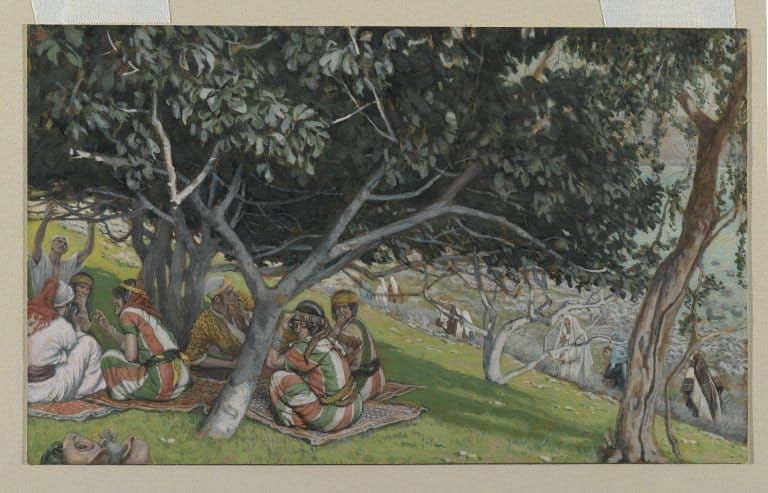
And the remedy is offered in the same Gospel, almost in passing. How do you know me? asks Nathanael, and the answer undoes him: Before Philip called you, I saw you under the fig tree. Augustine takes the fig tree for the leaves that Adam sewed, and reads the scene accordingly — Nathanael sat under the fig-tree, as it were under the shadow of death, and the Lord saw him there. Before I called thee by my apostles, when thou wast under the shadow of death, and thou sawest not me, I saw thee. This is the ground of all candour. The concealment was never successful. There is no recess of the heart that is private from God; there is only the labour of pretending there is. The soul that grasps this has nothing left to lose by honesty, and everything to gain.
The Catechism teaches that the pure in heart are those who have attuned their intellects and wills to the demands of God's holiness, and that purity of heart is the precondition of the vision of God. Nathanael's reward begins at once. He who could not believe that anything good might come from Nazareth is told, You will see greater things than this — and told it by the very Man of Nazareth, whose freedom is such that He is found precisely where He was least expected.
So the wall of the city stands. The Catechism confesses that the Church is apostolic because she is founded on the apostles, and remains built on the foundation of the Apostles, the witnesses chosen and sent on mission by Christ himself. Among those twelve inscribed names is the man who spoke his prejudice aloud and was loved for it. God does not build upon what the soul pretends to be. He builds upon what it actually is, once it has stopped pretending — and He has been looking at that, patiently and without dismay, since long before He called.
Lord, You saw me before I knew You, and You see me still, beneath every leaf I have sewn to cover myself. Teach me to have but one heart, and to bring You the truth of it without disguise. Let there be nothing within me that I would keep from Your sight, and let what You find there be healed by Your looking. Through Christ our Lord. Amen.
Sources & References
- "The wall of the city had twelve courses of stones as its foundation, on which were inscribed the twelve names of the twelve Apostles of the Lamb." — Revelation 21:9b-14, First Reading, Feast of Saint Bartholomew, Lectionary 629 (USCCB).
- "Your friends make known, O Lord, the glorious splendor of your Kingdom." — Psalm 145:10-11, 12-13, 17-18, Responsorial Psalm.
- "Can anything good come from Nazareth?"; "Here is a true child of Israel. There is no duplicity in him."; "Before Philip called you, I saw you under the fig tree."; "You will see greater things than this." — John 1:45-51, Gospel.
- "Guile is when one thing is done and another feigned"; "two hearts… one recess of the heart where he sees the truth, and another recess where he conceives falsehood"; "in Nathanael He praised the confession of sin, He did not judge that he was not a sinner"; "under the fig-tree, as it were under the shadow of death"; "Before I called thee by my apostles, when thou wast under the shadow of death, and thou sawest not me, I saw thee." — St. Augustine, Tractates on the Gospel of John, Tractate VII (on John 1:34–51).
- "Truth as uprightness in human action and speech is called truthfulness, sincerity, or candor… showing oneself true in deeds and truthful in words, and in guarding against duplicity, dissimulation, and hypocrisy." — Catechism of the Catholic Church, 2468.
- "'Pure in heart' refers to those who have attuned their intellects and wills to the demands of God's holiness." — CCC 2518. "Purity of heart is the precondition of the vision of God." — CCC 2519.
- "The Church is apostolic because she is founded on the apostles… she was and remains built on 'the foundation of the Apostles,' the witnesses chosen and sent on mission by Christ himself." — CCC 857.
- Papal insight: Pope Benedict XVI, General Audience, 4 October 2006, on the calling of Nathanael, as carried in Vatican News, Word of the Day, 24 August 2026.
Visto bajo la higuera
📖 Sagrada Escritura Diaria
Lunes, 24 de agosto de 2026 — Fiesta de San Bartolomé, Apóstol
Lecturas: Apocalipsis 21, 9-14 • Salmo 144, 10-11. 12-13. 17-18 • Juan 1, 45-51
El último libro de la Escritura pone ante el alma una ciudad que desciende del cielo, resplandeciente como un diamante cristalino, y la mirada, atraída primero por sus doce puertas de luz, desciende después, y más calladamente, a lo que hay debajo de ellas. La muralla descansaba sobre doce cimientos, en los que estaban escritos los doce nombres de los apóstoles del Cordero. Los cimientos son la parte del edificio que nadie está llamado a admirar; se ponen en la oscuridad y quedan cubiertos, y aquí se los nombra. Es un pensamiento extraño y consolador que la ciudad eterna repose sobre nombres de hombres, y sobre hombres de los cuales uno, al menos, es recordado sobre todo por un momento de franqueza áspera y poco halagadora.
Porque Bartolomé, a quien la Iglesia ha reconocido desde antiguo en el Natanael del Evangelio de hoy, no aparece por vez primera en la oración ni en el milagro, sino en una objeción. Felipe llega a él con el anuncio más grande que un hombre podría llevar —que ha sido hallado aquel de quien escribió Moisés en la ley y también los profetas— y Natanael responde: ¿Acaso puede salir de Nazaret algo bueno? No lo suaviza. No guarda la duda entre los dientes, por deferencia al entusiasmo de su amigo, para llevársela a casa y alimentarla en secreto. Dice lo que verdaderamente piensa. Y el Señor, al verlo de lejos, no lo reprende; lo alaba: Éste es un verdadero israelita en el que no hay doblez.
San Agustín, apretando aquella palabra, que la tradición latina llama dolo, le da una definición de la que el alma no escapa fácilmente: hay dolo cuando se hace una cosa y se finge otra. El hombre de dolo, dice, tiene, digamos, dos corazones: un seno del corazón donde ve la verdad, y otro seno donde concibe la mentira. Natanael tenía un solo corazón. Lo cual no significa que no tuviera pecado; ahí Agustín es cuidadoso, y su cuidado es todo el consuelo del pasaje: loó, pues, en Natanael la confesión del pecado, no juzgó que no era pecador. La sencillez sin doblez, entonces, no es inocencia. Es la negativa a ser dos hombres a la vez.
Aquí está la lección que las lecturas imponen, y es más estrecha de lo que a primera vista parece. Enseña el Catecismo que la verdad como rectitud de la acción y de la palabra humana tiene por nombre veracidad, sinceridad o franqueza, y que esta virtud consiste en mostrarse veraz en los propios actos y en decir verdad en sus palabras, evitando la duplicidad, la simulación y la hipocresía. Pocos de nosotros decimos mentiras abiertas. Casi todos conservamos el segundo seno. Ajustamos el tono al que escucha; dejamos en pie una impresión que sabemos halagadora y falsa; llevamos a la oración una petición que la voluntad ya se ha negado a querer. El alma aprende a vivir en un leve ángulo consigo misma, y llama prudencia a ese arreglo. No es prudencia. Es el comienzo de los dos corazones.
Y el remedio se ofrece en el mismo Evangelio, casi de paso. ¿De dónde me conoces?, pregunta Natanael, y la respuesta lo deshace: Antes de que Felipe te llamara, te vi cuando estabas debajo de la higuera. Agustín entiende la higuera por las hojas que cosió Adán, y lee la escena en consecuencia: Natanael estaba bajo el árbol del higo, como bajo sombra de muerte, y el Señor lo vio allí. Antes de llamarte mediante mis apóstoles, cuando estabas bajo sombra de muerte y tú no me veías, yo te vi. Éste es el fundamento de toda franqueza. El ocultamiento nunca tuvo éxito. No hay ningún seno del corazón que sea privado ante Dios; sólo existe el trabajo de fingir que lo hay. El alma que comprende esto ya nada tiene que perder por ser sincera, y todo que ganar.
Enseña el Catecismo que los corazones limpios designan a los que han ajustado su inteligencia y su voluntad a las exigencias de la santidad de Dios, y que la pureza de corazón es el preámbulo de la visión. La recompensa de Natanael empieza en el acto. A quien no podía creer que de Nazaret saliera algo bueno se le dice: Mayores cosas has de ver — y se lo dice el Hombre mismo de Nazaret, cuya libertad es tal que se le encuentra precisamente donde menos se le esperaba.
Así se levanta la muralla de la ciudad. Confiesa el Catecismo que la Iglesia es apostólica porque está fundada sobre los apóstoles, y que permanece edificada sobre el fundamento de los Apóstoles, testigos escogidos y enviados en misión por el mismo Cristo. Entre aquellos doce nombres inscritos está el hombre que dijo su prejuicio en voz alta y fue amado por ello. Dios no edifica sobre lo que el alma finge ser. Edifica sobre lo que el alma verdaderamente es, una vez que ha dejado de fingir; y eso lo ha estado mirando Él, con paciencia y sin desaliento, desde mucho antes de llamar.
Señor, tú me viste antes de que yo te conociera, y me sigues viendo bajo cada hoja que he cosido para cubrirme. Enséñame a tener un solo corazón, y a traerte su verdad sin disfraz. Que no quede dentro de mí nada que yo quisiera apartar de tu mirada, y que aquello que encuentres allí quede sanado por el mirar tuyo. Por Jesucristo nuestro Señor. Amén.
Fuentes y referencias
- "La muralla descansaba sobre doce cimientos, en los que estaban escritos los doce nombres de los apóstoles del Cordero." — Apocalipsis 21, 9-14, primera lectura, Fiesta de San Bartolomé, Leccionario 629 (USCCB).
- "Señor, que todos tus fieles te bendigan." — Salmo 144, 10-11. 12-13. 17-18, salmo responsorial (numeración del Leccionario en español).
- "¿Acaso puede salir de Nazaret algo bueno?"; "Éste es un verdadero israelita en el que no hay doblez."; "Antes de que Felipe te llamara, te vi cuando estabas debajo de la higuera."; "Mayores cosas has de ver." — Juan 1, 45-51, Evangelio.
- "Hay dolo cuando se hace una cosa y se finge otra"; "tiene, digamos, dos corazones: un seno del corazón donde ve la verdad, y otro seno donde concibe la mentira"; "loó, pues, en Natanael la confesión del pecado, no juzgó que no era pecador"; "Natanael estaba bajo el árbol del higo, como bajo sombra de muerte"; "Antes de llamarte mediante mis apóstoles, cuando estabas bajo sombra de muerte y tú no me veías, yo te vi." — San Agustín, Tratados sobre el Evangelio de San Juan, Tratado 7 (sobre Jn 1, 34-51), trad. Miguel Fuertes Lanero y José Anoz Gutiérrez.
- "La verdad como rectitud de la acción y de la palabra humana, tiene por nombre veracidad, sinceridad o franqueza… evitando la duplicidad, la simulación y la hipocresía." — Catecismo de la Iglesia Católica, 2468.
- "Los 'corazones limpios' designan a los que han ajustado su inteligencia y su voluntad a las exigencias de la santidad de Dios." — CIC 2518. "La pureza de corazón es el preámbulo de la visión." — CIC 2519.
- "La Iglesia es apostólica porque está fundada sobre los apóstoles… fue y permanece edificada sobre 'el fundamento de los Apóstoles', testigos escogidos y enviados en misión por el mismo Cristo." — CIC 857.
- Enseñanza papal: Papa Benedicto XVI, Audiencia general del 4 de octubre de 2006, sobre la vocación de Natanael, recogida en Vatican News, Palabra del día, 24 de agosto de 2026.