
📖 Daily Scripture
October 10, 2026 — Saturday of the Twenty-seventh Week in Ordinary Time
Readings: Galatians 3:22-29 • Psalm 105:2-3, 4-5, 6-7 • Luke 11:27-28
The Gospel of this day is among the shortest in all the Lectionary, two verses only, and yet it holds a whole doctrine of the spiritual life. A woman in the crowd, moved by what she has heard, lifts her voice in praise of the Mother who bore such a Son: "Blessed is the womb that carried you." It is a lovely cry, and a true one, for Mary is blessed. But the Lord does not let the praise rest where it fell. He gently moves it: "Rather, blessed are those who hear the word of God and observe it."
He is not diminishing his Mother; he is revealing the very ground of her greatness. Augustine saw this with his customary clearness: "Mary is more blessed in receiving the faith of Christ, than in conceiving the flesh of Christ." The Catechism says the same in plainer words: "The Virgin Mary most perfectly embodies the obedience of faith." Her blessedness was not first a matter of nearness to Christ in the flesh, but of a heart that heard what God spoke and gave itself wholly to it.
Here lies the lesson, and it reaches every soul without exception. It is possible to stand very near to holy things and remain untouched by them. The woman in the crowd admired from a distance, as souls so often do, praising the blessedness of others while leaving their own lives as they were. The temptation is subtle, because it looks like devotion. One may love the Church's beauty, quote her saints, and feel warmly toward the Gospel, and still never let a single word of it alter the way one speaks at home, spends an evening, or forgives an injury. The Lord's answer closes that door. Blessedness belongs not to those who admire the Word, but to those who keep it.
The Catechism draws out what hearing truly means: "To obey (from the Latin ob-audire, to 'hear or listen to') in faith is to submit freely to the word that has been heard." In the language of the Church, then, to hear and to obey are one act seen from two sides. A word heard and never acted upon has not yet been fully heard; it has only been listened to, as one listens to rain against a window.
Saint Paul gives this obedience its true dignity. The law, he says, was a disciplinarian, but now faith has come, and "all of you who were baptized into Christ have clothed yourselves with Christ." The soul that keeps the Word is not obeying a stranger's rule; it is wearing what it was given at the font. The Catechism notes that the white garment of Baptism "symbolizes that the person baptized has 'put on Christ,' has risen with Christ." To hear and keep the Word, day by day, is simply to go on wearing that garment, and to let it grow to fit.
Pope Francis, reflecting on this same Gospel, observed that the Lord always sows his Word and in return "he asks only for an open heart to listen to it and good will to put it into practise." The demand is not complicated. It is only the willingness, each morning, to ask what this Word asks of me, and then to do it before the day grows loud.
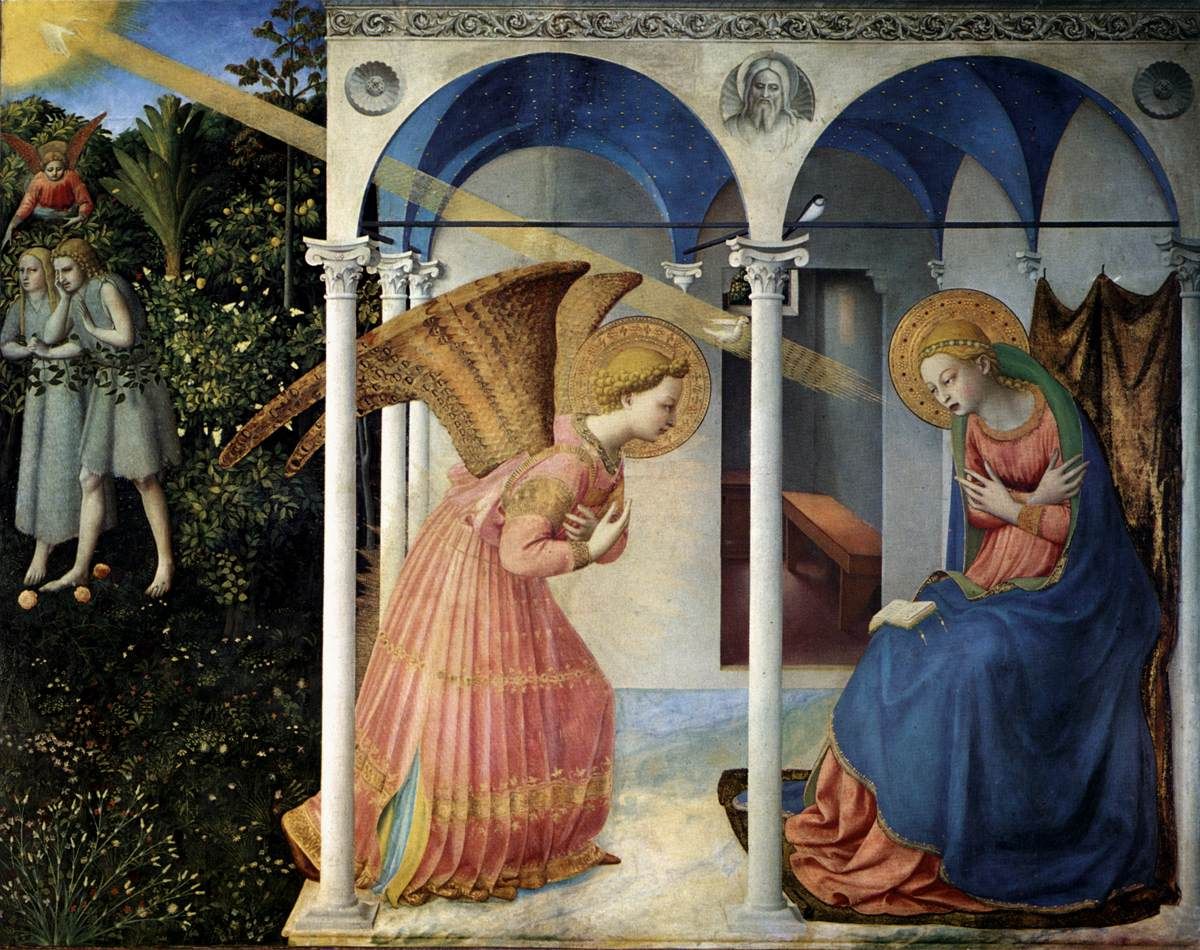
And there is great consolation in this. The Psalm sings that "The Lord remembers his covenant for ever." The God who speaks does not tire of speaking; if the Word was neglected yesterday, it is offered again today. The blessedness Christ named is not reserved for one woman in Nazareth, but held open to every soul willing to listen and to keep what it hears. That is the quiet joy of this Saturday: the same blessedness that crowned Mary is offered to the humblest heart that says, as she did, let it be done to me according to your word.
Lord, you speak to me each day, and too often I admire your Word without keeping it. Give me a heart like your Mother's, open to hear and willing to obey. Clothe me again in Christ, and let what I hear this morning become what I do before evening. Through Christ our Lord. Amen.
Sources & References
- "Blessed is the womb that carried you"; "Rather, blessed are those who hear the word of God and observe it" — Luke 11:27-28 (Gospel, Lectionary 466)
- "all of you who were baptized into Christ have clothed yourselves with Christ" — Galatians 3:27 (First Reading)
- "The Lord remembers his covenant for ever" — Responsorial Psalm refrain, Psalm 105:8a
- "Mary is more blessed in receiving the faith of Christ, than in conceiving the flesh of Christ" — St. Augustine, Of Holy Virginity (De sancta virginitate), 3
- "The Virgin Mary most perfectly embodies the obedience of faith" — Catechism of the Catholic Church, 148
- "To obey (from the Latin ob-audire, to 'hear or listen to') in faith is to submit freely to the word that has been heard" — Catechism of the Catholic Church, 144
- "symbolizes that the person baptized has 'put on Christ,' has risen with Christ" — Catechism of the Catholic Church, 1243
- "he asks only for an open heart to listen to it and good will to put it into practise" — Pope Francis, Homily at Santa Marta, 23 September 2014 (Vatican News, "Gospel and Word of the Day," 10 October 2026)
- Readings: USCCB Daily Readings, Saturday of the Twenty-seventh Week in Ordinary Time, 10 October 2026
La dicha del corazón que escucha
📖 Sagrada Escritura Diaria
10 de octubre de 2026 — Sábado de la XXVII semana del Tiempo ordinario
Lecturas: Gálatas 3, 21-29 • Salmo 104, 2-3. 4-5. 6-7 • Lucas 11, 27-28
El Evangelio de este día es de los más breves de todo el Leccionario, apenas dos versículos, y sin embargo encierra toda una doctrina de la vida espiritual. Una mujer de entre la multitud, conmovida por lo que ha oído, alza la voz en alabanza de la Madre que dio a luz a semejante Hijo: "¡Dichosa la mujer que te llevó en su seno!". Es un grito hermoso, y verdadero, porque María es dichosa. Pero el Señor no deja que la alabanza se quede donde cayó. La desplaza con suavidad: "Dichosos todavía más los que escuchan la palabra de Dios y la ponen en práctica".
No está disminuyendo a su Madre; está revelando el fundamento mismo de su grandeza. San Agustín lo vio con su acostumbrada claridad: María "más dichosa fue recibiendo la fe de Cristo que concibiendo la carne de Cristo". El Catecismo dice lo mismo con palabras más llanas: "La Virgen María realiza de la manera más perfecta la obediencia de la fe". Su dicha no fue ante todo una cuestión de cercanía a Cristo según la carne, sino de un corazón que escuchó lo que Dios decía y se entregó a ello por entero.
Aquí está la lección, y alcanza a toda alma sin excepción. Es posible estar muy cerca de las cosas santas y permanecer intacto ante ellas. La mujer de la multitud admiraba desde lejos, como tan a menudo hacen las almas, alabando la dicha de otros mientras dejaba su propia vida tal como estaba. La tentación es sutil, porque se parece a la devoción. Uno puede amar la belleza de la Iglesia, citar a sus santos y sentir afecto por el Evangelio, y aun así no permitir nunca que una sola de sus palabras cambie el modo de hablar en casa, de pasar una tarde o de perdonar una ofensa. La respuesta del Señor cierra esa puerta. La dicha no pertenece a quienes admiran la Palabra, sino a quienes la guardan.
El Catecismo explica lo que significa de verdad escuchar: "Obedecer (ob-audire) en la fe es someterse libremente a la palabra escuchada". En el lenguaje de la Iglesia, pues, escuchar y obedecer son un solo acto visto desde dos lados. Una palabra oída y nunca puesta en obra no ha sido aún plenamente escuchada; sólo ha sido oída, como se oye la lluvia contra una ventana.
San Pablo da a esta obediencia su verdadera dignidad. La ley, dice, nos custodiaba como a niños, pero ha llegado la fe, y "cuantos han sido incorporados a Cristo por medio del bautismo, se han revestido de Cristo". El alma que guarda la Palabra no obedece la regla de un extraño; lleva puesto lo que recibió en la pila bautismal. El Catecismo enseña que "la vestidura blanca simboliza que el bautizado se ha «revestido de Cristo»". Escuchar y guardar la Palabra, día tras día, es sencillamente seguir llevando esa vestidura, y dejar que se ajuste cada vez mejor.
El Papa Francisco, meditando este mismo Evangelio, observaba que el Señor siembra siempre su palabra y a cambio "pide solamente un corazón abierto para escucharla y buena voluntad para ponerla en práctica". La exigencia no es complicada. Es sólo la disposición, cada mañana, de preguntar qué me pide esta Palabra, y luego hacerlo antes de que el día se vuelva ruidoso.
Y hay en esto un gran consuelo. El Salmo canta que "El Señor nunca olvida sus promesas". El Dios que habla no se cansa de hablar; si ayer se descuidó la Palabra, hoy se ofrece de nuevo. La dicha que Cristo nombró no está reservada a una sola mujer de Nazaret, sino abierta a toda alma dispuesta a escuchar y a guardar lo que oye. Ésa es la alegría serena de este sábado: la misma dicha que coronó a María se ofrece al corazón más humilde que dice, como ella, hágase en mí según tu palabra.
Señor, tú me hablas cada día, y con demasiada frecuencia admiro tu Palabra sin guardarla. Dame un corazón como el de tu Madre, abierto para escuchar y dispuesto a obedecer. Revísteme de nuevo de Cristo, y haz que lo que escucho esta mañana se convierta en lo que hago antes de la tarde. Por Jesucristo nuestro Señor. Amén.
Fuentes y referencias
- "¡Dichosa la mujer que te llevó en su seno!"; "Dichosos todavía más los que escuchan la palabra de Dios y la ponen en práctica" — Lucas 11, 27-28 (Evangelio, Leccionario 466)
- "cuantos han sido incorporados a Cristo por medio del bautismo, se han revestido de Cristo" — Gálatas 3, 27 (Primera lectura)
- "El Señor nunca olvida sus promesas" — antífona del Salmo responsorial, Salmo 104, 8a
- "más dichosa fue recibiendo la fe de Cristo que concibiendo la carne de Cristo" — San Agustín, De sancta virginitate, 3 (traducción española citada en V. Capánaga, San Agustín, "María Virgen, Madre de Dios")
- "La Virgen María realiza de la manera más perfecta la obediencia de la fe" — Catecismo de la Iglesia Católica, 148
- "Obedecer (ob-audire) en la fe es someterse libremente a la palabra escuchada" — Catecismo de la Iglesia Católica, 144
- "la vestidura blanca simboliza que el bautizado se ha «revestido de Cristo»" — Catecismo de la Iglesia Católica, 1243
- "pide solamente un corazón abierto para escucharla y buena voluntad para ponerla en práctica" — Papa Francisco, Homilía en Santa Marta, 23 de septiembre de 2014 (Vatican News, "Palabra del día", 10 de octubre de 2026)
- Lecturas: USCCB, Lecturas de Hoy, Sábado de la XXVII semana del Tiempo ordinario, 10 de octubre de 2026