
📖 Daily Scripture
Wednesday, September 9, 2026 — Memorial of Saint Peter Claver, Priest
Readings: 1 Corinthians 7:25-31 • Psalm 45:11-12, 14-15, 16-17 • Luke 6:20-26
The Apostle writes today with a strange urgency, as of one who has glimpsed the far edge of things and cannot afterwards speak of them lightly. He does not condemn marriage, nor buying, nor rejoicing; he asks instead that the soul hold each of them with a loosened hand, since the world in its present form is passing away. It is not that these goods are false. It is that they are not final. And the whole difficulty of the Christian life lies precisely here: in learning to love what is good without mistaking it for what is everlasting.
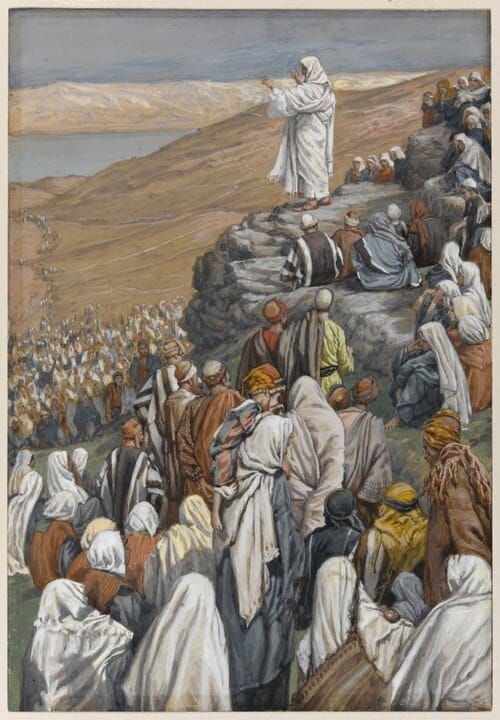
The Gospel presses the same lesson further, and with a sharper edge. Standing on the level place among the wounded and the poor, the Lord pronounces blessed those whom the world has long agreed to pity — the destitute, the hungry, the weeping, the hated. Then, with equal calm, He pronounces His woes upon the rich, the filled, the laughing, and those of whom all men speak well. He is not indulging in a reversal for its own sake, nor flattering poverty as though want were of itself a virtue. He is telling the soul where its consolation is lodged. The one who is filled has already been paid; the one who is empty is still waiting upon God, and it is the waiting that makes room for Him.
Here, then, is the question the day sets before the soul, and it is a searching one: what, at this moment, am I actually leaning upon? Not what do I profess, but what would give way beneath me if it were taken? If my peace depends upon my income remaining steady, upon my reputation remaining unbruised, upon my days remaining comfortable and my name remaining well spoken of, then my consolation has already been received, and I have quietly exchanged the Kingdom for its counterfeit. The Catechism speaks of that exchange with unusual plainness, teaching that true happiness is not found in riches or well-being, in human fame or power, or in any human achievement, but in God alone, the source of every good and of all love. And it observes, with a candour that stings, that all bow down before wealth; they measure happiness by wealth, and by wealth they measure respectability.
This is no counsel reserved for the cloister. The precept of detachment from riches is obligatory for entrance into the Kingdom of heaven — obligatory for the merchant and the mother and the labourer no less than for the monk. What is asked is not that we should own nothing, but that nothing should own us. Augustine drew the line exactly: let the proud seek and love earthly kingdoms, but blessed are the poor in spirit, for theirs is the Kingdom of heaven.
Yet poverty of heart is never a merely inward posture; it opens the hand as surely as it empties it. Chrysostom, who never softened this, insisted that not to enable the poor to share in our goods is to steal from them and deprive them of life, for the goods we possess are not ours, but theirs. The saint remembered today understood that sentence to the letter, spending some forty years in the port of Cartagena upon those whom the world had reckoned as cargo, and signing himself the slave of the enslaved forever. He grew poor not by losing what he had, but by giving it away where Christ was waiting in disguise.
The Psalm sets the promise beside the cost. The soul is bidden first to forget her people and her father's house, and only then is she told that the king desires her beauty. Nothing is taken from her that is not returned transfigured. Jesus does not speak of a distant consolation, but of a constant grace that always sustains us, especially in times of affliction. The emptiness the Beatitudes require is therefore not a wound but a widening — the making of room in a narrow heart for a love that cannot be measured, and that will not pass away.
O Lord, loosen my grip upon the things I have mistaken for my life, and teach me to seek my whole consolation in You. Where I am full, make me generous; where I am empty, fill me with Yourself alone. Let me hold this passing world gently, and hold You without reserve. Through Christ our Lord. Amen.
Sources & References
- "the world in its present form is passing away" — 1 Corinthians 7:31
- "Blessed are you who are poor, for the Kingdom of God is yours" — Luke 6:20
- "forget your people and your father's house… So shall the king desire your beauty" — Psalm 45:11-12
- "true happiness is not found in riches or well-being, in human fame or power, or in any human achievement… but in God alone, the source of every good and of all love" — Catechism of the Catholic Church, 1723
- "All bow down before wealth… They measure happiness by wealth; and by wealth they measure respectability" — quoted in Catechism of the Catholic Church, 1723
- "The precept of detachment from riches is obligatory for entrance into the Kingdom of heaven" — Catechism of the Catholic Church, 2544
- "Let the proud seek and love earthly kingdoms, but blessed are the poor in spirit for theirs is the Kingdom of heaven" — St. Augustine, De sermone Domini in monte 1, 1, 3; quoted in Catechism of the Catholic Church, 2547
- "Not to enable the poor to share in our goods is to steal from them and deprive them of life. The goods we possess are not ours, but theirs" — St. John Chrysostom, Homilies on Lazarus 2, 5; quoted in Catechism of the Catholic Church, 2446
- "Jesus does not speak of a distant consolation, but of a constant grace that always sustains us, especially in times of affliction" — Pope Leo XIV, Angelus, 1 February 2026; Vatican News, Word of the Day, 9 September 2026
- Readings — USCCB, Daily Readings for 9 September 2026
ESPAÑOL
La bendición escondida en las manos vacías
📖 Sagrada Escritura Diaria
Miércoles, 9 de septiembre de 2026 — Memoria de San Pedro Claver, presbítero
Lecturas: 1 Corintios 7, 25-31 • Salmo 44, 11-12. 14-15. 16-17 • Lucas 6, 20-26
El Apóstol escribe hoy con una urgencia singular, como quien ha vislumbrado el borde último de las cosas y ya no puede después hablar de ellas a la ligera. No condena el matrimonio, ni el comprar, ni el alegrarse; pide más bien que el alma sostenga cada una de estas cosas con la mano floja, porque este mundo que vemos es pasajero. No es que tales bienes sean falsos. Es que no son definitivos. Y toda la dificultad de la vida cristiana está justamente aquí: en aprender a amar lo que es bueno sin confundirlo con lo que es eterno.
El Evangelio lleva la misma lección más lejos y con filo más agudo. De pie en el llano, entre los heridos y los pobres, el Señor llama dichosos a aquellos de quienes el mundo ha convenido desde hace mucho en compadecerse: los indigentes, los hambrientos, los que lloran, los aborrecidos. Después, con la misma calma, pronuncia sus lamentos sobre los ricos, sobre los que se hartan, sobre los que ríen y sobre aquellos a quienes todo el mundo alaba. No se complace en una inversión por sí misma, ni halaga la pobreza como si la carencia fuese de suyo una virtud. Está diciendo al alma dónde reside su consuelo. El que está saciado ya ha sido pagado; el que está vacío sigue esperando en Dios, y es esa espera la que le hace sitio.
He aquí, pues, la pregunta que el día pone delante del alma, y es una pregunta que escudriña: ¿en qué me estoy apoyando realmente en este momento? No qué profeso, sino qué cedería bajo mis pies si me fuera quitado. Si mi paz depende de que mis ingresos permanezcan firmes, de que mi reputación quede sin magulladura, de que mis días sigan siendo cómodos y mi nombre siga siendo bien hablado, entonces mi consuelo ya ha sido recibido, y he cambiado calladamente el Reino por su falsificación. El Catecismo habla de ese trueque con una llaneza poco común, al enseñar que la verdadera dicha no reside ni en la riqueza o el bienestar, ni en la gloria humana o el poder, ni en ninguna obra humana, sino sólo en Dios, fuente de todo bien y de todo amor. Y observa, con una franqueza que escuece, que el dinero es el ídolo de nuestro tiempo, que a él rinde homenaje instintivo la multitud, y que los hombres miden la dicha según la fortuna, y según la fortuna también miden la honorabilidad.
No es este un consejo reservado al claustro. El precepto del desprendimiento de las riquezas es obligatorio para entrar en el Reino de los cielos: obligatorio para el comerciante y para la madre y para el jornalero no menos que para el monje. Lo que se pide no es que no poseamos nada, sino que nada nos posea a nosotros. Agustín trazó la línea con exactitud: el orgulloso busca el poder terreno, mientras el pobre en espíritu busca el Reino de los cielos.
Pero la pobreza de corazón nunca es una postura meramente interior; abre la mano con la misma certeza con que la vacía. Crisóstomo, que jamás suavizó esto, insistió en que no hacer participar a los pobres de los propios bienes es robarles y quitarles la vida, porque lo que poseemos no son bienes nuestros, sino los suyos. El santo que hoy se recuerda entendió esa frase al pie de la letra, gastando unos cuarenta años en el puerto de Cartagena por aquellos a quienes el mundo había contado como carga, y firmándose para siempre esclavo de los esclavos. Se hizo pobre no por perder lo que tenía, sino por darlo allí donde Cristo esperaba disfrazado.
El Salmo pone la promesa junto al precio. Al alma se le manda primero olvidar su pueblo y la casa paterna, y sólo entonces se le dice que el rey está prendado de su belleza. Nada se le quita que no le sea devuelto transfigurado. Jesús no habla de un consuelo lejano, sino de una gracia constante que siempre nos sostiene, especialmente en los tiempos de aflicción. El vacío que las bienaventuranzas reclaman no es, por tanto, una herida, sino un ensanchamiento: hacer sitio en un corazón estrecho a un amor que no puede medirse y que no pasará.
Señor, afloja mi mano sobre aquello que he confundido con mi vida, y enséñame a buscar en Ti todo mi consuelo. Donde estoy lleno, hazme generoso; donde estoy vacío, lléname sólo de Ti. Que sostenga con suavidad este mundo pasajero, y que te sostenga a Ti sin reservas. Por Jesucristo nuestro Señor. Amén.
Fuentes y referencias
- "este mundo que vemos es pasajero" — 1 Corintios 7, 31
- "Dichosos ustedes los pobres, porque de ustedes es el Reino de Dios" — Lucas 6, 20
- "olvida tu pueblo y la casa paterna; el rey está prendado de tu belleza" — Salmo 44, 11-12
- "la verdadera dicha no reside ni en la riqueza o el bienestar, ni en la gloria humana o el poder, ni en ninguna obra humana… sino sólo en Dios, fuente de todo bien y de todo amor" — Catecismo de la Iglesia Católica, 1723
- "El dinero es el ídolo de nuestro tiempo… miden la dicha según la fortuna, y, según la fortuna también, miden la honorabilidad" — citado en el Catecismo de la Iglesia Católica, 1723
- "El precepto del desprendimiento de las riquezas es obligatorio para entrar en el Reino de los cielos" — Catecismo de la Iglesia Católica, 2544
- "El orgulloso busca el poder terreno, mientras el pobre en espíritu busca el Reino de los cielos" — San Agustín, De sermone Domini in monte 1, 1, 3; citado en el Catecismo de la Iglesia Católica, 2547
- "No hacer participar a los pobres de los propios bienes es robarles y quitarles la vida… lo que poseemos no son bienes nuestros, sino los suyos" — San Juan Crisóstomo, In Lazarum, concio 2, 6; citado en el Catecismo de la Iglesia Católica, 2446
- "Jesús no habla de un consuelo lejano, sino de una gracia constante que siempre nos sostiene, especialmente en los tiempos de aflicción" — Papa León XIV, Ángelus, 1 de febrero de 2026; Vatican News, Palabra del día, 9 de septiembre de 2026
- Lecturas — USCCB, Lecturas del 9 de septiembre de 2026