
📖 Daily Scripture
Friday, July 24, 2026 — Friday of the Sixteenth Week in Ordinary Time
Readings: Jeremiah 3:14-17 • Psalm — Jeremiah 31:10, 11-12abcd, 13 • Matthew 13:18-23
There is a quiet severity in the Lord's summons through the prophet, and yet the whole of it is tenderness. "Return, rebellious children," He says, "for I am your Master; I will appoint over you shepherds after my own heart, who will shepherd you wisely and prudently." The soul that has wandered is not met with the cold arithmetic of justice but with the patient labour of a shepherd who goes out after what has strayed, gathering one from a city and two from a clan, until the scattered are made one again upon the heights of Zion. This is the God who does not so much reckon our unfaithfulness against us as He longs to undo it; and the heart, hearing itself named among the rebellious, discovers that even the naming is an act of love.
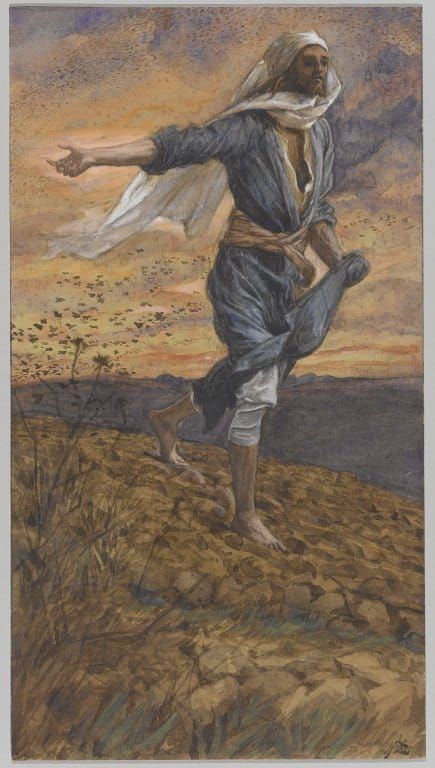
It is into such a heart that the Word is sown. In the Gospel the Lord unfolds the parable of the sower not as a lament over failure but as a searching examination of the ground we ourselves have become. The seed does not vary; the sower does not withhold; the difference lies wholly in the soil. Some hearts are trodden hard as a footpath, and the Word cannot sink beneath the surface before it is snatched away. Some are shallow and stony, receiving the Word at once with joy and yet, having no root, withering when tribulation comes. Some are choked, not by open rebellion but by the slow strangulation of worldly anxiety and the lure of riches, which permit the Word to live but never to bear. And some, at last, are the good soil that hears and understands and yields a harvest a hundred or sixty or thirtyfold.
The Church has long read this parable as a mirror held up before us, for the parables are like mirrors for man: will he be hard soil or good earth for the word? We are not merely spectators of the Lord's sowing but the very field of it; and the question the parable presses is not whether God has been generous, but whether we have been receptive. It is a sobering counsel, since among the causes by which our bond with God is forgotten there stand the cares and riches of this world — the same thorns the Lord names, which do not deny the faith outright but crowd it slowly out of the soul until nothing is left room to grow.
Here is the moral labour set before us: to become good soil is not the work of a moment but the patient breaking-up of hard ground, the clearing away of stones, the uprooting of thorns that spring again with every season. Contemplating this very parable, one of the Fathers reminds us that when the greater part of the seed was lost, it was lost not through the sower, but through the ground that received it — the fault was never in the seed nor in the hand that scattered it, but in the will that would not yield. The comfort hidden in this hard word is immense: if the barrenness is ours, then so too is the remedy within our reach, for the same soul that hardened itself may, by grace, be broken open and made soft again.
And this is the very restlessness Augustine confessed when he owned that God had made us for Himself, and our heart is restless until it rests in Him. The rebellious child and the trodden path are one; the return to the Master and the softening of the soil are one; and the harvest promised to the good ground is nothing less than the peace of a heart that has ceased to wander. The Word is still being sown, tirelessly and generously, upon every field however stony. It is enough, this day, to offer Him the small mercy of an attentive silence, and to trust that what He plants He will bring to its increase.
Lord, break up the hard ground within me, and clear away the stones and thorns that choke Your Word before it can take root. Teach me to hear with understanding and to guard what You have sown with a patient and generous heart, that in due season I may bear the fruit You desire of me. Through Christ our Lord. Amen.
Sources & References
- "Return, rebellious children… shepherds after my own heart, who will shepherd you wisely and prudently" — Jeremiah 3:14-17
- "The Lord will guard us as a shepherd guards his flock" — Responsorial Psalm, canticle of Jeremiah 31:10, 11-12abcd, 13
- "worldly anxiety and the lure of riches"; "hears the word and understands it… a hundred or sixty or thirtyfold" — Matthew 13:18-23 (Parable of the Sower)
- "the parables are like mirrors for man: will he be hard soil or good earth for the word?" — Catechism of the Catholic Church, no. 546
- "the cares and riches of this world" — Catechism of the Catholic Church, no. 29 (cf. Mt 13:22)
- "not through the sower, but through the ground that received it" — St. John Chrysostom, Homily 44 on the Gospel of Matthew
- "made us for Himself, and our heart is restless until it rests in Him" — St. Augustine, Confessions, Book I
- Papal reflection on the Word as seed ("Jesus, the 'good sower,' does not tire of sowing it generously") — Pope Francis, Angelus, 16 July 2023, as featured in Vatican News, "Word of the Day," 24 July 2026
La tierra buena de un corazón que escucha
📖 Sagrada Escritura Diaria
Viernes, 24 de julio de 2026 — Viernes de la XVI Semana del Tiempo Ordinario
Lecturas: Jeremías 3, 14-17 • Salmo — Jeremías 31, 10. 11-12ab. 13 • Mateo 13, 18-23
Hay una serena severidad en la llamada que el Señor dirige por medio del profeta, y sin embargo toda ella es ternura. "Vuélvanse a mí, hijos rebeldes", dice, "porque yo soy su dueño; les daré pastores según mi corazón, que los apacienten con sabiduría y prudencia". El alma que se ha extraviado no es recibida con la fría aritmética de la justicia, sino con el trabajo paciente de un pastor que sale en busca de lo que se ha perdido, tomando a uno de cada ciudad y a dos de cada familia, hasta que los dispersos sean de nuevo uno solo en las alturas de Sión. Este es el Dios que, más que contar contra nosotros nuestra infidelidad, anhela deshacerla; y el corazón, al oírse nombrado entre los rebeldes, descubre que aun ese nombrar es un acto de amor.
En un corazón así es sembrada la Palabra. En el Evangelio el Señor despliega la parábola del sembrador, no como un lamento por el fracaso, sino como un examen penetrante de la tierra que nosotros mismos hemos llegado a ser. La semilla no varía; el sembrador no la retiene; la diferencia está toda en el suelo. Algunos corazones están pisoteados y duros como un sendero, y la Palabra no alcanza a hundirse bajo la superficie antes de que le sea arrebatada. Otros son poco profundos y pedregosos, que reciben la Palabra en seguida con alegría y, sin embargo, por no tener raíz, se marchitan cuando llega la tribulación. Otros quedan ahogados, no por una rebeldía abierta, sino por la lenta asfixia de las preocupaciones de la vida y la seducción de las riquezas, que dejan vivir la Palabra pero nunca dar fruto. Y otros, en fin, son la tierra buena que oye y entiende y da una cosecha del ciento, del sesenta y del treinta por uno.
La Iglesia ha leído desde antiguo esta parábola como un espejo puesto ante nosotros, pues las parábolas son como un espejo para el hombre: ¿acoge la palabra como un suelo duro o como una buena tierra? No somos meros espectadores de la siembra del Señor, sino el campo mismo de ella; y la pregunta que la parábola nos apremia no es si Dios ha sido generoso, sino si nosotros hemos sido receptivos. Es un consejo que sobrecoge, ya que entre las causas por las que se olvida nuestro vínculo con Dios están los afanes del mundo y de las riquezas —los mismos espinos que el Señor nombra—, que no niegan la fe de manera abierta, sino que poco a poco la desplazan del alma hasta que no le queda sitio para crecer.
He aquí el trabajo moral que se nos propone: llegar a ser tierra buena no es obra de un instante, sino el paciente romper del suelo endurecido, el retirar las piedras, el arrancar los espinos que rebrotan en cada estación. Contemplando esta misma parábola, uno de los Padres nos recuerda que, cuando la mayor parte de la semilla se perdió, se perdió no por culpa del sembrador, sino por la tierra que la recibió; la falta nunca estuvo en la semilla ni en la mano que la esparció, sino en la voluntad que no quiso ceder. El consuelo escondido en esta dura palabra es inmenso: si la esterilidad es nuestra, también lo es el remedio que está a nuestro alcance, pues la misma alma que se endureció puede, por la gracia, ser quebrantada y ablandada de nuevo.
Y esta es la misma inquietud que Agustín confesó cuando reconoció que Dios nos hizo para sí, y nuestro corazón está inquieto hasta que descanse en Él. El hijo rebelde y el camino pisoteado son una sola cosa; el regreso al Señor y el ablandarse de la tierra son una sola cosa; y la cosecha prometida a la buena tierra no es otra cosa que la paz de un corazón que ha dejado de vagar. La Palabra sigue siendo sembrada, sin cansancio y con generosidad, sobre todo campo por pedregoso que sea. Basta, en este día, ofrecerle la pequeña misericordia de un silencio atento, y confiar en que lo que Él planta lo llevará a su crecimiento.
Señor, rompe la tierra dura que hay en mí, y aparta las piedras y los espinos que ahogan tu Palabra antes de que pueda echar raíces. Enséñame a escuchar con entendimiento y a guardar lo que has sembrado con un corazón paciente y generoso, para que a su tiempo dé el fruto que esperas de mí. Por Jesucristo nuestro Señor. Amén.
Fuentes y referencias
- "Vuélvanse a mí, hijos rebeldes… les daré pastores según mi corazón, que los apacienten con sabiduría y prudencia" — Jeremías 3, 14-17
- "El Señor es nuestro pastor" — Salmo responsorial, cántico de Jeremías 31, 10. 11-12ab. 13
- "las preocupaciones de la vida y la seducción de las riquezas… la entienden y dan fruto; unos, el ciento por uno; otros, el sesenta; y otros, el treinta" — Mateo 13, 18-23 (Parábola del sembrador)
- "las parábolas son como un espejo para el hombre: ¿acoge la palabra como un suelo duro o como una buena tierra?" — Catecismo de la Iglesia Católica, n. 546
- "los afanes del mundo y de las riquezas" — Catecismo de la Iglesia Católica, n. 29 (cf. Mt 13, 22)
- "no por culpa del sembrador, sino por la tierra que la recibió" — San Juan Crisóstomo, Homilía 44 sobre el Evangelio de san Mateo
- "nos hizo para sí, y nuestro corazón está inquieto hasta que descanse en Él" — San Agustín, Confesiones, Libro I
- Reflexión papal sobre la Palabra como semilla ("Jesús, el 'buen sembrador,' no se cansa de sembrarla con generosidad") — Papa Francisco, Ángelus, 16 de julio de 2023, según Vatican News, "Palabra del día," 24 de julio de 2026