
📖 Daily Scripture
September 7, 2026 — Monday of the Twenty-third Week in Ordinary Time
Readings: 1 Corinthians 5:1-8 • Psalm 5:5-6, 7, 12 • Luke 6:6-11
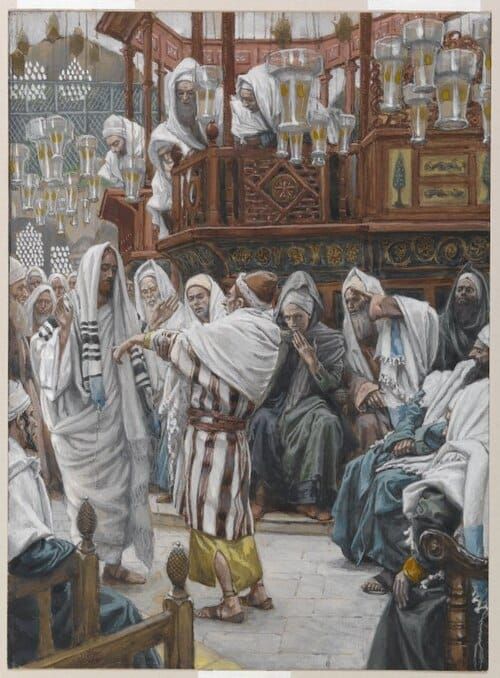
There are two kinds of watching in the synagogue that morning, and the whole of the Gospel turns upon the difference between them. The scribes and the Pharisees watched him closely, and their watching had an object: to see if he would cure on the sabbath so that they might discover a reason to accuse him. Christ also looked, and looked at them all, and his looking had an object too: to find, in a room crowded with observers, the one man who could not help himself. The same room, the same hour, the same light falling through the same lattice — and two entirely opposite uses of the human eye. The soul would do well to ask itself, before it asks anything else this morning, which of the two ways of looking it has spent its life quietly practising.
For the withered hand was not the only withered thing in that synagogue. A hand withers when it is never opened; and a heart withers by precisely the same law. Those men possessed the Law of Moses whole and entire, could recite it, could defend it, could detect its violation at forty paces — and had so long declined to use it for the purpose God gave it that the faculty of mercy had shrunk in them past recognition. It is a terrible thing to notice, and a necessary one, that religion practised without love does not remain neutral. It hardens. They came away from the healing of a cripple enraged, and discussed together what they might do to Jesus. That is what a shrivelled heart does with a miracle.
Saint Paul, writing to a church that had grown proud while a grave corruption sat undisturbed in its midst, names the same disease by another figure. Do you not know that a little yeast leavens all the dough? Sin is never static and never private; it works quietly outward through the whole lump, and the community that congratulates itself while tolerating it is not merely negligent but complicit. Clear out the old yeast, he says. And Saint John Chrysostom, preaching on this very passage, drew the lesson inward: if the Israelites cleared their houses of leaven so carefully that they pried into mouse-holes, then much more ought we to search through the soul so as to cast out every unclean thought. The examination that matters is not of the neighbour's house.
Yet the searching is not the end, only the clearing of ground. What Christ does with the sabbath is not to abolish the Law but to restore it to its purpose. The Catechism puts it with a clarity that leaves no refuge: with compassion, Christ declares the sabbath for doing good rather than harm, for saving life rather than killing; the sabbath is the day of the Lord of mercies and a day to honor God. And what appears in the healed hand is not merely a kindness but a disclosure, for Christ's compassion toward the sick and his many healings of every kind of infirmity are a resplendent sign that God has visited his people and that the Kingdom of God is close at hand. Pope Francis, reflecting on this scene, observed that for Jesus healing came before the law, even one as sacred as the sabbath rest, because the love that gives health and does good always takes priority.
Here, then, is the concrete lesson, and it is not comfortable. Wherever there is a rule invoked to withhold a good that could have been given, the old leaven is at work — in the parish, in the family, in the private accounting of the soul. Paul's remedy is the unleavened bread of sincerity and truth; and the Catechism names that virtue exactly, as consisting in showing oneself true in deeds and truthful in words, and in guarding against duplicity, dissimulation, and hypocrisy. Saint Augustine reduced the whole matter to four words that have never been improved upon: Love, and do what you will.
And observe, finally, the mercy of the command itself. Christ did not say, heal your hand. He said, stretch out your hand — asking of the man precisely the thing the man could not do, and giving the power in the asking. This is how grace has always worked. The soul is not required to arrive whole; it is required only to extend toward him what it has, withered as it is, and to trust that the healing lies not in the reach but in the One who commands it.
Lord Jesus, who looked upon the man with the withered hand and saw him whole before he was healed, look upon me now. Teach me to watch as you watch, seeking the good I can do rather than the fault I can name, and purge from within me the old leaven of malice that I have too long excused. When you command what I have no strength to perform, give me the grace to stretch out my hand and to leave the rest to your mercy. Through Christ our Lord. Amen.
Sources & References
- "watched him closely… so that they might discover a reason to accuse him" and "Stretch out your hand" — Luke 6:6-11 (Gospel of the day)
- "Do you not know that a little yeast leavens all the dough?"; "Clear out the old yeast"; "the unleavened bread of sincerity and truth" — 1 Corinthians 5:1-8 (First Reading)
- "Lead me in your justice, Lord" — Psalm 5:5-6, 7, 12 (Responsorial Psalm)
- "much more ought we to search through the soul so as to cast out every unclean thought" — St. John Chrysostom, Homilies on First Corinthians, Homily 15
- "With compassion, Christ declares the sabbath for doing good rather than harm, for saving life rather than killing. The sabbath is the day of the Lord of mercies and a day to honor God." — Catechism of the Catholic Church, 2173
- "Christ's compassion toward the sick and his many healings of every kind of infirmity are a resplendent sign that 'God has visited his people' and that the Kingdom of God is close at hand." — Catechism of the Catholic Church, 1503
- "in showing oneself true in deeds and truthful in words, and in guarding against duplicity, dissimulation, and hypocrisy" — Catechism of the Catholic Church, 2468
- "Love, and do what you will." — St. Augustine, Homilies on the First Epistle of John, Tractate 7:8
- Papal insight on healing taking priority over the sabbath law — Pope Francis, General Audience, 10 June 2015, cited in Vatican News, "Word of the Day," 7 September 2026
- Readings from the USCCB Lectionary for Mass, 7 September 2026 (Lectionary 437)
La mano extendida
📖 Sagrada Escritura Diaria
7 de septiembre de 2026 — Lunes de la XXIII semana del Tiempo ordinario
Lecturas: 1 Corintios 5, 1-8 • Salmo 5, 5-6. 7. 12 • Lucas 6, 6-11
Hay dos modos de mirar en aquella sinagoga esa mañana, y todo el Evangelio gira sobre la diferencia entre ellos. Los escribas y fariseos estaban acechando a Jesús, y su mirada tenía un fin: ver si curaba en sábado y tener así de qué acusarlo. Cristo también miró, y recorrió con la vista a todos los presentes, y su mirada tenía también un fin: hallar, en una sala repleta de observadores, al único hombre que no podía valerse a sí mismo. La misma sala, la misma hora, la misma luz entrando por la misma celosía — y dos usos enteramente opuestos del ojo humano. Bien haría el alma en preguntarse, antes que ninguna otra cosa esta mañana, cuál de los dos modos de mirar ha estado ejercitando calladamente toda su vida.
Porque la mano paralizada no era lo único paralizado en aquella sinagoga. Una mano se seca cuando nunca se abre; y un corazón se seca por la misma ley exactamente. Aquellos hombres poseían la Ley de Moisés entera, sabían recitarla, sabían defenderla, sabían detectar su quebrantamiento a cuarenta pasos — y habían rehusado durante tanto tiempo emplearla para el fin que Dios le dio, que la facultad de la misericordia se les había encogido hasta hacerse irreconocible. Es cosa terrible de advertir, y necesaria, que la religión practicada sin amor no permanece neutral. Endurece. Aquellos hombres salieron furiosos de la curación de un tullido, y discutían entre sí lo que le iban a hacer a Jesús. Eso es lo que un corazón reseco hace con un milagro.
San Pablo, escribiendo a una iglesia que se había llenado de orgullo mientras una grave corrupción permanecía intacta en su seno, nombra la misma enfermedad con otra figura. ¿No saben que un poco de levadura hace fermentar toda la masa? El pecado nunca es estático ni privado; obra silenciosamente hacia fuera por toda la masa, y la comunidad que se felicita a sí misma mientras lo tolera no es sólo negligente, sino cómplice. Tiren la antigua levadura, dice. Y san Juan Crisóstomo, predicando sobre este mismo pasaje, llevó la lección hacia dentro: si los israelitas limpiaban sus casas de levadura con tanto cuidado que escudriñaban hasta los agujeros de los ratones, mucho más debemos nosotros escudriñar el alma para arrojar de ella todo pensamiento impuro. El examen que importa no es el de la casa del prójimo.
Mas el escudriñar no es el fin, sino sólo el despejar del terreno. Lo que Cristo hace con el sábado no es abolir la Ley, sino restituirla a su propósito. El Catecismo lo expresa con una claridad que no deja refugio: con compasión, Cristo proclama que es lícito en sábado hacer el bien en vez del mal, salvar una vida en vez de destruirla; el sábado es el día del Señor de las misericordias y del honor de Dios. Y lo que aparece en la mano sanada no es sólo una bondad, sino una revelación, pues la compasión de Cristo hacia los enfermos y sus numerosas curaciones de dolientes de toda clase son un signo maravilloso de que Dios ha visitado a su pueblo y de que el Reino de Dios está muy cerca. El Papa Francisco, meditando esta escena, observó que para Jesús la curación venía antes que la ley, aun una tan sagrada como el descanso del sábado, porque el amor que da salud y hace el bien tiene siempre la prioridad.
He aquí, pues, la lección concreta, y no es cómoda. Dondequiera que se invoque una norma para negar un bien que podía haberse dado, allí obra la antigua levadura — en la parroquia, en la familia, en la contabilidad secreta del alma. El remedio de Pablo es el pan sin levadura de la sinceridad y la verdad; y el Catecismo nombra esa virtud con exactitud, como aquella que consiste en mostrarse veraz en los propios actos y en decir verdad en sus palabras, evitando la duplicidad, la simulación y la hipocresía. San Agustín redujo el asunto entero a cuatro palabras que nadie ha mejorado: Ama y haz lo que quieras.
Y adviértase, por último, la misericordia del mandato mismo. Cristo no dijo: sana tu mano. Dijo: extiende la mano — pidiendo al hombre precisamente aquello que el hombre no podía hacer, y dando el poder en el pedirlo. Así ha obrado siempre la gracia. Al alma no se le exige llegar entera; se le exige solamente tender hacia Él lo que tiene, por seco que esté, y confiar en que la curación no reside en el alcance, sino en Aquel que lo manda.
Señor Jesús, que miraste al hombre de la mano paralizada y lo viste entero antes de sanarlo, mírame ahora a mí. Enséñame a mirar como Tú miras, buscando el bien que puedo hacer antes que la falta que puedo señalar, y purga de mi interior la antigua levadura de la malicia que durante tanto tiempo he excusado. Cuando me mandes aquello que no tengo fuerza para cumplir, dame la gracia de extender mi mano y de dejar lo demás a tu misericordia. Por Jesucristo nuestro Señor. Amén.
Fuentes y referencias
- "estaban acechando a Jesús… y tener así de qué acusarlo" y "Extiende la mano" — Lucas 6, 6-11 (Evangelio del día)
- "¿No saben que un poco de levadura hace fermentar toda la masa?"; "Tiren la antigua levadura"; "el pan sin levadura, que es de sinceridad y verdad" — 1 Corintios 5, 1-8 (Primera lectura)
- "Condúceme, Señor, por tu camino santo" — Salmo 5, 5-6. 7. 12 (Salmo responsorial)
- "Mucho más debemos nosotros escudriñar el alma para arrojar de ella todo pensamiento impuro" — San Juan Crisóstomo, Homilías sobre la Primera Carta a los Corintios, Homilía 15
- "Con compasión, Cristo proclama que 'es lícito en sábado hacer el bien en vez del mal, salvar una vida en vez de destruirla'. El sábado es el día del Señor de las misericordias y del honor de Dios." — Catecismo de la Iglesia Católica, 2173
- "La compasión de Cristo hacia los enfermos y sus numerosas curaciones de dolientes de toda clase son un signo maravilloso de que 'Dios ha visitado a su pueblo' y de que el Reino de Dios está muy cerca." — Catecismo de la Iglesia Católica, 1503
- "En mostrarse veraz en los propios actos y en decir verdad en sus palabras, evitando la duplicidad, la simulación y la hipocresía." — Catecismo de la Iglesia Católica, 2468
- "Ama y haz lo que quieras." — San Agustín, Homilías sobre la Primera Carta de San Juan, Tratado 7, 8
- Enseñanza papal sobre la prioridad de la curación sobre la ley del sábado — Papa Francisco, Audiencia General, 10 de junio de 2015, citada en Vatican News, "Palabra del día", 7 de septiembre de 2026
- Lecturas tomadas del Leccionario de la USCCB (edición en español), 7 de septiembre de 2026 (Leccionario 437)