
📖 Daily Scripture
Friday, July 17, 2026 — Friday of the Fifteenth Week in Ordinary Time
Readings: Isaiah 38:1-6, 21-22, 7-8 • Isaiah 38:10, 11, 12abcd, 16 • Matthew 12:1-8
The two scenes set before the soul today seem at first unrelated — a dying king turning his face to the wall, and a company of hungry men rebuked for gathering a little grain — yet one thread runs through them both: the question of what God truly desires of the human heart. Hezekiah, told to put his house in order for he is about to die, does not answer with argument or with bargaining, but with the naked plea of one who has walked before the Lord in fidelity. And the God who reads that heart answers his tears with fifteen added years and a sign written in the very shadow of the sun.
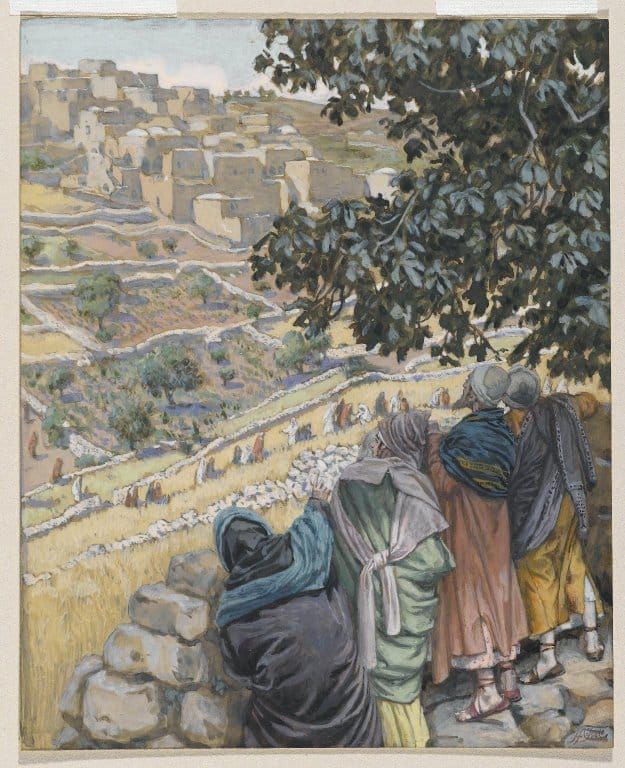
How easily the soul forgets that religion was never meant to be a transaction. The Pharisees who watched the disciples pluck the heads of grain had reduced the holy Sabbath to a ledger of permissions and prohibitions, and in guarding the letter they had lost the Lawgiver. To them Christ speaks the ancient words of the prophet, that God desires mercy, not sacrifice, and in doing so He lays bare the whole misunderstanding: that a man may keep every rule and still stand condemned, if his keeping has no mercy in it. The Church has never ceased to press this upon us, that the prophets of the Old Covenant often denounced sacrifices that were not from the heart or not coupled with love of neighbor, and that outward sacrifice, to be genuine, must be the expression of spiritual sacrifice.
Here is the lesson the soul must carry home. It is possible to be scrupulous and unkind, exact in devotion and merciless in judgment. The Pharisees condemned the innocent because their zeal had no compassion in it, and the same danger waits upon every earnest heart that begins to measure its holiness by observances rather than by love. Christ does not abolish the Sabbath, for He honors it; rather He teaches that the sabbath was made for man, not man for the sabbath, and that mercy toward the hungry, the weak, and the failing is not a departure from worship but its very soul. The one who has truly learned this will never again take up the commandments of God as weapons against a neighbor.
For what is a true sacrifice, if not a whole life given over to love? Augustine understood that every action done so as to cling to God in communion of holiness, and thus achieve blessedness, is a true sacrifice — so that mercy shown to a brother is itself an offering laid upon the altar. And Chrysostom, gazing upon this same word of the Lord, declared that mercy is a greater thing than sacrifice, and that it opens the heavens. The soul that would ascend to God must go, then, by the low road of compassion, for there is no other stair.
This is why the Church speaks of mercy as the very manner of God's dealing with us, that it expresses God's way of reaching out to the sinner, offering him a new chance to look at himself, convert, and believe. Hezekiah was granted such a chance, and wept, and lived; and we who read his story are offered the same — not to purchase God's favor with the coin of ritual, but to receive His mercy and to become, in turn, merciful. The Lord of the Sabbath is Lord also of our hearts, and He asks of us today only what He has always asked: that we love, and by loving, worship.
Lord of mercy, teach me to prize compassion above appearances, and to bring You not the empty husk of observance but a heart made tender toward my neighbor. When I am tempted to condemn, awaken Your mercy within me; and when I am afraid, let me turn my face to You, as Hezekiah did, and trust that You have heard my prayer. Make my whole life a true sacrifice of love. Through Christ our Lord. Amen.
Sources & References
- First Reading (Hezekiah's mortal illness, prayer, and healing) — Isaiah 38:1-6, 21-22, 7-8
- "You saved my life, O Lord; I shall not die." — Responsorial Psalm, Isaiah 38:10, 11, 12abcd, 16 (Lectionary 393)
- "I desire mercy, not sacrifice" and "The Son of Man is Lord of the sabbath" — Gospel, Matthew 12:1-8
- Outward sacrifice must be "the expression of spiritual sacrifice"; the prophets "denounced sacrifices that were not from the heart or not coupled with love of neighbor" — Catechism of the Catholic Church, 2100
- "the sabbath was made for man, not man for the sabbath" — Catechism of the Catholic Church, 2173
- "every action done so as to cling to God in communion of holiness, and thus achieve blessedness, is a true sacrifice" — St. Augustine, The City of God, X.6 (cited in CCC 2099)
- Mercy "is a greater thing than sacrifice… This opens the heavens." — St. John Chrysostom, Homily 50 on the Gospel of Matthew
- Mercy "expresses God's way of reaching out to the sinner, offering him a new chance to look at himself, convert, and believe." — Pope Francis, Message for Lent 2016 (quoting Misericordiae Vultus, 21). The Vatican News "Word of the Day" for 17 July 2026 was not yet published, so this related papal teaching on today's Gospel phrase was used.
El corazón que Dios desea
📖 Sagrada Escritura Diaria
Viernes 17 de julio de 2026 — Viernes de la XV semana del Tiempo ordinario
Lecturas: Isaías 38, 1-6. 21-22. 7-8 • Isaías 38, 10. 11. 12abcd. 16 • Mateo 12, 1-8
Las dos escenas que hoy se presentan al alma parecen al principio ajenas entre sí — un rey moribundo que vuelve el rostro hacia la pared, y unos hombres hambrientos reprendidos por recoger unas pocas espigas —, y sin embargo un mismo hilo las atraviesa: la pregunta de qué desea verdaderamente Dios del corazón humano. Ezequías, al oír que arregle sus asuntos porque va a morir, no responde con argumentos ni con regateos, sino con la súplica desnuda de quien ha caminado ante el Señor con fidelidad. Y el Dios que lee ese corazón responde a sus lágrimas con quince años añadidos y una señal escrita en la sombra misma del sol.
Con cuánta facilidad olvida el alma que la religión nunca quiso ser un intercambio. Los fariseos que observaban a los discípulos arrancar las espigas habían reducido el santo sábado a un libro de permisos y prohibiciones, y por guardar la letra habían perdido al Legislador. A ellos les dirige Cristo las antiguas palabras del profeta, que Dios quiere misericordia y no sacrificios, y al hacerlo pone al descubierto todo el malentendido: que un hombre puede cumplir cada precepto y quedar, sin embargo, condenado, si en su cumplimiento no hay misericordia. La Iglesia no ha dejado de insistir en ello, recordando que los profetas de la Antigua Alianza denunciaron con frecuencia los sacrificios hechos sin participación interior o sin relación con el amor al prójimo, y que el sacrificio exterior, para ser auténtico, debe ser expresión del sacrificio espiritual.
He aquí la lección que el alma ha de llevar consigo. Es posible ser escrupuloso y duro, exacto en la devoción e implacable en el juicio. Los fariseos condenaron a los inocentes porque su celo carecía de compasión, y el mismo peligro acecha a todo corazón fervoroso que empieza a medir su santidad por las observancias y no por el amor. Cristo no abole el sábado, pues lo honra; más bien enseña que el sábado ha sido instituido para el hombre y no el hombre para el sábado, y que la misericordia hacia el hambriento, el débil y el que desfallece no es un abandono del culto, sino su alma misma. Quien de veras ha aprendido esto no volverá jamás a tomar los mandamientos de Dios como armas contra su prójimo.
Pues ¿qué es un verdadero sacrificio, sino una vida entera entregada al amor? San Agustín comprendió que verdadero sacrificio es toda obra que se hace con el fin de unirnos a Dios en santa compañía, para que podamos ser verdaderamente felices — de modo que la misericordia mostrada a un hermano es ya una ofrenda depositada sobre el altar. Y San Juan Crisóstomo, contemplando esta misma palabra del Señor, declaró que la misericordia es algo mayor que el sacrificio, y que ella abre los cielos. El alma que quiera ascender hasta Dios ha de ir, entonces, por el camino humilde de la compasión, porque no hay otra escalera.
Por eso la Iglesia habla de la misericordia como del modo mismo en que Dios obra con nosotros, pues ella expresa el comportamiento de Dios hacia el pecador, ofreciéndole una ulterior posibilidad para examinarse, convertirse y creer. A Ezequías se le concedió tal oportunidad, y lloró, y vivió; y a quienes leemos su historia se nos ofrece lo mismo — no comprar el favor de Dios con la moneda del rito, sino recibir su misericordia y volvernos, a nuestra vez, misericordiosos. El Señor del sábado es también Señor de nuestros corazones, y hoy nos pide solo lo que siempre ha pedido: que amemos y que, amando, demos culto.
Señor de misericordia, enséñame a estimar la compasión por encima de las apariencias, y a traerte no la cáscara vacía de la observancia, sino un corazón hecho tierno hacia mi prójimo. Cuando me sienta tentado a condenar, despierta en mí tu misericordia; y cuando tenga miedo, deja que vuelva mi rostro hacia ti, como Ezequías, confiando en que has escuchado mi oración. Haz de toda mi vida un verdadero sacrificio de amor. Por Jesucristo nuestro Señor. Amén.
Fuentes y referencias
- Primera lectura (la enfermedad mortal de Ezequías, su oración y su curación) — Isaías 38, 1-6. 21-22. 7-8
- "Sálvame, Señor, y viviré." — Salmo Responsorial, Isaías 38, 10. 11. 12abcd. 16 (Lectionary 393)
- "Misericordia quiero y no sacrificios" y "el Hijo del hombre también es dueño del sábado" — Evangelio, Mateo 12, 1-8
- El sacrificio exterior "debe ser expresión del sacrificio espiritual"; los profetas "denunciaron con frecuencia los sacrificios hechos sin participación interior o sin relación con el amor al prójimo" — Catecismo de la Iglesia Católica, 2100
- "el sábado ha sido instituido para el hombre y no el hombre para el sábado" — Catecismo de la Iglesia Católica, 2173
- "verdadero sacrificio es toda obra que se hace con el fin de unirnos a Dios en santa compañía… merced al cual podemos ser verdaderamente felices" — San Agustín, La Ciudad de Dios, X.6 (citado en CIC 2099)
- La misericordia "es algo mayor que el sacrificio… abre los cielos." — San Juan Crisóstomo, Homilía 50 sobre el Evangelio de San Mateo
- La misericordia "expresa el comportamiento de Dios hacia el pecador, ofreciéndole una ulterior posibilidad para examinarse, convertirse y creer." — Papa Francisco, Mensaje para la Cuaresma 2016 (citando Misericordiae vultus, 21). La "Palabra del día" de Vatican News para el 17 de julio de 2026 aún no estaba publicada, por lo que se usó esta enseñanza papal ligada a la frase evangélica de hoy.