
📖 Daily Scripture
July 5, 2026 — Fourteenth Sunday in Ordinary Time
Readings: Zechariah 9:9-10 • Psalm 145:1-2, 8-9, 10-11, 13-14 • Romans 8:9, 11-13 • Matthew 11:25-30
The prophet Zechariah sets before the soul a strange triumph: a king who enters his city not upon a war-horse but upon a colt, "meek," a "just savior," whose victory is measured not by what he conquers but by what he abolishes — the chariot, the horse, the warrior's bow. The kingdoms of this world advance by force and are maintained by fear; the Kingdom of God advances by lowliness, and its peace is proclaimed "to the nations," from sea to sea. The soul that would belong to such a King must first unlearn its instinctive admiration for power.
In the Gospel this King appears in person, and His first word is thanksgiving: "I give praise to you, Father, Lord of heaven and earth, for although you have hidden these things from the wise and the learned you have revealed them to little ones." What the wise and the learned cannot seize by effort, the little ones receive as a gift. The knowledge of God is not a prize awarded to cleverness; it is a confidence entrusted to humility. The Catechism says of this that "the kingdom belongs to the poor and lowly, which means those who have accepted it with humble hearts," and again that "humility is the foundation of prayer," for "man is a beggar before God." The soul that kneels lowest drinks deepest.
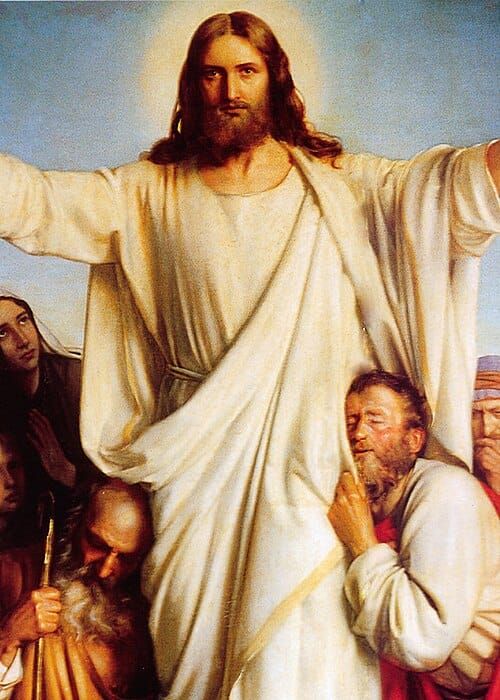
Then comes the invitation which the weary of every age have heard as if addressed to themselves alone: "Come to me, all you who labor and are burdened, and I will give you rest." It is not the idle whom He calls, but the laboring; and the weariness He would relieve is deeper than any fatigue of the body. It is the weariness of a soul that has carried itself too long — that has made itself its own master, its own judge, its own providence. Here is the concrete lesson of this Sunday: the heaviest yoke the soul bears is the one it forges for itself. Pride, anxious self-reliance, the secret demand to be sufficient unto oneself, the need to appear wise before others — this is much of what the Apostle means by living "according to the flesh," and its wage is a slow interior death. "But if by the Spirit you put to death the deeds of the body, you will live." That putting to death is not accomplished in a single heroic act but in small daily surrenders: yielding the last word, accepting the hidden duty without applause, asking for help where one is accustomed to seize, letting God be God in matters one cannot control.
Nor does Christ merely command this humility; He exhibits it. "The Word became flesh to be our model of holiness," and the model is precise: "learn from me, for I am meek and humble of heart." St. Augustine marveled at what exactly the Lord bids the soul learn of Him — not to frame a world, not to create things visible and invisible, not to work wonders and raise the dead, but "that I am meek and lowly in heart." The lesson is within reach of the smallest, which is precisely why it is hidden from the proud. Pope Benedict XVI, meditating on this very Gospel, taught that "taking the Lord's yoke upon us means first of all: learning from him," always being ready to go to His school, learning from Him "gentleness and meekness: the humility of God who shows himself in his being a man"; and he added that the more the soul loves Him, "the lighter becomes his seemingly burdensome yoke."
And the same Augustine confessed the end of the whole matter: "You have made us for yourself, and our heart is restless until it rests in you." The rest Christ promises is not idleness but a changed carriage of the soul — duty carried with Him, and therefore carried lightly. The Psalm gathers it all into one line of hope: "The LORD lifts up all who are falling and raises up all who are bowed down." He is gracious and merciful, slow to anger and of great kindness; and to the soul that comes to Him little, laboring, and bowed down, He gives what no achievement has ever given it — rest.
Father, Lord of heaven and earth, You have hidden Your mysteries from the wise and revealed them to little ones; make me little enough to receive them. Take from my shoulders the yoke I have forged for myself, and teach me to carry the gentle yoke of Your Son, until my restless heart learns to rest in You. Through Christ our Lord. Amen.
Sources & References
- "Rejoice heartily, O daughter Zion… meek, and riding on an ass" — Zechariah 9:9-10 (First Reading, USCCB Lectionary)
- "The LORD lifts up all who are falling and raises up all who are bowed down"; "gracious and merciful, slow to anger and of great kindness" — Psalm 145:8, 14 (Responsorial Psalm)
- "if by the Spirit you put to death the deeds of the body, you will live" — Romans 8:13 (Second Reading)
- "I give praise to you, Father…"; "Come to me, all you who labor and are burdened…"; "learn from me, for I am meek and humble of heart" — Matthew 11:25-30 (Gospel)
- "The Word became flesh to be our model of holiness" — Catechism of the Catholic Church, 459
- "The kingdom belongs to the poor and lowly, which means those who have accepted it with humble hearts" — Catechism of the Catholic Church, 544
- "Humility is the foundation of prayer"; "man is a beggar before God" — Catechism of the Catholic Church, 2559
- "that I am meek and lowly in heart" (on what Christ bids us learn of Him) — St. Augustine, Sermon 69 on the New Testament (on Matthew 11:28-29)
- "You have made us for yourself, and our heart is restless until it rests in you" — St. Augustine, Confessions I, 1
- "Taking the Lord's yoke upon us means first of all: learning from him… the humility of God who shows himself in his being a man" — Pope Benedict XVI, Homily, 5 April 2007 (via Vatican News, Word of the Day, 5 July 2026)
El Rey manso y el descanso del alma
📖 Sagrada Escritura Diaria
5 de julio de 2026 — XIV Domingo Ordinario
Lecturas: Zacarías 9, 9-10 • Salmo 144, 1-2. 8-9. 10-11. 13cd-14 • Romanos 8, 9. 11-13 • Mateo 11, 25-30
El profeta Zacarías pone ante el alma un triunfo extraño: un rey que entra en su ciudad no sobre un caballo de guerra sino "humilde y montado en un burrito", un rey "justo y victorioso" cuya victoria no se mide por lo que conquista sino por lo que suprime: los carros de guerra, los caballos de combate, el arco del guerrero. Los reinos de este mundo avanzan por la fuerza y se sostienen por el temor; el Reino de Dios avanza por la humildad, y su paz se anuncia "a las naciones", de mar a mar. El alma que quiera pertenecer a semejante Rey debe primero desaprender su admiración instintiva por el poder.
En el Evangelio este Rey aparece en persona, y su primera palabra es acción de gracias: "¡Te doy gracias, Padre, Señor del cielo y de la tierra, porque has escondido estas cosas a los sabios y entendidos, y las has revelado a la gente sencilla!" Lo que los sabios y entendidos no pueden arrebatar con su esfuerzo, la gente sencilla lo recibe como don. El conocimiento de Dios no es un premio otorgado a la inteligencia; es una confianza entregada a la humildad. El Catecismo enseña que "el Reino pertenece a los pobres y a los pequeños, es decir, a los que lo acogen con un corazón humilde", y también que "la humildad es la base de la oración", pues "el hombre es un mendigo de Dios". El alma que más bajo se arrodilla es la que más hondo bebe.
Viene entonces la invitación que los fatigados de todos los tiempos han oído como dirigida a ellos solos: "Vengan a mí, todos los que están fatigados y agobiados por la carga y yo les daré alivio". No llama a los ociosos, sino a los que trabajan; y el cansancio que Él quiere aliviar es más hondo que cualquier fatiga del cuerpo. Es el cansancio de un alma que se ha cargado a sí misma demasiado tiempo: que se ha hecho su propio amo, su propio juez, su propia providencia. He aquí la lección concreta de este domingo: el yugo más pesado que lleva el alma es el que ella misma se forja. La soberbia, la ansiosa autosuficiencia, la exigencia secreta de bastarse a sí misma, la necesidad de parecer sabia ante los demás: esto es mucho de lo que el Apóstol llama vivir conforme al desorden egoísta del hombre, y su salario es una lenta muerte interior. Pero "si con la ayuda del Espíritu destruyen sus malas acciones, entonces vivirán". Esa muerte del egoísmo no se cumple en un solo acto heroico, sino en pequeñas entregas diarias: ceder la última palabra, aceptar el deber escondido sin aplauso, pedir ayuda donde uno acostumbra imponerse, dejar que Dios sea Dios en lo que no se puede controlar.
Y Cristo no se limita a mandar esta humildad; la exhibe. "El Verbo se encarnó para ser nuestro modelo de santidad", y el modelo es preciso: "aprendan de mí, que soy manso y humilde de corazón". San Agustín se maravillaba de qué es exactamente lo que el Señor manda al alma aprender de Él: no a formar un mundo, no a crear las cosas visibles e invisibles, no a obrar prodigios y resucitar muertos, sino "que soy manso y humilde de corazón". La lección está al alcance de los más pequeños, y precisamente por eso queda escondida a los soberbios. El Papa Benedicto XVI, meditando este mismo Evangelio, enseñó que tomar sobre nosotros el yugo del Señor significa ante todo aprender de Él, estar siempre dispuestos a ir a su escuela, aprender de Él "la mansedumbre y la humildad: la humildad de Dios que se muestra en su ser hombre"; y añadió que cuanto más lo ama el alma, tanto más ligero se vuelve su yugo aparentemente pesado.
Y el mismo Agustín confesó el término de todo el asunto: "Nos hiciste, Señor, para ti, y nuestro corazón está inquieto hasta que descanse en ti". El descanso que Cristo promete no es ociosidad, sino un modo nuevo de llevar el alma: el deber cargado con Él y, por eso, llevado con ligereza. El Salmo lo recoge todo en una línea de esperanza: "Da su apoyo el Señor al que tropieza y al agobiado alivia". Él es compasivo y misericordioso, lento para enojarse y generoso para perdonar; y al alma que viene a Él pequeña, fatigada y agobiada, le da lo que ningún logro le ha dado jamás: descanso.
Padre, Señor del cielo y de la tierra, has escondido tus misterios a los sabios y los has revelado a la gente sencilla; hazme lo bastante pequeño para recibirlos. Quita de mis hombros el yugo que yo mismo me he forjado, y enséñame a llevar el yugo suave de tu Hijo, hasta que mi corazón inquieto aprenda a descansar en ti. Por Jesucristo nuestro Señor. Amén.
Fuentes y referencias
- "Mira a tu rey que viene a ti… humilde y montado en un burrito" — Zacarías 9, 9-10 (Primera lectura, USCCB en español, Leccionario mexicano)
- "Da su apoyo el Señor al que tropieza y al agobiado alivia"; "compasivo y misericordioso, lento para enojarse y generoso para perdonar" — Salmo 144 (145), 8. 14 (Salmo responsorial)
- "Si con la ayuda del Espíritu destruyen sus malas acciones, entonces vivirán" — Romanos 8, 13 (Segunda lectura)
- "Te doy gracias, Padre…"; "Vengan a mí, todos los que están fatigados y agobiados…"; "aprendan de mí, que soy manso y humilde de corazón" — Mateo 11, 25-30 (Evangelio)
- "El Verbo se encarnó para ser nuestro modelo de santidad" — Catecismo de la Iglesia Católica, 459
- "El Reino pertenece a los pobres y a los pequeños, es decir, a los que lo acogen con un corazón humilde" — Catecismo de la Iglesia Católica, 544
- "La humildad es la base de la oración"; "el hombre es un mendigo de Dios" — Catecismo de la Iglesia Católica, 2559
- "que soy manso y humilde de corazón" (sobre lo que Cristo manda aprender de Él) — San Agustín, Sermón 69 (sobre Mateo 11, 28-29)
- "Nos hiciste, Señor, para ti, y nuestro corazón está inquieto hasta que descanse en ti" — San Agustín, Confesiones I, 1
- "La humildad de Dios que se muestra en su ser hombre" — Papa Benedicto XVI, Homilía, 5 de abril de 2007 (vía Vatican News, Palabra del día, 5 de julio de 2026)