
📖 Daily Scripture
Thursday, August 13, 2026 — Thursday of the Nineteenth Week in Ordinary Time (Optional Memorial of Saints Pontian, Pope, and Hippolytus, Priest, Martyrs)
Readings: Ezekiel 12:1-12 • Psalm 78:56-57, 58-59, 61-62 • Matthew 18:21–19:1
There is a strange tenderness in the way God deals with a rebellious house. He does not abandon it to its blindness; He sends a prophet to act out, before its unseeing eyes, the very exile it refuses to imagine. Ezekiel digs through the wall at evening, his baggage upon his shoulder and his face covered, a living sign to a people who "have eyes to see but do not see, and ears to hear but do not hear." The soul that reads this page honestly will not look first at ancient Jerusalem; it will look at itself. For every soul carries some quarter in which it has grown rebellious, some truth it has quietly resolved not to see; and the mercy of God is shown precisely in this, that He goes on making signs before us long after we have ceased attending to them.
The Psalmist names the root of such blindness, and it is not malice first, but forgetfulness. "Do not forget the works of the Lord!" Israel fell away, the psalm recounts, by ceasing to remember what God had done for it, recoiling "like a treacherous bow"; and the soul that forgets the mercy it has received will soon enough refuse the mercy it owes. This is the hinge upon which the Gospel of this day turns.
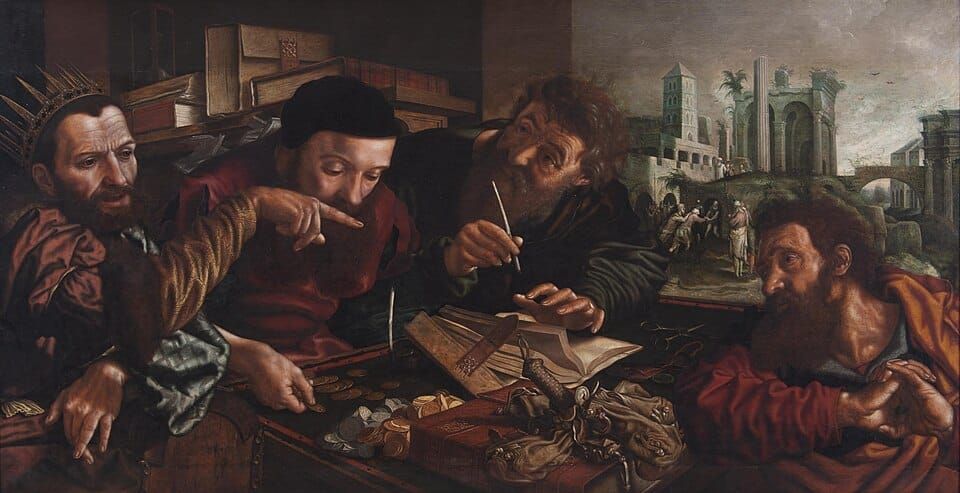
Peter believed himself generous when he asked, "As many as seven times?" — and the Lord's answer, "not seven times but seventy-seven times," does not so much enlarge the number as abolish the arithmetic altogether. Then follows the parable: a servant forgiven a debt so vast that no lifetime of labor could discharge it, who goes out from that unmeasured pardon and seizes his fellow servant by the throat over a handful of coins. The parable, rightly read, is not about two debts; it is about one memory. Within the hour the servant had forgotten what had been done for him. He carried the king's mercy out of the palace and lost it at the first door.
Here the moral lesson presses itself upon the conscience. The Catechism states it without softening: "this outpouring of mercy cannot penetrate our hearts as long as we have not forgiven those who have trespassed against us." The unforgiving heart is not so much punished from without as sealed from within; by its hardness it makes itself impervious to the very pardon by which it lives. And St. John Chrysostom draws out the other side of the same truth: "nothing makes us so like God, as being ready to forgive the wicked and wrong-doers." Forgiveness is not weakness in the soul, but the nearest likeness to its Maker that the soul can wear.
Nor does the Lord command what is impossible and then leave the soul to its own strength. "It is not in our power not to feel or to forget an offense," the Catechism concedes, "but the heart that offers itself to the Holy Spirit turns injury into compassion and purifies the memory in transforming the hurt into intercession." The wound need not be denied; it must be surrendered. What grace asks is not that the soul pretend it was never struck, but that it carry the blow to God until the memory itself is made clean. St. Cyprian, meditating on this very parable, gives the warning its final gravity: the servant, "because he would not forgive his fellow-servant, lost the indulgence that had been shown to himself by his lord."
Pope Francis, teaching on this same Gospel, said that "forgiveness is the oxygen that purifies the air of hatred." The soul that refuses to forgive is holding its breath in the house of God. But the soul that forgives — slowly, imperfectly, seventy times over — breathes; it remembers the works of the Lord; it finds that the debt canceled within it has become a spring of compassion flowing out of it. For "there is no limit or measure to this essentially divine forgiveness," and the God who forgives without measure will not fail the soul that asks for the strength to do likewise. In that strength lies its peace, and in that peace, the quiet certainty of being loved.
Lord, You have canceled within me a debt I could never have paid; teach me to remember it. When the old wound stirs, let Your Spirit turn the injury into compassion and the memory into intercession, that I may forgive from the heart as I have been forgiven. Keep my eyes open to Your signs and my heart soft toward Your mercy. Through Christ our Lord. Amen.
Sources & References
- "Have eyes to see but do not see" — Ezekiel 12:2 (First Reading, Lectionary 416, USCCB)
- "Do not forget the works of the Lord!" / "like a treacherous bow" — Psalm 78:7b, 57 (Responsorial Psalm)
- "As many as seven times?" / "not seven times but seventy-seven times" and the parable of the unforgiving servant — Matthew 18:21–19:1 (Gospel)
- "This outpouring of mercy cannot penetrate our hearts as long as we have not forgiven those who have trespassed against us" — Catechism of the Catholic Church, 2840
- "It is not in our power not to feel or to forget an offense; but the heart that offers itself to the Holy Spirit turns injury into compassion and purifies the memory in transforming the hurt into intercession" — Catechism of the Catholic Church, 2843
- "There is no limit or measure to this essentially divine forgiveness" — Catechism of the Catholic Church, 2845
- "Nothing makes us so like God, as being ready to forgive the wicked and wrong-doers" — St. John Chrysostom, Homily 19 on the Gospel of Matthew
- "Because he would not forgive his fellow-servant, he lost the indulgence that had been shown to himself by his lord" — St. Cyprian of Carthage, On the Lord's Prayer, 23
- "Forgiveness is the oxygen that purifies the air of hatred" — Pope Francis, Angelus, 17 September 2023 (on Matthew 18:21-35)
- Daily readings: USCCB, bible.usccb.org, August 13, 2026
La memoria de la misericordia: perdonar de corazón
📖 Sagrada Escritura Diaria
Jueves 13 de agosto de 2026 — Jueves de la XIX semana del Tiempo ordinario (Memoria opcional de San Ponciano, Papa, y San Hipólito, presbítero, mártires)
Lecturas: Ezequiel 12, 1-12 • Salmo 77, 56-57. 58-59. 61-62 • Mateo 18, 21–19, 1
Hay una extraña ternura en el modo en que Dios trata a un pueblo rebelde. No lo abandona a su ceguera; le envía un profeta para que represente, ante sus ojos que no ven, el destierro mismo que se niega a imaginar. Ezequiel perfora la pared al atardecer, con sus cosas al hombro y el rostro cubierto, señal viviente para un pueblo que "tiene ojos para ver y no ve, oídos para oír y no oye". El alma que lee esta página con sinceridad no mirará primero a la antigua Jerusalén; se mirará a sí misma. Porque toda alma guarda algún rincón donde se ha vuelto rebelde, alguna verdad que calladamente ha resuelto no ver; y la misericordia de Dios se muestra precisamente en esto: en que sigue poniendo señales ante nosotros mucho después de que hemos dejado de atenderlas.
El salmista nombra la raíz de semejante ceguera, y no es primero la malicia, sino el olvido. El salmo de hoy, que clama "Perdona a tu pueblo, Señor", recuerda cómo Israel cayó por dejar de recordar las obras que Dios había hecho por él, fallando "como un arco mal hecho"; y el alma que olvida la misericordia recibida muy pronto negará la misericordia que debe. Sobre este quicio gira el Evangelio de este día.
Pedro se creía generoso cuando preguntó: "¿Hasta siete veces?" — y la respuesta del Señor, "no sólo hasta siete, sino hasta setenta veces siete", no agranda tanto el número cuanto suprime del todo la aritmética. Sigue la parábola: un siervo a quien se le perdona una deuda tan inmensa que ninguna vida de trabajo podría saldarla, y que sale de aquel perdón sin medida para agarrar por el cuello a su compañero por unas pocas monedas. La parábola, bien leída, no trata de dos deudas; trata de una sola memoria. En menos de una hora el siervo había olvidado lo que se había hecho por él. Sacó del palacio la misericordia del rey y la perdió en la primera puerta.
Aquí la lección moral se impone a la conciencia. El Catecismo lo afirma sin suavizarlo: "este desbordamiento de misericordia no puede penetrar en nuestro corazón mientras no hayamos perdonado a los que nos han ofendido". El corazón que no perdona no es tanto castigado desde fuera cuanto sellado desde dentro; por su dureza se hace impermeable al perdón mismo del que vive. Y san Juan Crisóstomo muestra la otra cara de la misma verdad: "nada nos hace tan semejantes a Dios como estar dispuestos a perdonar a los malvados y a quienes nos ofenden". El perdón no es debilidad del alma, sino la semejanza más cercana a su Creador que el alma puede vestir.
Tampoco manda el Señor lo imposible para luego dejar al alma sola con sus fuerzas. "No está en nuestra mano no sentir ya la ofensa y olvidarla", concede el Catecismo, "pero el corazón que se ofrece al Espíritu Santo cambia la herida en compasión y purifica la memoria transformando la ofensa en intercesión". La herida no ha de negarse; ha de entregarse. Lo que la gracia pide no es que el alma finja no haber sido golpeada, sino que lleve el golpe a Dios hasta que la memoria misma quede limpia. San Cipriano, meditando esta misma parábola, da al aviso su gravedad final: el siervo, "porque no quiso perdonar a su compañero, perdió la gracia que su señor le había concedido".
El Papa Francisco, enseñando sobre este mismo Evangelio, dijo que "el perdón es el oxígeno que purifica el aire contaminado por el odio". El alma que se niega a perdonar contiene la respiración en la casa de Dios. Pero el alma que perdona — despacio, imperfectamente, setenta veces siete — respira; recuerda las obras del Señor; descubre que la deuda cancelada dentro de ella se ha vuelto manantial de compasión que brota hacia fuera. Porque "no hay límite ni medida en este perdón, esencialmente divino", y el Dios que perdona sin medida no faltará al alma que le pide fuerza para hacer lo mismo. En esa fuerza está su paz, y en esa paz, la serena certeza de ser amada.
Señor, has cancelado en mí una deuda que jamás habría podido pagar; enséñame a recordarla. Cuando la vieja herida despierte, que tu Espíritu cambie la ofensa en compasión y la memoria en intercesión, para que perdone de corazón como he sido perdonado. Mantén mis ojos abiertos a tus señales y mi corazón dócil a tu misericordia. Por Jesucristo nuestro Señor. Amén.
Fuentes y referencias
- "Tienen ojos para ver y no ven, oídos para oír y no oyen" — Ezequiel 12, 2 (Primera lectura, Leccionario 416, USCCB en español)
- "Perdona a tu pueblo, Señor" / "como un arco mal hecho" — Salmo 77, 56-57. 58-59. 61-62 (Salmo responsorial, Leccionario de México)
- "¿Hasta siete veces?" / "No sólo hasta siete, sino hasta setenta veces siete" y la parábola del siervo sin entrañas — Mateo 18, 21–19, 1 (Evangelio)
- "Este desbordamiento de misericordia no puede penetrar en nuestro corazón mientras no hayamos perdonado a los que nos han ofendido" — Catecismo de la Iglesia Católica, 2840
- "No está en nuestra mano no sentir ya la ofensa y olvidarla; pero el corazón que se ofrece al Espíritu Santo cambia la herida en compasión y purifica la memoria transformando la ofensa en intercesión" — Catecismo de la Iglesia Católica, 2843
- "No hay límite ni medida en este perdón, esencialmente divino" — Catecismo de la Iglesia Católica, 2845
- "Nada nos hace tan semejantes a Dios como estar dispuestos a perdonar a los malvados y a quienes nos ofenden" — San Juan Crisóstomo, Homilía 19 sobre el Evangelio de San Mateo (traducción del texto inglés estándar)
- "Porque no quiso perdonar a su compañero, perdió la gracia que su señor le había concedido" — San Cipriano de Cartago, Sobre la oración del Señor, 23 (traducción del texto inglés estándar)
- "El perdón es el oxígeno que purifica el aire contaminado por el odio" — Papa Francisco, Ángelus, 17 de septiembre de 2023 (sobre Mt 18, 21-35)
- Lecturas diarias: USCCB, bible.usccb.org/es, 13 de agosto de 2026