
📖 Daily Scripture
Sunday, November 1, 2026 — Solemnity of All Saints
Readings: Revelation 7:2-4, 9-14 • Psalm 24:1bc-2, 3-4ab, 5-6 • 1 John 3:1-3 • Matthew 5:1-12a
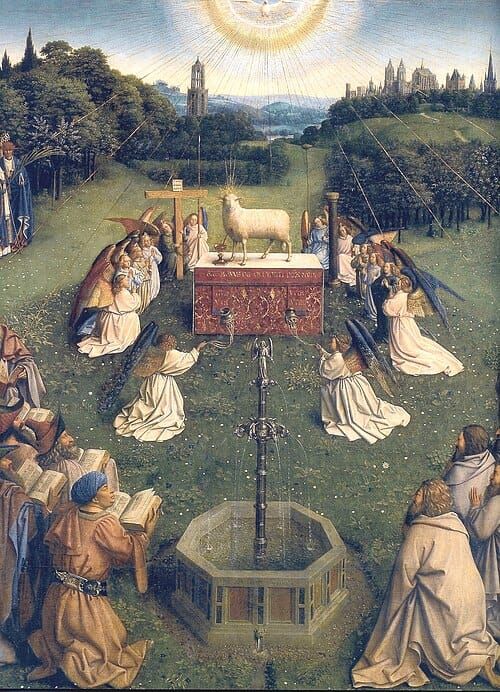
Upon this feast the Church lifts the eyes of the soul from the narrow circle of its own concerns and sets before it the vision granted to St. John: "a great multitude" gathered from every nation, race, people, and tongue, so numerous that he could not count them, standing before the throne and before the Lamb. It is a vision at once consoling and searching. It consoles, because it tells the soul that holiness is not the rare privilege of a few remote and extraordinary figures whose names are written in the calendar, but the inheritance of a vast company, most of whom were known in their lifetime only to their households and to God. It searches, because the elder's answer to the question of who these are admits of no evasion: they are those who have come through the great distress, who "have washed their robes and made them white in the Blood of the Lamb."
Here lies the lesson which this solemnity presses upon the conscience. The saints are not a different kind of being from ourselves; they are what grace makes of ordinary men and women who consent to be washed. The Church says it plainly: "All Christians in any state or walk of life are called to the fullness of Christian life and to the perfection of charity." The soul is apt to excuse itself from this call by a false humility, supposing sanctity to be a thing for others, for cloisters and martyrs and the canonized, while it contents itself with a respectable mediocrity. But the multitude before the throne rebukes such modesty, for it is made up precisely of those who once stood where the soul now stands, and who did not think themselves too small for the designs of God.
The Psalmist asks the question which every heart must sooner or later put to itself: "Who can ascend the mountain of the LORD?" And he answers without ornament: "One whose hands are sinless, whose heart is clean." It is no accident that our Lord, seated upon another mountain, speaks the same word: "Blessed are the clean of heart, for they will see God." The Beatitudes are not pious sentiments to be admired from a distance; they are the portrait of the road by which the saints went up. The Holy Father, preaching upon this feast, observed that "the Beatitudes, however, are not just another teaching; they are the teaching par excellence." St. Augustine, pondering the same sermon long ago, judged that whoever meditates upon it with devotion "will doubtless find there . . . the perfect way of the Christian life."
And so the Catechism draws the moral consequence with sober directness: "The beatitude we are promised confronts us with decisive moral choices. It invites us to purify our hearts of bad instincts and to seek the love of God above all else." The concrete lesson is this. Purity of heart is not won in a single act of fervour but in a long fidelity: in the refusal of a resentment cherished in secret, in the surrender of an ambition that would make the self its own centre, in the meekness that bears an injury without returning it, in the mercy that forgives before it is asked. These small renunciations, repeated day upon day, are the washing of the robe. St. John gives the same counsel in his letter: "Everyone who has this hope based on him makes himself pure, as he is pure." Hope is not idle; it labours. The soul that truly expects to see God begins even now to prepare its eyes.
Nor does the soul make this ascent alone. "See what love the Father has bestowed on us that we may be called the children of God." The saints are the elder members of that one household, and they do not forget those who are still upon the road. St. Cyprian, writing amid plague and persecution, could say with serene confidence, "We regard paradise as our country," and add that there "a great number of our dear ones is awaiting us," "already assured of their own safety, and still solicitous for our salvation." The communion of saints is not a doctrine merely to be assented to; it is a company to be leaned upon. In them, as the Holy Father said, "we see this kingdom approaching and becoming present among us."
Let the soul, then, take heart. "The way of perfection passes by way of the Cross," but it ends in a vision: "we shall be like him, for we shall see him as he is." That promise is not reserved for the few. It is held out to every heart willing to be made clean, and it rests not upon our strength but upon the love of the Father, who has already called us His children, and who desires nothing so much as to number us among that multitude which no one could count.
Heavenly Father, who have called me Your child, wash my soul in the Blood of the Lamb and make my heart clean, that I may one day see You as You are. Teach me the hidden road of the Beatitudes, and kindle within me a hope that purifies, a meekness that does not grow weary, and a mercy that forgives. Through Christ our Lord. Amen.
Sources & References
- "a great multitude" — Revelation 7:9
- "have washed their robes and made them white in the Blood of the Lamb" — Revelation 7:14
- "All Christians in any state or walk of life are called to the fullness of Christian life and to the perfection of charity" — Catechism of the Catholic Church, 2013
- "Who can ascend the mountain of the LORD?" / "One whose hands are sinless, whose heart is clean" — Psalm 24:3-4
- "Blessed are the clean of heart, for they will see God" — Matthew 5:8
- "the Beatitudes, however, are not just another teaching; they are the teaching par excellence" and "we see this kingdom approaching and becoming present among us" — Pope Leo XIV, Homily for the Solemnity of All Saints, November 1, 2025 (Vatican News, Word of the Day, November 1, 2026)
- "will doubtless find there . . . the perfect way of the Christian life" — St. Augustine, On the Sermon on the Mount 1.1.1, as quoted in Catechism of the Catholic Church, 1966
- "The beatitude we are promised confronts us with decisive moral choices. It invites us to purify our hearts of bad instincts and to seek the love of God above all else" — Catechism of the Catholic Church, 1723
- "Everyone who has this hope based on him makes himself pure, as he is pure" — 1 John 3:3
- "See what love the Father has bestowed on us that we may be called the children of God" — 1 John 3:1
- "We regard paradise as our country"; "a great number of our dear ones is awaiting us"; "already assured of their own safety, and still solicitous for our salvation" — St. Cyprian of Carthage, On the Mortality, 26 (Ante-Nicene Fathers, vol. 5)
- "The way of perfection passes by way of the Cross" — Catechism of the Catholic Church, 2015
- "we shall be like him, for we shall see him as he is" — 1 John 3:2
- Scripture quotations from the Lectionary for Mass (USCCB), Solemnity of All Saints
La muchedumbre que nadie podía contar
📖 Sagrada Escritura Diaria
Domingo, 1 de noviembre de 2026 — Solemnidad de Todos los Santos
Lecturas: Apocalipsis 7, 2-4. 9-14 • Salmo 23, 1-2. 3-4ab. 5-6 • 1 Juan 3, 1-3 • Mateo 5, 1-12
En esta fiesta la Iglesia levanta los ojos del alma por encima del estrecho círculo de sus propias preocupaciones y pone ante ella la visión concedida a san Juan: "una muchedumbre tan grande, que nadie podía contarla", reunida de toda nación, raza, pueblo y lengua, de pie ante el trono y ante el Cordero. Es una visión a la vez consoladora y escrutadora. Consuela, porque dice al alma que la santidad no es el raro privilegio de unas pocas figuras lejanas y extraordinarias cuyos nombres están escritos en el calendario, sino la herencia de una vasta compañía, la mayor parte de la cual fue conocida en vida solo por los suyos y por Dios. Escruta, porque la respuesta del anciano a la pregunta de quiénes son estos no admite evasión: "Son los que han pasado por la gran persecución y han lavado y blanqueado su túnica con la sangre del Cordero".
Aquí está la lección que esta solemnidad imprime en la conciencia. Los santos no son seres de otra naturaleza que la nuestra; son lo que la gracia hace de hombres y mujeres comunes que consienten en ser lavados. La Iglesia lo dice con claridad: "Todos los fieles, de cualquier estado o régimen de vida, son llamados a la plenitud de la vida cristiana y a la perfección de la caridad". El alma tiende a excusarse de esta llamada con una falsa humildad, suponiendo que la santidad es cosa de otros, de claustros, de mártires y de canonizados, mientras se contenta con una respetable mediocridad. Pero la muchedumbre ante el trono reprende tal modestia, pues está formada precisamente por quienes estuvieron un día donde el alma está ahora, y no se tuvieron por demasiado pequeños para los designios de Dios.
El salmista formula la pregunta que todo corazón ha de hacerse tarde o temprano: "¿Quién subirá hasta el monte del Señor?". Y responde sin adorno: "El de corazón limpio y manos puras". No es casual que nuestro Señor, sentado sobre otro monte, pronuncie la misma palabra: "Dichosos los limpios de corazón, porque verán a Dios". Las Bienaventuranzas no son sentimientos piadosos para admirar desde lejos; son el retrato del camino por el que subieron los santos. El Santo Padre, predicando en esta fiesta, observó: "Las Bienaventuranzas, sin embargo, no son una enseñanza más, son la enseñanza por excelencia". San Agustín, meditando hace siglos el mismo sermón, juzgó que quien lo contemple con piedad "encontrará en él sin duda alguna cuanto se refiere a las más perfectas costumbres cristianas, al modo de la carta perfecta de la vida cristiana".
Por eso el Catecismo saca la consecuencia moral con sobria franqueza: "La bienaventuranza prometida nos coloca ante opciones morales decisivas. Nos invita a purificar nuestro corazón de sus malvados instintos y a buscar el amor de Dios por encima de todo". La lección concreta es esta. La pureza de corazón no se conquista en un solo acto de fervor, sino en una larga fidelidad: en el rechazo de un resentimiento acariciado en secreto, en la renuncia a una ambición que haría del propio yo su centro, en la mansedumbre que soporta la injuria sin devolverla, en la misericordia que perdona antes de que se le pida. Estas pequeñas renuncias, repetidas día tras día, son el lavado de la túnica. San Juan da el mismo consejo en su carta: "Todo el que tenga puesta en Dios esta esperanza, se purifica a sí mismo para ser tan puro como él". La esperanza no está ociosa; trabaja. El alma que de verdad espera ver a Dios comienza desde ahora a preparar sus ojos.
Tampoco hace el alma sola esta subida. "Miren cuánto amor nos ha tenido el Padre, pues no sólo nos llamamos hijos de Dios, sino que lo somos". Los santos son los miembros mayores de esa única casa, y no olvidan a quienes aún van de camino. San Cipriano, escribiendo en medio de la peste y la persecución, podía decir con serena confianza: "Consideramos el paraíso como nuestra patria", y añadir que allí "nos espera un gran número de seres queridos", "seguros ya de su propia salvación, y solícitos todavía por la nuestra". La comunión de los santos no es una doctrina a la que solo se asiente; es una compañía en la que apoyarse. En ellos, como dijo el Santo Padre, "vemos cómo ese Reino se acerca y se hace presente en medio de nosotros".
Cobre ánimo, pues, el alma. "El camino de la perfección pasa por la cruz", pero termina en una visión: "vamos a ser semejantes a él, porque lo veremos tal cual es". Esa promesa no está reservada a unos pocos. Se ofrece a todo corazón dispuesto a ser purificado, y descansa no en nuestra fuerza, sino en el amor del Padre, que ya nos ha llamado hijos suyos y que nada desea tanto como contarnos entre aquella muchedumbre que nadie podía contar.
Padre del cielo, que me has llamado hijo tuyo, lava mi alma en la sangre del Cordero y purifica mi corazón, para que un día te vea tal cual eres. Enséñame el camino escondido de las Bienaventuranzas, y enciende dentro de mí una esperanza que purifica, una mansedumbre que no se cansa y una misericordia que perdona. Por Jesucristo nuestro Señor. Amén.
Fuentes y referencias
- "una muchedumbre tan grande, que nadie podía contarla" — Apocalipsis 7, 9
- "Son los que han pasado por la gran persecución y han lavado y blanqueado su túnica con la sangre del Cordero" — Apocalipsis 7, 14
- "Todos los fieles, de cualquier estado o régimen de vida, son llamados a la plenitud de la vida cristiana y a la perfección de la caridad" — Catecismo de la Iglesia Católica, 2013
- "¿Quién subirá hasta el monte del Señor?" / "El de corazón limpio y manos puras" — Salmo 23, 3-4
- "Dichosos los limpios de corazón, porque verán a Dios" — Mateo 5, 8
- "Las Bienaventuranzas, sin embargo, no son una enseñanza más, son la enseñanza por excelencia" y "vemos cómo ese Reino se acerca y se hace presente en medio de nosotros" — Papa León XIV, Homilía en la Solemnidad de Todos los Santos, 1 de noviembre de 2025
- "encontrará en él sin duda alguna cuanto se refiere a las más perfectas costumbres cristianas, al modo de la carta perfecta de la vida cristiana" — San Agustín, De sermone Domini in monte 1, 1, 1, citado en el Catecismo de la Iglesia Católica, 1966
- "La bienaventuranza prometida nos coloca ante opciones morales decisivas. Nos invita a purificar nuestro corazón de sus malvados instintos y a buscar el amor de Dios por encima de todo" — Catecismo de la Iglesia Católica, 1723
- "Todo el que tenga puesta en Dios esta esperanza, se purifica a sí mismo para ser tan puro como él" — 1 Juan 3, 3
- "Miren cuánto amor nos ha tenido el Padre, pues no sólo nos llamamos hijos de Dios, sino que lo somos" — 1 Juan 3, 1
- "Consideramos el paraíso como nuestra patria"; "nos espera un gran número de seres queridos"; "seguros ya de su propia salvación, y solícitos todavía por la nuestra" — San Cipriano de Cartago, De la mortalidad, 26 (traducción fiel del latín)
- "El camino de la perfección pasa por la cruz" — Catecismo de la Iglesia Católica, 2015
- "vamos a ser semejantes a él, porque lo veremos tal cual es" — 1 Juan 3, 2
- Textos bíblicos del Leccionario de la Misa (USCCB, en español), Solemnidad de Todos los Santos