
📖 Daily Scripture
Friday, July 31, 2026 — Memorial of Saint Ignatius of Loyola, Priest
Readings: Jeremiah 26:1-9 • Psalm 69:5, 8-10, 14 • Matthew 13:54-58
There is a particular sorrow reserved for those who are rejected not by strangers but by their own. Jeremiah is commanded to stand in the court of the house of the Lord and to speak whatever the Lord commands him, omitting nothing; and when he has finished, the priests and the prophets lay hold of him and cry that he must be put to death. Centuries afterward, in a small town among the hills of Galilee, Jesus comes to his native place and teaches in the synagogue, and the people are astonished — and then offended. The two scenes are separated by six hundred years and joined by a single human failing: it is easier to receive a word of truth from a stranger than from a neighbour.
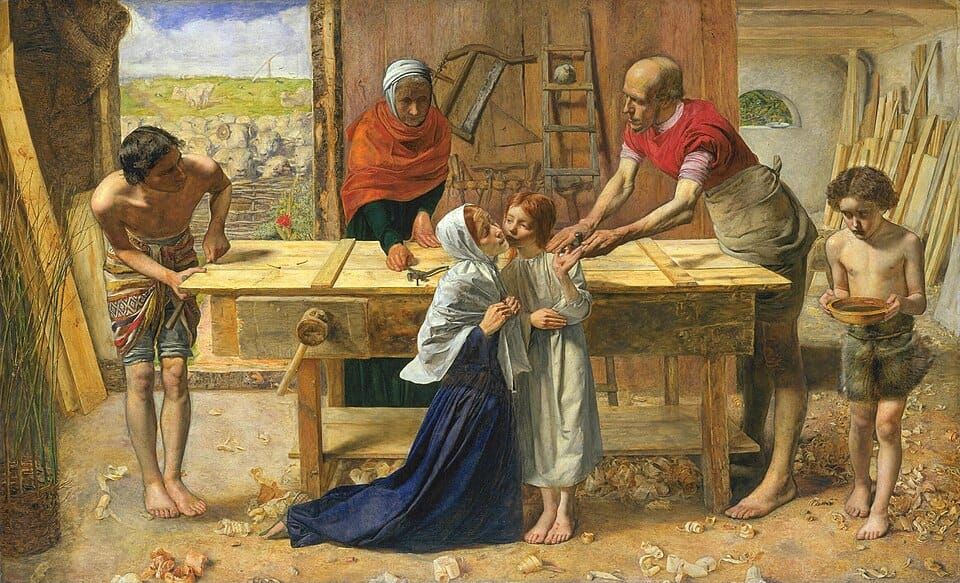
Consider what it was that gave offence at Nazareth. It was not the doctrine; the townspeople could find no fault in the teaching, and confessed themselves astonished by it. What they could not forgive was the smallness of the vessel. Is he not the carpenter's son? They had watched him grow. They knew his mother's name and could count his kinsmen on their fingers. And so the very thing that ought to have led them to wonder became instead the pretext for contempt. Chrysostom saw this with unsparing clarity, observing that what things they should admire Him for, for those they despise Him. The eye that has grown accustomed no longer troubles itself to see.
Here is the lesson, and it presses upon the soul more nearly than one might wish. The obstacle to faith at Nazareth was not doubt but familiarity — that quiet, corrosive assumption that whatever is near at hand can hold nothing further to be discovered. Yet the Church teaches that during the greater part of his life Jesus shared the condition of the vast majority of human beings: a daily life spent without evident greatness, a life of manual labour. God chose obscurity. He chose to be overlooked. And having chosen it, he made obscurity itself the place of encounter, so that the hidden life at Nazareth allows everyone to enter into fellowship with Jesus by the most ordinary events of daily life. What Nazareth despised was precisely the door that God had opened.
Beneath the contempt lay something colder still. The townspeople wanted a display; they wanted signs and wonders that would flatter their town and confirm their own judgment. But the miracles of Christ can also be occasions for offence, and they are not intended to satisfy people's curiosity or desire for magic. When the display was withheld, offence took its place, and offence in this instance wore the face of envy. Cyprian, who understood the human heart in its hidden chambers, wrote that the wounds of jealousy are hidden and secret; nor do they admit the remedy of a healing cure, since they have shut themselves in blind suffering within the lurking-places of the conscience. A soul may carry such a wound for years without ever naming it, and all the while the grace that stands at its door goes unreceived.
Yet the Gospel does not close in condemnation. It closes with a restraint that is itself a mercy: he did not work many mighty deeds there. He did not force the door. And this is the consolation the Holy Father draws from the scene — that faced with our closures, God does not withdraw, and does not put brakes on his love, but goes forward still, as parents continue to love and to do good to children who are ungrateful. The Lord does not abandon what refuses him. He waits.
Let the soul, then, look today upon what it has grown used to — the familiar prayer, the familiar face across the table, the ordinary duties of an ordinary day — and ask honestly whether it has quietly ceased to expect God there. He is most often to be found in the place we have stopped examining. To receive him requires no wonders; it requires only that the heart consent to be surprised by what it thought it already knew. And that consent, once given, discovers that the love which was never withdrawn has been waiting all along.
Lord, I have grown used to you, and my familiarity has dulled my sight. Teach me to look again upon the ordinary hours you have given me, and to find you hidden within them. Where envy or contempt has closed a door in me, open it by your patience, and let me not mistake your silence for your absence. Through Christ our Lord. Amen.
Sources & References
- "Stand in the court of the house of the LORD... omit nothing" — Jeremiah 26:1-9, First Reading (Lectionary 405)
- "Lord, in your great love, answer me" — Psalm 69:5, 8-10, 14, Responsorial Psalm
- "Is he not the carpenter's son?" and "A prophet is not without honor except in his native place" — Matthew 13:54-58, Gospel
- "what things they should admire Him for, for those they despise Him" — St. John Chrysostom, Homily 48 on Matthew, 1
- "the wounds of jealousy are hidden and secret; nor do they admit the remedy of a healing cure, since they have shut themselves in blind suffering within the lurking-places of the conscience" — St. Cyprian of Carthage, On Jealousy and Envy (Treatise 10), 9
- "During the greater part of his life Jesus shared the condition of the vast majority of human beings: a daily life spent without evident greatness, a life of manual labour" — Catechism of the Catholic Church, 531
- "The hidden life at Nazareth allows everyone to enter into fellowship with Jesus by the most ordinary events of daily life" — Catechism of the Catholic Church, 533
- "his miracles can also be occasions for 'offence'; they are not intended to satisfy people's curiosity or desire for magic" — Catechism of the Catholic Church, 548
- "he does not put brakes on his love" — Pope Francis, Angelus, 30 January 2022; cited in Vatican News, Word of the Day, 31 July 2026
El escándalo de lo conocido
📖 Sagrada Escritura Diaria
Viernes, 31 de julio de 2026 — Memoria de San Ignacio de Loyola, presbítero
Lecturas: Jeremías 26, 1-9 • Salmo 68, 5. 8-10. 14 • Mateo 13, 54-58
Hay una tristeza particular reservada a quienes son rechazados no por extraños, sino por los suyos. A Jeremías se le manda ir al atrio del templo y decir todas las palabras que el Señor le ordene, sin omitir ninguna; y cuando termina de hablar, los sacerdotes y los profetas lo apresan y claman que ese hombre debe morir. Siglos después, en un pueblo pequeño entre las colinas de Galilea, Jesús llega a su tierra y enseña en la sinagoga, y la gente queda asombrada — y luego se escandaliza. Las dos escenas están separadas por seiscientos años y unidas por una sola flaqueza humana: es más fácil recibir una palabra de verdad de un extraño que de un vecino.
Conviene considerar qué fue lo que ofendió en Nazaret. No fue la doctrina; sus paisanos no hallaron falta alguna en la enseñanza, y ellos mismos confesaron su asombro. Lo que no podían perdonar era la pequeñez del vaso. ¿Acaso no es éste el hijo del carpintero? Lo habían visto crecer. Sabían el nombre de su madre y podían contar a sus parientes con los dedos. Y así, aquello mismo que debía haberlos conducido a la admiración se convirtió en pretexto para el desprecio. Crisóstomo lo vio con una lucidez implacable, al observar que aquello por lo que debían admirarlo, por eso mismo lo desprecian. El ojo acostumbrado ya no se toma la molestia de mirar.
He aquí la lección, y oprime al alma más de cerca de lo que uno quisiera. El obstáculo para la fe en Nazaret no fue la duda, sino la costumbre — esa suposición callada y corrosiva de que aquello que tenemos cerca ya no guarda nada por descubrir. Y sin embargo la Iglesia enseña que Jesús compartió, durante la mayor parte de su vida, la condición de la inmensa mayoría de los hombres: una vida cotidiana sin aparente importancia, vida de trabajo manual. Dios eligió la oscuridad. Eligió pasar inadvertido. Y habiéndola elegido, hizo de esa misma oscuridad el lugar del encuentro, de modo que la vida oculta de Nazaret permite a todos entrar en comunión con Jesús a través de los caminos más ordinarios de la vida humana. Lo que Nazaret despreció era precisamente la puerta que Dios había abierto.
Bajo el desprecio latía algo aún más frío. Sus paisanos querían un espectáculo; querían signos y prodigios que halagaran a su pueblo y confirmaran su propio juicio. Pero los milagros de Cristo también pueden ser ocasión de escándalo, y no pretenden satisfacer la curiosidad ni los deseos mágicos. Negado el espectáculo, ocupó su lugar el escándalo, y el escándalo llevaba aquí el rostro de la envidia. Cipriano, que conocía el corazón humano en sus cámaras ocultas, escribió que las heridas de la envidia son ocultas y secretas, y no admiten el remedio de una curación saludable, porque se han encerrado en un sufrimiento ciego dentro de los escondrijos de la conciencia. Un alma puede llevar esa herida durante años sin llegar jamás a nombrarla, y entre tanto la gracia que aguarda a su puerta queda sin recibirse.
Con todo, el Evangelio no se cierra en condena. Se cierra con una contención que es ya misericordia: no hizo muchos milagros allí. No forzó la puerta. Y ésta es la consolación que el Santo Padre extrae de la escena: que ante nuestras cerrazones Dios no retrocede, no pone frenos a su amor, sino que sigue adelante, como los padres que siguen amando y haciendo el bien a hijos ingratos. El Señor no abandona a quien lo rechaza. Espera.
Que el alma mire hoy, entonces, aquello a lo que se ha acostumbrado — la oración de siempre, el rostro de siempre al otro lado de la mesa, los deberes ordinarios de un día ordinario — y se pregunte con sinceridad si no ha dejado calladamente de esperar allí a Dios. Suele hallársele precisamente en el lugar que hemos dejado de examinar. Recibirlo no exige prodigios; exige solamente que el corazón consienta en dejarse sorprender por aquello que creía ya conocer. Y ese consentimiento, una vez dado, descubre que el amor que nunca fue retirado estaba esperando desde siempre.
Señor, me he acostumbrado a ti, y esa costumbre ha embotado mi mirada. Enséñame a mirar de nuevo las horas ordinarias que me has dado, y a encontrarte escondido dentro de ellas. Donde la envidia o el desprecio hayan cerrado una puerta en mí, ábrela con tu paciencia, y no permitas que confunda tu silencio con tu ausencia. Por Jesucristo nuestro Señor. Amén.
Fuentes y referencias
- «Ve al atrio del templo... sin omitir ninguna» — Jeremías 26, 1-9, Primera lectura (Leccionario 405)
- «Escúchanos, Señor, conforme a tu clemencia» — Salmo 68, 5. 8-10. 14, Salmo responsorial
- «¿Acaso no es éste el hijo del carpintero?» y «Un profeta no es despreciado más que en su patria y en su casa» — Mateo 13, 54-58, Evangelio
- «Aquello por lo que debían admirarlo, por eso mismo lo desprecian» — San Juan Crisóstomo, Homilía 48 sobre San Mateo, 1
- «Las heridas de la envidia son ocultas y secretas, y no admiten el remedio de una curación saludable, porque se han encerrado en un sufrimiento ciego dentro de los escondrijos de la conciencia» — San Cipriano de Cartago, Sobre los celos y la envidia (Tratado 10), 9
- «Jesús compartió, durante la mayor parte de su vida, la condición de la inmensa mayoría de los hombres: una vida cotidiana sin aparente importancia, vida de trabajo manual» — Catecismo de la Iglesia Católica, 531
- «La vida oculta de Nazaret permite a todos entrar en comunión con Jesús a través de los caminos más ordinarios de la vida humana» — Catecismo de la Iglesia Católica, 533
- «También pueden ser "ocasión de escándalo". No pretenden satisfacer la curiosidad ni los deseos mágicos» — Catecismo de la Iglesia Católica, 548
- «No pone frenos a su amor» — Papa Francisco, Ángelus, 30 de enero de 2022; citado en Vatican News, Palabra del día, 31 de julio de 2026