
📖 Daily Scripture
Saturday, July 18, 2026 — Saturday of the Fifteenth Week in Ordinary Time
Readings: Micah 2:1-5 • Psalm 10:1-2, 3-4, 7-8, 14 • Matthew 12:14-21
There is a wakefulness that is not prayer. The prophet Micah has looked into the sleepless hours of the covetous and found there no rest but only calculation, the mind turning over in the darkness the fields and houses of other men, plotting in the morning light to accomplish what the night had schemed. It is a portrait of desire that has forgotten its measure — desire no longer willing to receive what God apportions, but bent upon seizing what belongs to another, upon cheating a man of his inheritance and calling the theft prosperity. And the soul that reads these words must not imagine the prophet is speaking only of ancient and distant men; for the same restlessness can steal into any heart that has begun to measure its worth by what it can grasp and hold.
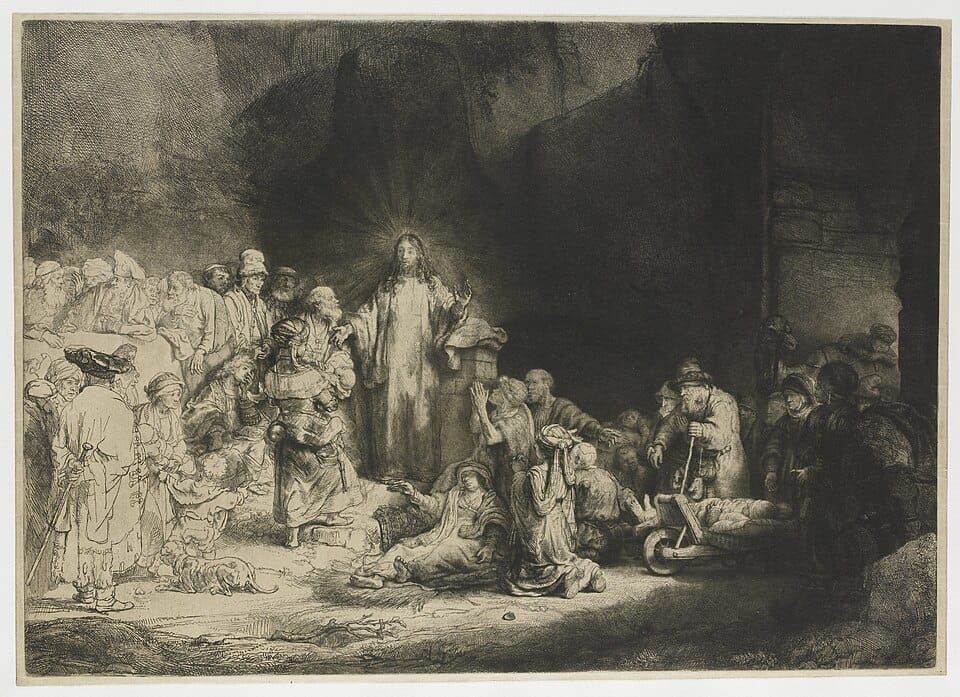
Over against this grasping, the Gospel places a figure of astonishing restraint. Here is One in whom all power dwells, who cured the crowds that followed him and could have compelled the homage of the world; and yet, when the Pharisees took counsel to destroy him, he withdrew, healing quietly and charging the healed to say nothing. The prophet Isaiah had foreseen this reticence long before: he will not contend, nor cry out, nor lift his voice in the streets. And then the tenderest words that were ever spoken of the Messiah: a bruised reed he will not break, a smoldering wick he will not quench, until he brings justice to victory. Here is strength that does not crush, power that stoops.
Between these two portraits the soul is asked to choose, for they are two ways of holding whatever strength we possess. The covetous man of Micah uses what power he has to take; the Servant of the Gospel uses his power to heal and to spare. The Church names the first temptation plainly: the tenth commandment forbids greed and the desire to amass earthly goods without limit. It forbids, further, the desire to commit injustice by harming our neighbor in his temporal goods — that quiet injustice by which we persuade ourselves that what we withhold was never truly owed.
For the withholding of goods is itself a kind of violence, though it leaves no visible wound. Not to enable the poor to share in our goods is to steal from them and deprive them of life, taught Saint John Chrysostom; the goods we possess are not ours, but theirs. Saint Basil pressed the same truth upon the comfortable of his own city: the bread which you hold back belongs to the hungry, the coat which you keep in your closet belongs to the naked, the shoes that rot in your possession belong to the barefoot. What Micah called the seizing of fields, the Fathers saw repeated in every locked storehouse and every hardened heart.
Yet the Gospel's word for the reed is a word of hope, and the soul must hear it as spoken also to itself. For each of us is at some hour the bruised reed, bent by sorrow and near to breaking; each of us the wick that smolders and gives more smoke than flame. He who will not break the one nor quench the other is gentle also with our frailty, and asks that we learn from him this same gentleness. The men of Micah seized the fields and lost them; but blessed are the meek, for they shall inherit the earth. It is not the grasping hand that inherits, but the open one.
So the soul is drawn from the fever of possession into the peace of trust. God has not forgotten the poor, nor the fatherless, nor the reed that trembles; he gathers up what the world would cast aside, and in his name the nations place their hope. To hold our strength as he holds his — gently, for the mending of others and not their ruin — is to begin already to inherit the earth he promises.
Lord, teach me to hold gently whatever you have placed in my hands, and to open them freely to those in need. Let me never break the bruised reed of another's weakness, nor guard as my own what you have given for the poor. Make my heart meek after the pattern of your own, that I may inherit the earth you promise. Through Christ our Lord. Amen.
Sources & References
- Micah 2:1-5 — First Reading (coveting fields and houses; the Lord's judgment on injustice)
- Psalm 10:1-2, 3-4, 7-8, 14 — Responsorial Psalm ("Do not forget the poor, O Lord!")
- Matthew 12:14-21 — Gospel (the chosen Servant who will not break the bruised reed; cf. Isaiah 42:1-4)
- 2 Corinthians 5:19 — Alleluia verse
- Catechism of the Catholic Church, no. 2536 — "The tenth commandment forbids greed and the desire to amass earthly goods without limit… the desire to commit injustice by harming our neighbor in his temporal goods."
- Catechism of the Catholic Church, no. 2446, quoting St. John Chrysostom (Homily on Lazarus) — "Not to enable the poor to share in our goods is to steal from them and deprive them of life. The goods we possess are not ours, but theirs."
- St. Basil the Great, Homily "I Will Tear Down My Barns" (on Luke 12:18) — "The bread which you hold back belongs to the hungry; the coat which you keep in your closet belongs to the naked…"
- Catechism of the Catholic Church, no. 1716 — the Beatitudes: "Blessed are the meek, for they shall inherit the earth."
- Papal insight — Vatican News, "Gospel and Word of the Day," 18 July 2026 (today's entry not yet published at time of preparation; reflection on Christ's meekness drawn from the Servant song of the Gospel and the teaching of the Church).
La caña que no romperá
📖 Sagrada Escritura Diaria
Sábado 18 de julio de 2026 — Sábado de la XV semana del Tiempo ordinario
Lecturas: Miqueas 2, 1-5 • Salmo 9, 22-23. 24-25. 28-29. 35 • Mateo 12, 14-21
Hay una vigilia que no es oración. El profeta Miqueas ha mirado dentro de las horas sin sueño de los codiciosos y no ha encontrado allí descanso, sino cálculo: la mente que da vueltas en la oscuridad a los campos y las casas de otros hombres, tramando el mal durante la noche para ejecutarlo al despuntar la mañana. Es el retrato de un deseo que ha olvidado su medida — un deseo que ya no quiere recibir lo que Dios reparte, sino apoderarse de lo que pertenece a otro, despojar al hombre de su herencia y llamar prosperidad al robo. Y el alma que lee estas palabras no debe imaginar que el profeta habla solo de hombres antiguos y lejanos, porque esa misma inquietud puede deslizarse en cualquier corazón que ha comenzado a medir su valor por lo que puede agarrar y retener.
Frente a este afán de apoderarse, el Evangelio coloca una figura de asombrosa mesura. Aquí está Aquel en quien habita todo poder, que curó a las multitudes que lo seguían y podría haber exigido el homenaje del mundo; y sin embargo, cuando los fariseos se confabularon para acabar con él, se retiró, curando en silencio y mandando a los sanados que no lo publicaran. El profeta Isaías había previsto esta reserva mucho antes: no gritará ni clamará, ni hará oír su voz en las plazas. Y luego las palabras más tiernas que jamás se dijeron del Mesías: no romperá la caña resquebrajada, ni apagará la mecha que aún humea, hasta que haga triunfar la justicia. He aquí una fuerza que no aplasta, un poder que se inclina.
Entre estos dos retratos se pide al alma que elija, porque son dos maneras de sostener cualquier fuerza que poseamos. El codicioso de Miqueas usa el poder que tiene para arrebatar; el Siervo del Evangelio usa el suyo para curar y para perdonar. La Iglesia nombra con claridad la primera tentación: el décimo mandamiento prohíbe la avaricia y el deseo de una apropiación inmoderada de los bienes terrenos. Prohíbe, además, el deseo de cometer una injusticia mediante la cual se dañaría al prójimo en sus bienes temporales — esa injusticia callada por la que nos convencemos de que lo que retenemos nunca fue verdaderamente debido.
Porque retener los bienes es en sí mismo una especie de violencia, aunque no deje herida visible. No hacer participar a los pobres de los propios bienes es robarles y quitarles la vida, enseñó san Juan Crisóstomo; lo que tenemos no son nuestros bienes, sino los suyos. San Basilio urgió la misma verdad a los acomodados de su ciudad: el pan que guardas pertenece al hambriento, el manto que conservas en tu armario pertenece al desnudo, los zapatos que se pudren en tu casa pertenecen al descalzo. Lo que Miqueas llamó apoderarse de los campos, los Padres lo vieron repetido en cada granero cerrado y en cada corazón endurecido.
Y sin embargo, la palabra del Evangelio sobre la caña es una palabra de esperanza, y el alma debe oírla dicha también a sí misma. Porque cada uno de nosotros es, en alguna hora, la caña resquebrajada, doblada por el dolor y a punto de romperse; cada uno la mecha que humea y da más humo que llama. Aquel que no romperá la una ni apagará la otra es también delicado con nuestra fragilidad, y nos pide que aprendamos de él esta misma delicadeza. Los hombres de Miqueas se apoderaron de los campos y los perdieron; pero dichosos los mansos, porque ellos heredarán la tierra. No es la mano que agarra la que hereda, sino la que se abre.
Así el alma es atraída desde la fiebre de la posesión hacia la paz de la confianza. Dios no se ha olvidado de los pobres, ni del huérfano, ni de la caña que tiembla; recoge lo que el mundo desecharía, y en su nombre ponen las naciones su esperanza. Sostener nuestra fuerza como él sostiene la suya — con delicadeza, para reparar a los demás y no para arruinarlos — es comenzar ya a heredar la tierra que él promete.
Señor, enséñame a sostener con delicadeza cuanto has puesto en mis manos, y a abrirlas con generosidad a los necesitados. Que nunca rompa yo la caña resquebrajada de la debilidad ajena, ni guarde como propio lo que tú has dado para los pobres. Haz mi corazón manso según el modelo del tuyo, para que herede la tierra que prometes. Por Jesucristo nuestro Señor. Amén.
Fuentes y referencias
- Miqueas 2, 1-5 — Primera lectura (codiciar campos y casas; el juicio del Señor sobre la injusticia)
- Salmo 9, 22-23. 24-25. 28-29. 35 — Salmo responsorial ("Señor, no te olvides de los pobres")
- Mateo 12, 14-21 — Evangelio (el Siervo elegido que no romperá la caña resquebrajada; cf. Isaías 42, 1-4)
- 2 Corintios 5, 19 — Aclamación antes del Evangelio
- Catecismo de la Iglesia Católica, n. 2536 — "El décimo mandamiento prohíbe la avaricia y el deseo de una apropiación inmoderada de los bienes terrenos… el deseo de cometer una injusticia mediante la cual se dañaría al prójimo en sus bienes temporales."
- Catecismo de la Iglesia Católica, n. 2446, citando a san Juan Crisóstomo — "No hacer participar a los pobres de los propios bienes es robarles y quitarles la vida. Lo que tenemos no son nuestros bienes, sino los suyos."
- San Basilio Magno, homilía "Destruiré mis graneros" (sobre Lucas 12, 18) — "El pan que guardas pertenece al hambriento; el manto que conservas en tu armario pertenece al desnudo…"
- Catecismo de la Iglesia Católica, n. 1716 — las Bienaventuranzas: "Dichosos los mansos, porque ellos heredarán la tierra."
- Reflexión papal — Vatican News, "Evangelio y Palabra del día," 18 de julio de 2026 (entrada de hoy aún no publicada al momento de preparar este texto; reflexión sobre la mansedumbre de Cristo tomada del canto del Siervo y de la enseñanza de la Iglesia).