
📖 Daily Scripture
Friday, October 30, 2026 — Friday of the Thirtieth Week in Ordinary Time
Readings: Philippians 1:1-11 • Psalm 111:1-2, 3-4, 5-6 • Luke 14:1-6
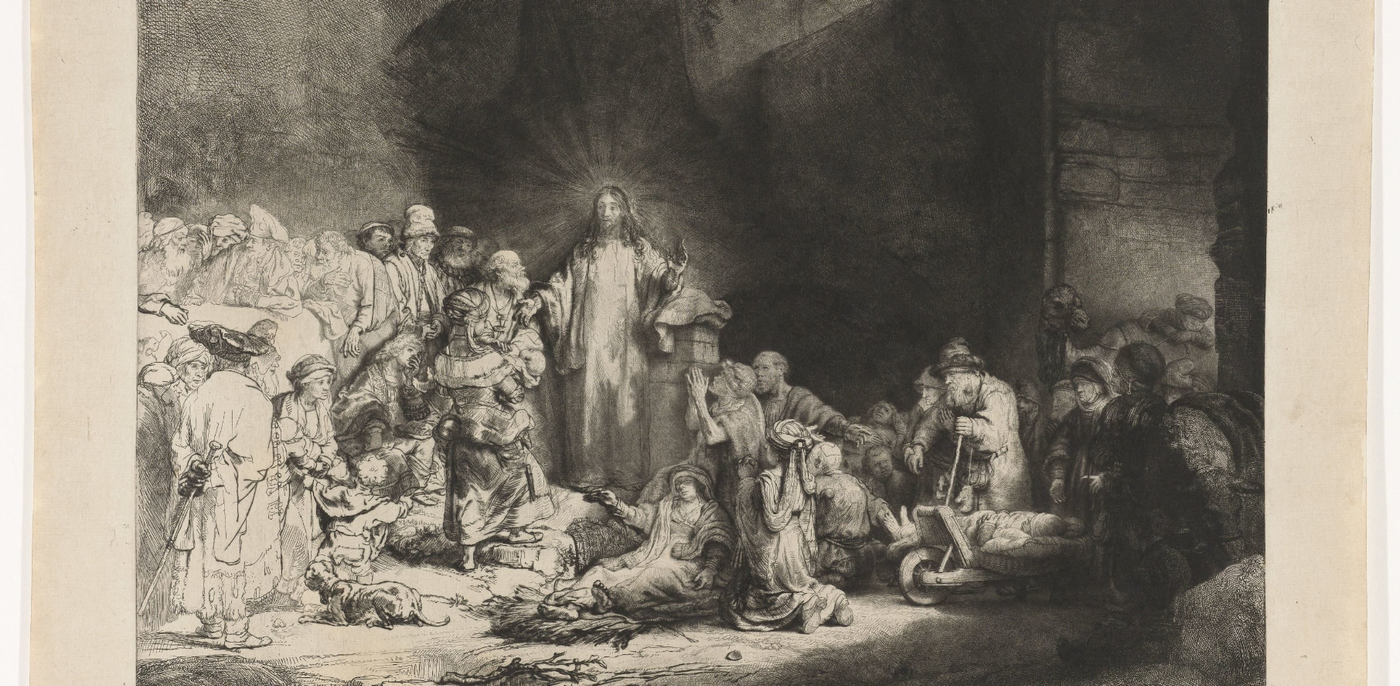
On a sabbath our Lord enters the house of one of the leading Pharisees, and the Evangelist notes, with a quiet gravity easily passed over, that "the people there were observing him." The phrase discloses a whole condition of heart. They watched, not as disciples who watch in order to learn, nor as friends who watch in order to love, but as judges who wait for a fault. And before them, as though set there to reveal what kind of watching it was, stood a man swollen with dropsy, bearing in his body a misery he could neither conceal nor cure.
Christ puts to them the simplest of questions: "Is it lawful to cure on the sabbath or not?" The answer recorded is the most searching line of the passage: "But they kept silent." Theirs was not the silence of reverence but of calculation, the silence of men who knew well enough what charity required and preferred not to say it, lest the saying should bind them. Here lies the lesson for the soul. There is a way of being exact in religion which is, in truth, a refuge from love, a way of observing the law of God so closely that one ceases to see the neighbor whom that law was given to serve. The Church teaches plainly that "with compassion, Christ declares the sabbath for doing good rather than harm, for saving life rather than killing," and that "the sabbath is the day of the Lord of mercies." The holy day was never meant as a wall against mercy; it was meant as its feast.
St. Augustine, pondering this healing, saw in the sick man an image nearer to every heart than it may care to admit: "we rightly compare the dropsical man to a covetous rich man. For as the former, the more he increases in unnatural moisture the greater his thirst; so also the other, the more abundant his riches, which he does not employ well, the more ardently he desires them." Each soul knows some swelling of this kind, a craving for possession, for esteem, or for the bitter satisfaction of being proved right, which grows by being fed and thirsts the more for being indulged. The Pharisees, too, were swollen, though not in the body; their thirst was for vindication, and it left them mute before a suffering man. Our Lord took the man, healed him, and let him go, and then asked whether any of them would not draw a son or an ox from a cistern on the sabbath day. To that, too, they could give no answer.
How, then, is the soul to be cured of its own hidden thirst? Not by its own striving alone, and yet not without it. St. Paul writes to the Philippians with serene confidence "that the one who began a good work in you will continue to complete it until the day of Christ Jesus." The work is God's from first to last; yet the Catechism, echoing Augustine, teaches that "God created us without us: but he did not will to save us without us." Grace waits upon consent. It asks that the soul cease to watch others for their faults and suffer itself to be seen, and touched, and healed. Pope Francis, preaching on Christ the Healer, put the whole matter in words of great simplicity: "Jesus heals: let yourselves be healed by Jesus." The man with dropsy did nothing but remain before the Lord; yet that was everything.
What follows such healing is a love that grows wise. "And this is my prayer," writes the Apostle, "that your love may increase ever more and more in knowledge and every kind of perception." A love of this kind does not keep silent when good may be done; it discerns, amid the ordinary hour and the crowded table, the one who suffers, and it speaks and acts while others calculate. The soul relieved of its own thirst is at last free to notice the thirst of another. And it may take courage, for the psalmist sings that "gracious and merciful is the LORD," and the great works of God are not yet finished. He who began the good work has not grown weary of it. Every day is His sabbath of mercy, and in every day He waits, with a patience that is only love, to heal.
Lord Jesus, who healed the sick man at the Pharisee's table, look upon the hidden thirst within me and cure it by Your mercy. Teach me not to watch my neighbor for his faults, but to see his need and to do the good I know. Complete within me the work You have begun, until the day of Your coming. Through Christ our Lord. Amen.
Sources & References
- "the people there were observing him" — Luke 14:1 (NABRE, USCCB)
- "Is it lawful to cure on the sabbath or not?" / "But they kept silent" — Luke 14:3-4
- Son or ox fallen into a cistern — Luke 14:5
- "that the one who began a good work in you will continue to complete it until the day of Christ Jesus" — Philippians 1:6
- "And this is my prayer: that your love may increase ever more and more in knowledge and every kind of perception" — Philippians 1:9
- "gracious and merciful is the LORD"; "How great are the works of the Lord!" — Psalm 111:4 and refrain
- "With compassion, Christ declares the sabbath for doing good rather than harm, for saving life rather than killing" and "The sabbath is the day of the Lord of mercies" — Catechism of the Catholic Church, 2173
- "God created us without us: but he did not will to save us without us" — Catechism of the Catholic Church, 1847, citing St. Augustine, Sermo 169, 11, 13
- "we rightly compare the dropsical man to a covetous rich man…" — St. Augustine, Quaestiones Evangeliorum II, as collected in St. Thomas Aquinas, Catena Aurea on Luke 14:1-6
- "Jesus heals: let yourselves be healed by Jesus" — Pope Francis, Homily of 8 February 2015, as presented in Vatican News "Word of the Day," October 30, 2026
El silencio en la mesa del fariseo
📖 Sagrada Escritura Diaria
Viernes 30 de octubre de 2026 — Viernes de la XXX semana del Tiempo ordinario
Lecturas: Filipenses 1, 1-11 • Salmo 110, 1-2. 3-4. 5-6 • Lucas 14, 1-6
Un sábado, nuestro Señor entra en casa de uno de los jefes de los fariseos, y el Evangelista advierte, con una gravedad serena que fácilmente se pasa por alto, que "éstos estaban espiándolo". La frase descubre toda una disposición del corazón. Lo observaban, no como discípulos que miran para aprender, ni como amigos que miran para amar, sino como jueces que aguardan una falta. Y delante de ellos, como puesto allí para revelar qué clase de mirada era aquélla, estaba un hombre hinchado por la hidropesía, que llevaba en su cuerpo una miseria que no podía ocultar ni sanar.
Cristo les dirige la más sencilla de las preguntas: "¿Está permitido curar en sábado o no?". La respuesta que se consigna es la línea más penetrante del pasaje: "Ellos se quedaron callados". El suyo no era el silencio de la reverencia, sino el del cálculo; el silencio de hombres que sabían bien lo que la caridad exigía y preferían no decirlo, no fuera que al decirlo quedaran obligados. Aquí está la lección para el alma. Hay una manera de ser exacto en la religión que es, en verdad, un refugio contra el amor; una manera de observar la ley de Dios tan de cerca que se deja de ver al prójimo a quien esa ley fue dada para servir. La Iglesia enseña con claridad que "con compasión, Cristo proclama que 'es lícito en sábado hacer el bien en vez del mal, salvar una vida en vez de destruirla'", y que "el sábado es el día del Señor de las misericordias". El día santo nunca fue pensado como un muro contra la misericordia, sino como su fiesta.
San Agustín, meditando esta curación, vio en el enfermo una imagen más cercana a todo corazón de lo que éste quisiera admitir: "con razón comparamos al hidrópico con el rico avaro. Pues así como aquél, cuanto más aumenta en humor contra natura, tanto mayor es su sed, así también éste, cuanto más abundantes son sus riquezas, que no emplea bien, tanto más ardientemente las desea". Toda alma conoce alguna hinchazón de esta clase, un ansia de posesión, de estima o de la amarga satisfacción de tener razón, que crece cuanto más se alimenta y tiene más sed cuanto más se complace. También los fariseos estaban hinchados, aunque no en el cuerpo; su sed era de vindicación, y los dejó mudos ante un hombre que sufría. Nuestro Señor tocó al enfermo, lo curó y lo despidió, y luego preguntó si alguno de ellos no sacaría enseguida de un pozo a su burro o a su buey, aunque fuera sábado. Tampoco a esto supieron responder.
¿Cómo, entonces, ha de sanar el alma de su propia sed escondida? No sólo por su propio esfuerzo, y sin embargo no sin él. San Pablo escribe a los filipenses con serena confianza: "Estoy convencido de que aquel que comenzó en ustedes esta obra, la irá perfeccionando siempre hasta el día de la venida de Cristo Jesús". La obra es de Dios de principio a fin; pero el Catecismo, haciéndose eco de San Agustín, enseña que Dios, "que te ha creado sin ti, no te salvará sin ti". La gracia aguarda el consentimiento. Pide que el alma deje de vigilar a los demás en busca de sus faltas y se deje ver, y tocar, y sanar. El Papa Francisco, predicando sobre Cristo que sana, expresó todo el asunto con palabras de gran sencillez: "Jesús cura: déjense curar por Jesús". El hidrópico no hizo nada sino permanecer delante del Señor; y eso lo fue todo.
Lo que sigue a esa curación es un amor que se vuelve sabio. "Y ésta es mi oración por ustedes", escribe el Apóstol: "Que su amor siga creciendo más y más y se traduzca en un mayor conocimiento y sensibilidad espiritual". Un amor así no calla cuando se puede hacer el bien; discierne, en medio de la hora ordinaria y de la mesa concurrida, a quien sufre, y habla y obra mientras otros calculan. El alma aliviada de su propia sed queda al fin libre para advertir la sed del otro. Y puede cobrar ánimo, porque el salmista canta que "el Señor es piadoso y es clemente", y las grandes obras de Dios aún no han terminado. Quien comenzó la obra buena no se ha cansado de ella. Cada día es su sábado de misericordia, y en cada día Él aguarda, con una paciencia que no es sino amor, para sanar.
Señor Jesús, que sanaste al enfermo en la mesa del fariseo, mira la sed escondida dentro de mí y cúrala con tu misericordia. Enséñame a no vigilar a mi prójimo en busca de sus faltas, sino a ver su necesidad y a hacer el bien que conozco. Lleva a término dentro de mí la obra que has comenzado, hasta el día de tu venida. Por Jesucristo nuestro Señor. Amén.
Fuentes y referencias
- "éstos estaban espiándolo" — Lucas 14, 1 (Leccionario, USCCB en español)
- "¿Está permitido curar en sábado o no?" / "Ellos se quedaron callados" — Lucas 14, 3-4
- El burro o el buey caído en un pozo — Lucas 14, 5
- "Estoy convencido de que aquel que comenzó en ustedes esta obra, la irá perfeccionando siempre hasta el día de la venida de Cristo Jesús" — Filipenses 1, 6
- "Y ésta es mi oración por ustedes: Que su amor siga creciendo más y más y se traduzca en un mayor conocimiento y sensibilidad espiritual" — Filipenses 1, 9
- "El Señor es piadoso y es clemente"; "Qué grandes son tus obras, Señor" — Salmo 110, 4 y estribillo
- "Con compasión, Cristo proclama que 'es lícito en sábado hacer el bien en vez del mal, salvar una vida en vez de destruirla'" y "El sábado es el día del Señor de las misericordias" — Catecismo de la Iglesia Católica, 2173
- Dios, "que te ha creado sin ti, no te salvará sin ti" — Catecismo de la Iglesia Católica, 1847, citando a San Agustín, Sermo 169, 11, 13
- "con razón comparamos al hidrópico con el rico avaro…" — San Agustín, Quaestiones Evangeliorum II, recogido en Santo Tomás de Aquino, Catena Aurea sobre Lucas 14, 1-6 (traducción al español del texto citado)
- "Jesús cura: déjense curar por Jesús" — Papa Francisco, Homilía del 8 de febrero de 2015, según Vatican News, "Palabra del día", 30 de octubre de 2026 (traducción al español)