
📖 Daily Scripture
Wednesday, November 4, 2026 — Memorial of Saint Charles Borromeo, Bishop
Readings: Philippians 2:12-18 • Psalm 27:1, 4, 13-14 • Luke 14:25-33
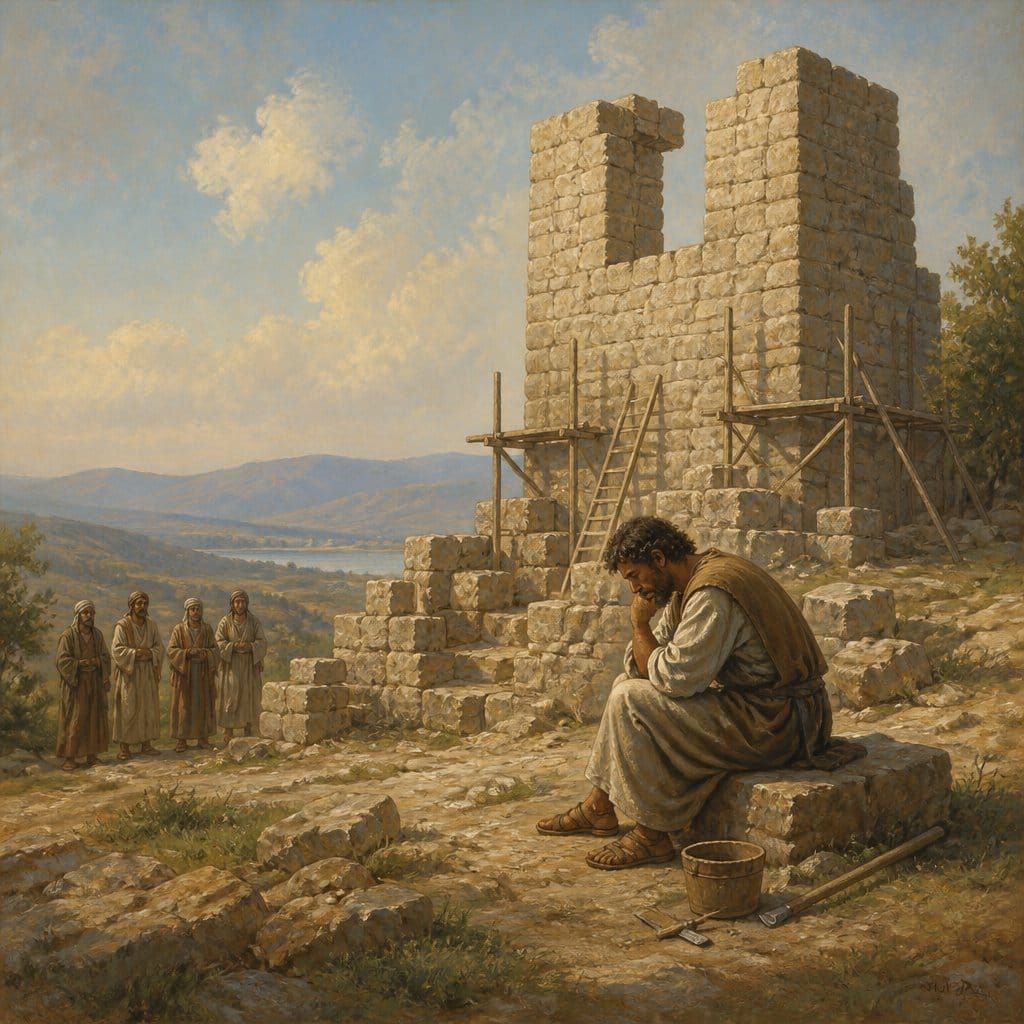
There is a sober realism in the Lord’s words today which the soul, eager for consolation, is tempted to pass over. Great crowds were traveling with Him, and He turned, not to flatter their enthusiasm, but to try it. He speaks of a man who would build a tower and of a king who would march to war, and in each case the counsel is the same: sit down first, and calculate the cost. Discipleship, He gives the soul to understand, is not a mood that rises and falls with the warmth of the moment; it is the undertaking of a whole life. “Whoever does not carry his own cross and come after me cannot be my disciple.”
The cost is named without softening. The Lord asks to be preferred to father and mother, to wife and children, to one’s very life, and He closes with words that unsettle every comfortable arrangement: “everyone of you who does not renounce all his possessions cannot be my disciple.” The Catechism teaches that “Jesus enjoins his disciples to prefer him to everything and everyone,” and adds plainly that “the precept of detachment from riches is obligatory for entrance into the Kingdom of heaven.” Not every soul is called to surrender its goods in the literal manner of the cloister; but every soul is called to hold all it has with an open hand, so that nothing may stand between it and Christ.
Here the moral lesson presses close. The tower left half-built, the onlookers who mock, are images not only of a public failure but of an interior one. Many begin with fervor and grow weary, not because grace was refused them, but because they never reckoned honestly with what they would be asked to surrender. The soul that has not examined its attachments will meet them later, in the hour of trial, as unexpected rivals to the Lord. It is therefore a work of wisdom, and not of gloom, to sit down in the quiet of conscience and ask: what do I love more than Christ? What would I refuse Him, were He to ask it?
Yet if the reckoning ended there, it would end in despair, for what soul, counting its own resources, could conclude that it has enough to finish the tower? St. Paul supplies the hidden term in the calculation. “Work out your salvation with fear and trembling,” he writes, and then at once: “For God is the one who, for his good purpose, works in you both to desire and to work.” The cost is real, but the treasury is not the soul’s own. St. Augustine, in words the Catechism makes its own, confesses: “Indeed we also work, but we are only collaborating with God who works, for his mercy has gone before us.” The disciple counts the cost, then, not to measure his own strength, but to learn how wholly he must lean upon Another’s.
The Psalm discloses what lies beyond the renunciation. “One thing I ask of the LORD; this I seek: to dwell in the house of the LORD all the days of my life.” Detachment is never emptiness for its own sake; it is the clearing of a heart that it may be filled. Augustine confessed it: “you have made us for yourself, and our heart is restless until it rests in you.” Pope Leo XIV, reflecting on this Gospel, has said that the Lord “calls us to abandon ourselves without hesitation to the adventure that he offers us.” St. Charles Borromeo, whom the Church honors today, learned that adventure in the giving away of great wealth and, in the years of plague, in the spending of himself upon the sick and the poor of Milan. He reckoned the cost, and found that grace had gone before him.
So the soul may take up its cross without grumbling or questioning, and may shine, even in a crooked generation, like a small light in the world. The tower it builds will be finished not by its own resources but by the faithful love of God, who never begins a work He does not long to complete. “Wait for the LORD with courage; be stouthearted, and wait for the LORD.”
Lord Jesus, teach me to count the cost of following You with honesty, and to hold all that I have with an open hand. Work within me both to desire and to do Your will, that the tower You have begun in my soul may be brought to completion by Your grace. Through Christ our Lord. Amen.
Sources & References
- “Whoever does not carry his own cross and come after me cannot be my disciple”; “everyone of you who does not renounce all his possessions cannot be my disciple”; the tower and the king who “first sit down and calculate the cost” — Luke 14:25-33
- “Work out your salvation with fear and trembling”; “For God is the one who, for his good purpose, works in you both to desire and to work”; “without grumbling or questioning”; “a crooked and perverse generation”; “you shine like lights in the world” — Philippians 2:12-18
- “One thing I ask of the LORD; this I seek: to dwell in the house of the LORD all the days of my life”; “Wait for the LORD with courage; be stouthearted, and wait for the LORD” — Psalm 27:4, 14
- “Jesus enjoins his disciples to prefer him to everything and everyone”; “the precept of detachment from riches is obligatory for entrance into the Kingdom of heaven” — Catechism of the Catholic Church, 2544
- “Indeed we also work, but we are only collaborating with God who works, for his mercy has gone before us” — St. Augustine, De natura et gratia, 31, as quoted in Catechism of the Catholic Church, 2001
- “You have made us for yourself, and our heart is restless until it rests in you” — St. Augustine, Confessions, I, 1, 1, as quoted in Catechism of the Catholic Church, 30
- “He calls us to abandon ourselves without hesitation to the adventure that he offers us” — Pope Leo XIV, Homily, 7 September 2025, as presented in Vatican News, “Word of the Day,” 4 November 2026
- Scripture texts: Lectionary for Mass for Use in the Dioceses of the United States (USCCB), Memorial of Saint Charles Borromeo, Bishop, Lectionary 487
La torre que la gracia lleva a término
📖 Sagrada Escritura Diaria
Miércoles, 4 de noviembre de 2026 — Memoria de San Carlos Borromeo, obispo
Lecturas: Filipenses 2, 12-18 • Salmo 26, 1. 4. 13-14 • Lucas 14, 25-33
Hay en las palabras del Señor de hoy un sobrio realismo que el alma, ávida de consuelo, se siente tentada a pasar por alto. Caminaba con Jesús una gran muchedumbre, y Él se volvió, no para halagar su entusiasmo, sino para probarlo. Habla de un hombre que quiere construir una torre y de un rey que sale a combatir, y en ambos casos el consejo es el mismo: sentarse primero y calcular el costo. El discipulado, da a entender al alma, no es un estado de ánimo que sube y baja con el fervor del momento; es la empresa de toda una vida. “El que no carga su cruz y me sigue, no puede ser mi discípulo”.
El precio se nombra sin atenuantes. El Señor pide ser preferido al padre y a la madre, a la esposa y a los hijos, a la propia vida, y concluye con palabras que inquietan todo arreglo cómodo: “cualquiera de ustedes que no renuncie a todos sus bienes, no puede ser mi discípulo”. El Catecismo enseña que “Jesús exhorta a sus discípulos a preferirle a Él respecto a todo y a todos”, y añade con claridad que “el precepto del desprendimiento de las riquezas es obligatorio para entrar en el Reino de los cielos”. No toda alma está llamada a entregar sus bienes al modo literal del claustro; pero toda alma está llamada a sostener cuanto tiene con la mano abierta, de modo que nada se interponga entre ella y Cristo.
Aquí la enseñanza moral se hace cercana. La torre a medio construir, los que se burlan al verla, son imagen no solo de un fracaso público, sino de uno interior. Muchos comienzan con fervor y se cansan, no porque se les haya negado la gracia, sino porque nunca contaron con honradez lo que se les pediría entregar. El alma que no ha examinado sus apegos los encontrará más tarde, en la hora de la prueba, como rivales inesperados del Señor. Por eso es obra de sabiduría, y no de tristeza, sentarse en el silencio de la conciencia y preguntarse: ¿qué amo más que a Cristo? ¿Qué le negaría, si Él me lo pidiera?
Pero si la cuenta terminara ahí, terminaría en desesperación, pues ¿qué alma, contando sus propios recursos, podría concluir que tiene lo suficiente para acabar la torre? San Pablo aporta el término oculto del cálculo. “Sigan trabajando por su salvación con humildad y temor de Dios”, escribe, y en seguida: “pues él es quien les da energía interior para que puedan querer y actuar conforme a su voluntad”. El costo es real, pero el tesoro no es del alma. San Agustín, con palabras que el Catecismo hace suyas, confiesa: “Ciertamente nosotros trabajamos también, pero no hacemos más que trabajar con Dios que trabaja. Porque su misericordia se nos adelantó”. El discípulo calcula el costo, entonces, no para medir su propia fuerza, sino para aprender cuán enteramente debe apoyarse en la de Otro.
El Salmo revela lo que hay más allá de la renuncia. “Lo único que pido, lo único que busco es vivir en la casa del Señor toda mi vida”. El desprendimiento nunca es un vacío por sí mismo; es despejar el corazón para que pueda ser colmado. Agustín lo confesó: “nos has hecho para ti y nuestro corazón está inquieto mientras no descansa en ti”. El Papa León XIV, meditando este Evangelio, ha dicho que el Señor “nos llama a lanzarnos sin vacilar a la aventura que Él nos propone”. San Carlos Borromeo, a quien la Iglesia honra hoy, aprendió esa aventura al desprenderse de grandes riquezas y, en los años de la peste, al entregarse por entero a los enfermos y a los pobres de Milán. Calculó el costo, y descubrió que la gracia se le había adelantado.
Así el alma puede tomar su cruz sin quejas ni discusiones, y brillar, aun en medio de una generación torcida, como una pequeña antorcha en el mundo. La torre que edifica no será terminada con sus propios recursos, sino por el amor fiel de Dios, que nunca comienza una obra que no anhele llevar a término. “Ármate de valor y fortaleza y en el Señor confía”.
Señor Jesús, enséñame a calcular con honradez el costo de seguirte, y a sostener todo lo que tengo con la mano abierta. Obra dentro de mí el querer y el hacer tu voluntad, para que la torre que has comenzado en mi alma sea llevada a término por tu gracia. Por Jesucristo nuestro Señor. Amén.
Fuentes y referencias
- “El que no carga su cruz y me sigue, no puede ser mi discípulo”; “cualquiera de ustedes que no renuncie a todos sus bienes, no puede ser mi discípulo”; la torre y el rey que “se pone primero a calcular el costo” — Lucas 14, 25-33
- “Sigan trabajando por su salvación con humildad y temor de Dios”; “pues él es quien les da energía interior para que puedan querer y actuar conforme a su voluntad”; “sin quejas ni discusiones”; “brillarán como antorchas en el mundo” — Filipenses 2, 12-18
- “Lo único que pido, lo único que busco es vivir en la casa del Señor toda mi vida”; “Ármate de valor y fortaleza y en el Señor confía” — Salmo 26, 4. 14
- “Jesús exhorta a sus discípulos a preferirle a Él respecto a todo y a todos”; “el precepto del desprendimiento de las riquezas es obligatorio para entrar en el Reino de los cielos” — Catecismo de la Iglesia Católica, 2544
- “Ciertamente nosotros trabajamos también, pero no hacemos más que trabajar con Dios que trabaja. Porque su misericordia se nos adelantó” — San Agustín, De natura et gratia, 31, 35, citado en el Catecismo de la Iglesia Católica, 2001
- “Nos has hecho para ti y nuestro corazón está inquieto mientras no descansa en ti” — San Agustín, Confesiones, 1, 1, 1, citado en el Catecismo de la Iglesia Católica, 30
- “Nos llama a lanzarnos sin vacilar a la aventura que Él nos propone” — Papa León XIV, Homilía, 7 de septiembre de 2025, según Vatican News, “Evangelio y palabra del día”, 4 de noviembre de 2026
- Textos bíblicos: Leccionario de la Conferencia Episcopal Mexicana, según las Lecturas de Hoy de la USCCB, Memoria de San Carlos Borromeo, obispo, Leccionario 487