
📖 Daily Scripture
Saturday, August 29, 2026 — Memorial of the Passion of Saint John the Baptist
Readings: 1 Corinthians 1:26-31 • Psalm 33:12-13, 18-19, 20-21 • Mark 6:17-29
The Church sets two scenes side by side today and asks the soul to hold them together: a letter addressed to a company of unremarkable Corinthians, and a banquet hall in Galilee where a king's promise ended in the death of a prophet. The thread that joins them is not immediately visible; yet once it is seen it does not run backward into history so much as inward, into the quiet chambers where each of us decides what he will do with the truth he has been given.
It is worth lingering over Herod, for he is not the monster the story might have made of him. He feared John, the Gospel says, knowing him to be a righteous and holy man; he kept him in custody and safe; when he heard him speak he was very much perplexed, yet he liked to listen to him. Here was a man who admired the truth, who found it interesting, who took a certain pleasure in being near it — and who would not for a single hour submit to it. He kept the prophet as a courtier keeps a curiosity; and when the hour came, an oath sworn amid wine and the watching eyes of his guests weighed more with him than the voice of God. He was deeply distressed, and he gave the order all the same. So the most terrible sins are usually committed: sorrowfully, reluctantly, and in the presence of company whose good opinion we cannot bear to lose.
Here is the lesson the day presses upon us, and it stands nearer to us than martyrdom. The danger for most souls is not the open denial of Christ but the quiet postponement of Him; not the renunciation of truth but the small, courteous silence that lets a falsehood stand because to speak would cost us the good opinion of the room. The Catechism names the opposing virtue plainly: truthfulness is the virtue which consists in showing oneself true in deeds and truthful in words, and in guarding against duplicity, dissimulation, and hypocrisy. Herod's ruin was not one great act of wickedness; it was the long habit of admiring what he had no intention of obeying, and that habit, when the platter was called for, had left him nothing firm to stand upon.
Set against him is a man who possessed nothing the world knows how to weigh. Saint Paul reminds the Corinthians that God chose the foolish of the world to shame the wise, and the lowly and despised of the world, those who count for nothing, to reduce to nothing those who are something. John had no rank, no wealth, no protector; he had a garment of camel's hair and a word he had not invented. His greatness lay precisely in his refusal to be more than what he was. As Augustine says, John is the voice, but the Lord is the Word who was in the beginning. A voice is spent in the uttering; it exists only to carry what is not its own. The soul that grasps this has found the secret of a fruitful life.
Such fidelity is not the fruit of temperament but of virtue, and virtue is a slow and deliberate thing. Fortitude, the Church teaches, is the moral virtue that ensures firmness in difficulties and constancy in the pursuit of the good; it makes one capable of conquering fear, even fear of death, and of facing trials and persecutions. It is built not in the prison but in the years before it — in the desert, in prayer, in the hundred unwitnessed occasions when a soul tells the truth at some small cost and does not persuade itself that the cost was too high. It has been well said that the Christian life demands, so to speak, the "martyrdom" of daily fidelity to the Gospel.
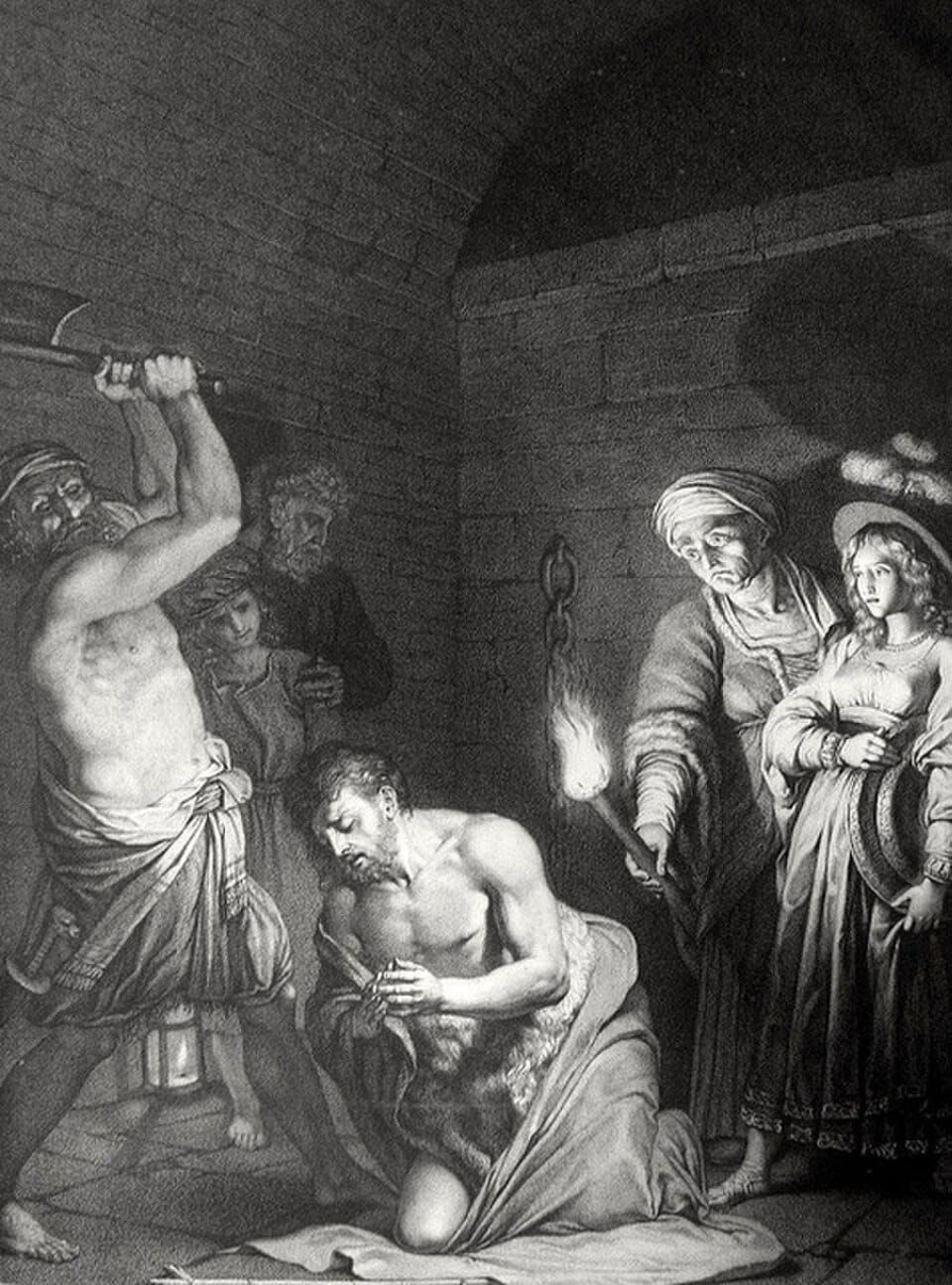
And the end of such a life is never waste. Martyrdom, the Catechism says, is the supreme witness given to the truth of the faith: it means bearing witness even unto death. What Herodias intended for silence God turned into speech; the head upon the platter has preached far longer than ever the tongue did. Tertullian saw the pattern early and stated it without ornament: the blood of Christians is seed. Nothing offered to God is lost, and least of all what is taken from us by force while we are keeping faith with Him.
The soul may therefore go out from this day neither frightened nor complacent, but sober and hopeful. It is asked for no more than the fidelity of the present hour: the true word rather than the convenient one, the promise kept when keeping it is expensive, the small refusal to be governed by the faces around the table. Our soul waits for the Lord, who is our help and our shield. He does not choose the strong; He makes strong those whom He chooses — and whoever boasts should boast in the Lord.
Lord, You know how easily I admire the truth without obeying it. Teach me to prefer Your voice to the faces around me, and grant me courage to keep faith with You in the small hours when no one is watching. Make of my whole life a voice that carries Your Word and then falls silent. Through Christ our Lord. Amen.
Sources & References
- "God chose the foolish of the world to shame the wise" / "those who count for nothing" / "Whoever boasts, should boast in the Lord" — 1 Corinthians 1:26-31 (First Reading)
- "Our soul waits for the LORD, who is our help and our shield" — Psalm 33:20 (Responsorial Psalm)
- "Herod feared John, knowing him to be a righteous and holy man" / "he liked to listen to him" / "The king was deeply distressed" — Mark 6:17-29 (Gospel)
- "Truth or truthfulness is the virtue which consists in showing oneself true in deeds and truthful in words, and in guarding against duplicity, dissimulation, and hypocrisy" — Catechism of the Catholic Church, 2468
- "Fortitude is the moral virtue that ensures firmness in difficulties and constancy in the pursuit of the good… conquer fear, even fear of death" — Catechism of the Catholic Church, 1808
- "Martyrdom is the supreme witness given to the truth of the faith: it means bearing witness even unto death" — Catechism of the Catholic Church, 2473
- "John is the voice, but the Lord is the Word who was in the beginning" — St. Augustine, Sermon 293, 3
- "The blood of Christians is seed" — Tertullian, Apology 50
- "Christian life demands, so to speak, the 'martyrdom' of daily fidelity to the Gospel" — Pope Benedict XVI, General Audience, 29 August 2012
La voz que no quiso callar
📖 Sagrada Escritura Diaria
Sábado 29 de agosto de 2026 — Memoria del Martirio de San Juan Bautista
Lecturas: 1 Corintios 1, 26-31 • Salmo 32, 12-13. 18-19. 20-21 • Marcos 6, 17-29
La Iglesia coloca hoy dos escenas una junto a la otra y pide al alma que las sostenga juntas: una carta dirigida a un puñado de corintios sin relieve alguno, y un salón de banquetes en Galilea donde la promesa de un rey terminó en la muerte de un profeta. El hilo que las une no se ve de inmediato; pero, una vez descubierto, no conduce hacia atrás, hacia la historia, sino hacia dentro, hacia esas cámaras silenciosas donde cada uno decide qué hará con la verdad que ha recibido.
Vale la pena detenerse en Herodes, porque no es el monstruo que el relato podría haber hecho de él. Miraba con respeto a Juan, dice el Evangelio, pues sabía que era un hombre recto y santo, y lo tenía custodiado; cuando lo oía hablar quedaba desconcertado, pero le gustaba escucharlo. He aquí un hombre que admiraba la verdad, que la encontraba interesante, que sentía cierto placer en tenerla cerca, y que no estuvo dispuesto a someterse a ella ni una sola hora. Guardaba al profeta como un cortesano guarda una curiosidad; y cuando llegó la hora, un juramento pronunciado entre el vino y las miradas de los convidados pesó más que la voz de Dios. Se puso muy triste, y dio la orden igualmente. Así se cometen casi siempre los pecados más terribles: con tristeza, de mala gana, y ante una compañía cuya estima no nos atrevemos a perder.
Ésta es la lección que el día nos impone, y se halla más cerca de nosotros que el martirio. El peligro para la mayoría de las almas no es la negación abierta de Cristo, sino su callado aplazamiento; no la renuncia a la verdad, sino ese pequeño silencio cortés que deja en pie una falsedad porque hablar nos costaría la buena opinión de los presentes. El Catecismo nombra sin rodeos la virtud contraria: la veracidad es la virtud que consiste en mostrarse veraz en los propios actos y en decir verdad en sus palabras, evitando la duplicidad, la simulación y la hipocresía. La ruina de Herodes no fue un solo gran acto de maldad; fue el largo hábito de admirar aquello que no tenía intención de obedecer, y ese hábito, cuando se pidió la charola, lo había dejado sin nada firme sobre lo cual sostenerse.
Frente a él se alza un hombre que no poseía nada de cuanto el mundo sabe pesar. San Pablo recuerda a los corintios que Dios ha elegido a los ignorantes de este mundo para humillar a los sabios, y a los insignificantes y despreciados del mundo, es decir, a los que no valen nada, para reducir a la nada a los que valen. Juan no tenía rango, ni riqueza, ni protector; tenía un vestido de pelo de camello y una palabra que no había inventado. Su grandeza consistió precisamente en negarse a ser más de lo que era. Como dice san Agustín, Juan es la voz, pero el Señor es la Palabra que existía en el principio. La voz se gasta al pronunciarse; existe únicamente para llevar aquello que no le pertenece. El alma que comprende esto ha hallado el secreto de una vida fecunda.
Semejante fidelidad no es fruto del temperamento, sino de la virtud, y la virtud es cosa lenta y deliberada. La fortaleza, enseña la Iglesia, es la virtud moral que asegura en las dificultades la firmeza y la constancia en la búsqueda del bien; hace capaz de vencer el temor, incluso a la muerte, y de hacer frente a las pruebas y a las persecuciones. No se forja en la cárcel, sino en los años que la preceden: en el desierto, en la oración, en las cien ocasiones sin testigos en que un alma dice la verdad a un pequeño precio y no se convence a sí misma de que el precio era demasiado alto. Bien se ha dicho que la vida cristiana exige, por decirlo así, el «martirio» de la fidelidad cotidiana al Evangelio.
Y el término de una vida así no es nunca un desperdicio. El martirio, dice el Catecismo, es el supremo testimonio de la verdad de la fe; designa un testimonio que llega hasta la muerte. Lo que Herodías quiso convertir en silencio, Dios lo convirtió en palabra: la cabeza sobre la charola ha predicado mucho más tiempo del que jamás predicó aquella lengua. Tertuliano advirtió pronto esa ley y la enunció sin adorno: semilla es la sangre de los cristianos. Nada de lo que se ofrece a Dios se pierde, y menos aún lo que nos es arrebatado por la fuerza mientras le guardamos fidelidad.
Puede, pues, el alma salir de este día ni atemorizada ni satisfecha de sí misma, sino sobria y esperanzada. No se le pide más que la fidelidad de la hora presente: la palabra verdadera en lugar de la conveniente, la promesa cumplida cuando cumplirla resulta costoso, la pequeña negativa a dejarse gobernar por los rostros que rodean la mesa. En el Señor está nuestra esperanza, pues él es nuestra ayuda y nuestro amparo. Dios no escoge a los fuertes: hace fuertes a los que escoge; y el que se gloría, que se gloríe en el Señor.
Señor, tú sabes con qué facilidad admiro la verdad sin obedecerla. Enséñame a preferir tu voz a los rostros que me rodean, y concédeme el valor de guardarte fidelidad en las horas pequeñas, cuando nadie me mira. Haz de mi vida entera una voz que lleve tu Palabra y luego calle. Por Jesucristo nuestro Señor. Amén.
Fuentes y referencias
- «Dios ha elegido a los ignorantes de este mundo, para humillar a los sabios» / «a los que no valen nada» / «El que se gloría, que se gloríe en el Señor» — 1 Corintios 1, 26-31 (Primera lectura)
- «En el Señor está nuestra esperanza, pues él es nuestra ayuda y nuestro amparo» — Salmo 32, 20-21 (Salmo responsorial; numeración de la Vulgata)
- «Herodes miraba con respeto a Juan, pues sabía que era un hombre recto y santo» / «le gustaba escucharlo» / «El rey se puso muy triste» — Marcos 6, 17-29 (Evangelio)
- «La verdad o veracidad es la virtud que consiste en mostrarse veraz en los propios actos y en decir verdad en sus palabras, evitando la duplicidad, la simulación y la hipocresía» — Catecismo de la Iglesia Católica, 2468
- «La fortaleza es la virtud moral que asegura en las dificultades la firmeza y la constancia en la búsqueda del bien… vencer el temor, incluso a la muerte» — Catecismo de la Iglesia Católica, 1808
- «El martirio es el supremo testimonio de la verdad de la fe; designa un testimonio que llega hasta la muerte» — Catecismo de la Iglesia Católica, 2473
- «Juan es la voz, pero el Señor es la Palabra que existía en el principio» — San Agustín, Sermón 293, 3
- «Semilla es la sangre de los cristianos» — Tertuliano, Apologético 50
- «La vida cristiana exige, por decirlo así, el "martirio" de la fidelidad cotidiana al Evangelio» — Papa Benedicto XVI, Audiencia General, 29 de agosto de 2012