
📖 Daily Scripture
August 26, 2026 — Wednesday of the Twenty-first Week in Ordinary Time
Readings: 2 Thessalonians 3:6-10, 16-18 • Psalm 128:1-2, 4-5 • Matthew 23:27-32
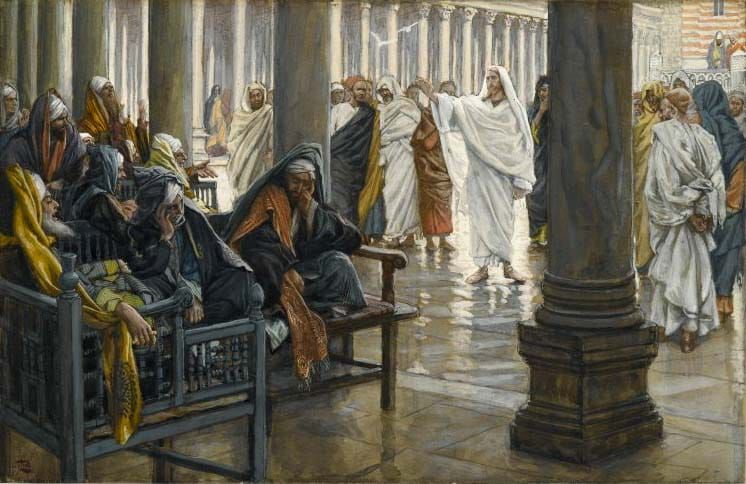
There is a peculiar kind of labour in the making of a whitewashed tomb. The work is not idleness. The lime must be slaked and mixed, the surface scraped, the coat laid on and laid on again after every season of rain, and all of it done that the passer-by might not stumble upon what lies beneath. It is diligent work, and it is entirely surface. This is the image the Lord sets before the scribes and Pharisees, and through them before every soul that reads the Gospel: whitewashed tombs, "which appear beautiful on the outside, but inside are full of dead men's bones and every kind of filth."
Set beside this a very different labour. The Apostle recalls that he did not eat food received free from anyone, but that "in toil and drudgery, night and day we worked, so as not to burden any of you." Here is work that nobody applauded, performed at hours when no one was watching, whose whole purpose was that others should be unburdened. The Psalm blesses precisely this hidden industry: "you shall eat the fruit of your handiwork; blessed shall you be, and favored." Two labours, then, and the soul is always engaged in one or the other — the labour that beautifies a surface for the eyes of men, and the labour that spends itself quietly for God and for the neighbour.
The moral question the day presses upon the soul is not whether hypocrisy is a sin; that is easily granted and as easily forgotten. The question is subtler and more searching: whom is the whitewash meant to deceive? For the peril of the hypocrite is rarely that he knows himself a fraud and persists. The peril is that the coat has been laid on so often, and with such conviction, that he has begun to believe the wall. Augustine understood this exactly. "What is there in me that could be hidden from thee, Lord, to whose eyes the abysses of man's conscience are naked?" And he adds the sentence that undoes every pretence: in refusing to confess, "I would only hide thee from myself, not myself from thee." That is the whole tragedy of the whitewash. It never conceals the soul from God; it conceals God from the soul.
The Church speaks of the remedy with great plainness. She teaches that truthfulness is "the virtue which consists in showing oneself true in deeds and truthful in words, and guarding against duplicity, dissimulation, and hypocrisy" — a virtue, that is to say, and therefore something to be practised daily and in small things, and not a temperament that one either possesses or lacks. And she insists upon the order in which the work must be done: the call to conversion "does not aim first at outward works, 'sackcloth and ashes,' fasting and mortification, but at the conversion of the heart, interior conversion. Without this, such penances remain sterile and false."
Chrysostom, preaching upon this very passage, drew out the reason with a golden precision: "the inward purity is necessarily followed by the outward, but the converse is no longer so." The direction cannot be reversed. A clean interior will show itself in time; a clean exterior guarantees nothing whatever. The practical lesson is therefore quite exact, and it can be taken up before this day is over. Let the soul make its examination not of what others saw, but of what God alone saw — the charitable word withheld because no one would have noticed its absence, the resentment carefully nursed behind a pleasant face, the small dishonesty that cost nothing because it was never discovered. It is there, in the unwitnessed places, that a man's real work is done.
And here the Gospel turns, as it always turns, toward hope. The corrupt heart, as the Holy Father has observed, is set in its ways and justifies itself, and for that reason understands neither mercy nor compassion; but a sinner can always change, because the Lord is merciful and awaits us all. The Church says the same: "The human heart is heavy and hardened. God must give man a new heart... God gives us the strength to begin anew." The soul is not commanded to whitewash the sepulchre more skilfully. It is invited to let the One who once wept at the mouth of a tomb come and call what is dead inside it out into the light. That is no burden laid upon the soul. It is the love of God, patient at the door, waiting to be let in where no one else has ever been permitted to look.
Father, before whom nothing in me is hidden, take away the whitewash I have laid so carefully over my own heart. Teach me to do in secret what I would be ashamed to do for applause, and to love the truth about myself more than the good opinion of others. Come into the tomb within me, and call out into your light whatever has died there. Through Christ our Lord. Amen.
Sources & References
- "which appear beautiful on the outside, but inside are full of dead men's bones and every kind of filth" — Matthew 23:27 (Lectionary, USCCB, 26 August 2026)
- "in toil and drudgery, night and day we worked, so as not to burden any of you" — 2 Thessalonians 3:8
- "you shall eat the fruit of your handiwork; blessed shall you be, and favored" — Psalm 128:2
- "What is there in me that could be hidden from thee, Lord, to whose eyes the abysses of man's conscience are naked?" and "I would only hide thee from myself, not myself from thee" — St. Augustine, Confessions, Book X, ch. 2
- "the inward purity is necessarily followed by the outward, but the converse is no longer so" — St. John Chrysostom, Homily 73 on Matthew
- "the virtue which consists in showing oneself true in deeds and truthful in words, and guarding against duplicity, dissimulation, and hypocrisy" — Catechism of the Catholic Church, 2505
- "does not aim first at outward works, 'sackcloth and ashes,' fasting and mortification, but at the conversion of the heart, interior conversion. Without this, such penances remain sterile and false" — Catechism of the Catholic Church, 1430
- "The human heart is heavy and hardened. God must give man a new heart... God gives us the strength to begin anew" — Catechism of the Catholic Church, 1432
- On the corrupt who "understand neither mercy nor compassion," while a sinner can change, "because the Lord is merciful and awaits us all" — Pope Francis, Homily, Holy Mass for Italian Parliamentarians, 27 March 2014 (cited in Vatican News, Word of the Day, 26 August 2026)
La cal blanca y el corazón oculto
📖 Sagrada Escritura Diaria
26 de agosto de 2026 — Miércoles de la XXI semana del Tiempo ordinario
Lecturas: 2 Tesalonicenses 3, 6-10. 16-18 • Salmo 127, 1-2. 4-5 • Mateo 23, 27-32
Hay una forma singular de trabajo en el blanquear un sepulcro. La obra no es ociosidad. Hay que apagar y mezclar la cal, raspar la superficie, dar la mano de pintura y volver a darla después de cada temporada de lluvias, y todo ello para que el que pasa no tropiece con lo que yace debajo. Es un trabajo diligente, y es enteramente superficie. Ésta es la imagen que el Señor pone delante de los escribas y fariseos, y por medio de ellos delante de toda alma que lee el Evangelio: sepulcros blanqueados, "que por fuera parecen hermosos, pero por dentro están llenos de huesos y podredumbre."
Póngase al lado de esto un trabajo muy distinto. El Apóstol recuerda que no dependió de nadie para comer, sino que "de día y de noche trabajé hasta agotarme para no serles gravoso." He aquí una labor que nadie aplaudió, realizada a horas en que nadie miraba, cuyo propósito entero era que otros quedaran aliviados de su carga. El salmo bendice precisamente esa industria escondida: "comerá del fruto de su trabajo, será dichoso, le irá bien." Dos trabajos, pues, y el alma está siempre ocupada en uno o en el otro: el trabajo que embellece una superficie para los ojos de los hombres, y el trabajo que se gasta en silencio por Dios y por el prójimo.
La cuestión moral que este día apremia sobre el alma no es si la hipocresía es pecado; eso se concede con facilidad y con la misma facilidad se olvida. La pregunta es más sutil y más penetrante: ¿a quién pretende engañar la cal blanca? Porque el peligro del hipócrita rara vez consiste en saberse falso y persistir. El peligro está en que la mano de cal se ha dado tantas veces, y con tal convicción, que ha empezado a creerse el muro. Agustín lo comprendió con exactitud: "¿Qué hay en mí que pueda ocultarse de ti, Señor, a cuyos ojos está desnudo el abismo de la conciencia humana?" Y añade la frase que deshace toda apariencia: al negarse a confesar, "sólo lograría esconderte a ti de mí, no a mí de ti." Ésa es la tragedia entera de la cal blanca. Jamás oculta el alma a Dios; oculta a Dios del alma.
La Iglesia habla del remedio con gran sencillez. Enseña que la veracidad es "la virtud que consiste en mostrarse verdadero en sus actos y en sus palabras, evitando la duplicidad, la simulación y la hipocresía": es decir, una virtud, y por tanto algo que se ejercita cada día y en las cosas pequeñas, y no un temperamento que sencillamente se tiene o no se tiene. Y insiste en el orden en que la obra debe hacerse: la llamada a la conversión "no mira, en primer lugar, a las obras exteriores, 'el saco y la ceniza', los ayunos y las mortificaciones, sino a la conversión del corazón, la penitencia interior. Sin ella, las obras de penitencia permanecen estériles y engañosas."
Crisóstomo, predicando sobre este mismo pasaje, expuso la razón con una precisión de oro: "a la pureza interior le sigue necesariamente la exterior, pero lo contrario ya no es así." La dirección no puede invertirse. Un interior limpio se manifestará con el tiempo; un exterior limpio no garantiza absolutamente nada. La lección práctica es, por tanto, muy exacta, y puede emprenderse antes de que este día termine. Que el alma haga su examen no sobre lo que otros vieron, sino sobre lo que Dios solo vio: la palabra caritativa retenida porque nadie habría notado su ausencia, el rencor cuidadosamente alimentado detrás de un rostro amable, la pequeña deshonestidad que nada costó porque nunca se descubrió. Allí, en los lugares sin testigos, es donde se hace el verdadero trabajo de un hombre.
Y aquí el Evangelio se vuelve, como siempre se vuelve, hacia la esperanza. El corazón corrompido, como ha observado el Santo Padre, está instalado en sus costumbres y se justifica a sí mismo, y por eso no entiende ni la misericordia ni la compasión; pero el pecador siempre puede cambiar, porque el Señor es misericordioso y nos espera a todos. La Iglesia dice lo mismo: "El corazón del hombre es rudo y endurecido. Es preciso que Dios dé al hombre un corazón nuevo... Dios es quien nos da la fuerza para comenzar de nuevo." Al alma no se le manda blanquear el sepulcro con mayor destreza. Se la invita a dejar que Aquel que un día lloró a la boca de un sepulcro venga y llame afuera, a la luz, lo que dentro ha muerto. Eso no es una carga puesta sobre el alma. Es el amor de Dios, paciente a la puerta, esperando que se le abra allí donde a nadie más se le ha permitido nunca mirar.
Padre, ante quien nada hay en mí escondido, quítame la cal que con tanto cuidado he extendido sobre mi propio corazón. Enséñame a hacer en secreto lo que me avergonzaría hacer por aplauso, y a amar la verdad sobre mí mismo más que la buena opinión de los demás. Entra en el sepulcro que llevo dentro y llama a tu luz aquello que allí ha muerto. Por Jesucristo nuestro Señor. Amén.
Fuentes y referencias
- "que por fuera parecen hermosos, pero por dentro están llenos de huesos y podredumbre" — Mateo 23, 27 (Leccionario, USCCB en español, 26 de agosto de 2026)
- "de día y de noche trabajé hasta agotarme para no serles gravoso" — 2 Tesalonicenses 3, 8
- "comerá del fruto de su trabajo, será dichoso, le irá bien" — Salmo 127, 2 (numeración de la Vulgata; Salmo 128 en la numeración hebrea)
- "¿Qué hay en mí que pueda ocultarse de ti, Señor, a cuyos ojos está desnudo el abismo de la conciencia humana?" y "sólo lograría esconderte a ti de mí, no a mí de ti" — San Agustín, Confesiones, libro X, cap. 2
- "a la pureza interior le sigue necesariamente la exterior, pero lo contrario ya no es así" — San Juan Crisóstomo, Homilía 73 sobre San Mateo
- "la virtud que consiste en mostrarse verdadero en sus actos y en sus palabras, evitando la duplicidad, la simulación y la hipocresía" — Catecismo de la Iglesia Católica, 2505
- "no mira, en primer lugar, a las obras exteriores, 'el saco y la ceniza', los ayunos y las mortificaciones, sino a la conversión del corazón, la penitencia interior. Sin ella, las obras de penitencia permanecen estériles y engañosas" — Catecismo de la Iglesia Católica, 1430
- "El corazón del hombre es rudo y endurecido. Es preciso que Dios dé al hombre un corazón nuevo... Dios es quien nos da la fuerza para comenzar de nuevo" — Catecismo de la Iglesia Católica, 1432
- Sobre los corruptos, que "no entienden ni la misericordia ni la compasión", mientras que el pecador sí puede cambiar, "porque el Señor es misericordioso y nos espera a todos" — Papa Francisco, Homilía, Misa con los parlamentarios italianos, 27 de marzo de 2014 (citada en Vatican News, Palabra del día, 26 de agosto de 2026)