
📖 Daily Scripture
July 20, 2026 — Monday of the Sixteenth Week in Ordinary Time
Readings: Micah 6:1-4, 6-8 • Psalm 50:5-6, 8-9, 16bc-17, 21, 23 • Matthew 12:38-42
There is a strange tenderness in the courtroom the prophet Micah describes. The Lord summons the mountains as His witnesses and calls the very foundations of the earth to attention, yet when He at last speaks, it is not in thunder but in a wounded question: "O my people, what have I done to you, or how have I wearied you? Answer me!" The Judge of all the earth pleads like a father before a child grown cold. He recites no catalogue of punishments; He recounts only mercies — the deliverance from Egypt, the release from slavery, the sending of Moses, Aaron, and Miriam. The soul that listens honestly to this pleading discovers that God's case against it is nothing other than a history of kindnesses it has ceased to remember.
The prophet then asks the question every soul in every age has asked: with what shall I come before the Lord? Shall it be burnt offerings, thousands of rams, myriad streams of oil, even the firstborn of the body? The very escalation betrays the anxiety beneath it, for it is the arithmetic of one who would rather pay God than walk with Him. And the answer dismantles the arithmetic entirely: "You have been told, O man, what is good, and what the LORD requires of you: Only to do the right and to love goodness, and to walk humbly with your God." What God asks is not a payment but a companionship; not the contents of the treasury but the disposition of the heart.
The Psalm carries the same lesson into the sanctuary itself. God takes no bullock from the house of the one who recites His statutes yet casts His words behind him; it is the one who offers praise as a sacrifice who glorifies Him. The Church teaches that outward sacrifice, to be genuine, must be the expression of spiritual sacrifice, and she has always remembered the warning of St. Cyprian that God does not accept the sacrifice of a sower of disunion. Worship divorced from justice and charity is not merely incomplete; it is the very thing the prophets were sent to unmask.
In the Gospel this refusal of the heart takes a subtler form. The scribes and Pharisees ask for a sign, though signs in abundance had already been worked before their eyes. Their system was complete, their law well organized, and there was no room left in it for the God who acts. Pope Francis, meditating on this very scene, pressed the question inward: am I attached to my things, to my ideas, closed — or am I open to the God of surprises? The demand for signs is often refusal disguised as piety; the soul sets the terms upon which it will consent to believe, and calls the setting of terms faith.
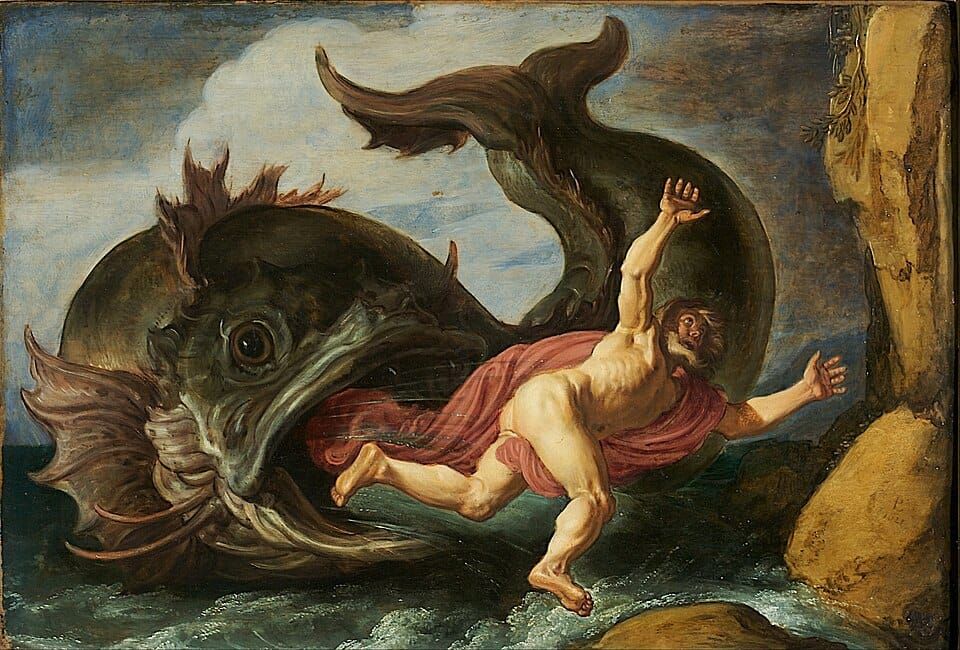
To such a generation only one sign is given: the sign of Jonah, three days and three nights in the heart of the earth — the death and rising of the Lord Himself. The men of Nineveh repented at far less; the queen of the south crossed the world for far less; and something greater than Jonah, greater than Solomon, is here. The Catechism observes that the call of Jesus to conversion does not aim first at outward works, sackcloth and ashes, fasting and mortification, but at the conversion of the heart, interior conversion. Here, then, is the lesson the readings press upon the soul: not to multiply offerings, nor to demand of God some further proof, but to do this day one act of justice without display, to love goodness rather than perform it, and to take one humble step at His side.
St. Augustine confessed what every restless heart discovers at last: You have made us for yourself, O Lord, and our heart is restless until it rests in you. To walk humbly with God is that rest — a rest that moves, a stillness that advances. The sign has already been given; the tomb is already empty; and the God who once pleaded with Israel from the mountaintops now pleads with each soul from the Cross, not for its rams and rivers of oil, but for its love.
Lord Jesus, greater than Jonah and wiser than Solomon, teach me to cease demanding signs and to read the mercies You have already written into my life. Give me a heart that does right without display, that loves goodness without seeking reward, and that walks humbly at Your side. Make within me the sacrifice of praise You will not despise. Through Christ our Lord. Amen.
Sources & References
- "O my people, what have I done to you…"; "Only to do the right and to love goodness, and to walk humbly with your God" — Micah 6:1-4, 6-8 (First Reading, USCCB Lectionary 395)
- "He that offers praise as a sacrifice glorifies me" — Psalm 50:5-6, 8-9, 16bc-17, 21, 23 (Responsorial Psalm)
- "An evil and unfaithful generation seeks a sign… the sign of Jonah"; "there is something greater than Jonah here" — Matthew 12:38-42 (Gospel)
- "Outward sacrifice, to be genuine, must be the expression of spiritual sacrifice" — Catechism of the Catholic Church, 2100
- "the conversion of the heart, interior conversion" — Catechism of the Catholic Church, 1430
- "God does not accept the sacrifice of a sower of disunion" — St. Cyprian of Carthage, On the Lord's Prayer (De Dominica Oratione) 23, as cited in CCC 2845
- "You have made us for yourself, O Lord, and our heart is restless until it rests in you" — St. Augustine, Confessions I, 1
- "Am I attached to my things, to my ideas, closed? Or am I open to the God of surprises?" — Pope Francis, Homily at Santa Marta, 13 October 2014 (Vatican News, "Word of the Day," 20 July 2026)
- Daily readings: USCCB, bible.usccb.org, July 20, 2026
Caminar humildemente con tu Dios
📖 Sagrada Escritura Diaria
20 de julio de 2026 — Lunes de la XVI semana del Tiempo ordinario
Lecturas: Miqueas 6, 1-4. 6-8 • Salmo 49, 5-6. 8-9. 16bc-17. 21 y 23 • Mateo 12, 38-42
Hay una extraña ternura en el tribunal que describe el profeta Miqueas. El Señor convoca a los montes como testigos y llama la atención de los cimientos mismos de la tierra; pero cuando al fin habla, no lo hace con truenos, sino con una pregunta herida: "Pueblo mío, ¿qué mal te he causado o en qué cosa te he ofendido? Respóndeme". El Juez de toda la tierra suplica como un padre ante un hijo que se ha vuelto frío. No recita un catálogo de castigos; recuenta solamente misericordias: la salida de Egipto, la liberación de la esclavitud, el envío de Moisés, Aarón y María. El alma que escucha con honestidad esta súplica descubre que el pleito de Dios contra ella no es otra cosa que una historia de bondades que ha dejado de recordar.
El profeta pregunta entonces lo que toda alma en toda época ha preguntado: ¿qué cosa digna le ofreceré al Señor? ¿Serán holocaustos, un millar de carneros, diez mil ríos de aceite, incluso el primogénito de las entrañas? La escalada misma delata la ansiedad que la sostiene, pues es la aritmética de quien prefiere pagarle a Dios antes que caminar con Él. Y la respuesta desmonta por completo esa aritmética: "Hombre, ya te he explicado lo que es bueno, lo que el Señor desea de ti: que practiques la justicia y ames la lealtad y que seas humilde con tu Dios". Lo que Dios pide no es un pago sino una compañía; no el contenido del tesoro, sino la disposición del corazón.
El Salmo lleva la misma lección hasta el santuario mismo. Dios no acepta becerros de la casa de quien cita sus preceptos y, sin embargo, echa en saco roto sus mandatos; quien las gracias le da, ése le honra. La Iglesia enseña que el sacrificio exterior, para ser auténtico, debe ser expresión del sacrificio espiritual, y siempre ha recordado la advertencia de san Cipriano de que Dios no acepta el sacrificio de los que provocan la desunión. El culto divorciado de la justicia y de la caridad no es simplemente incompleto; es precisamente aquello que los profetas fueron enviados a desenmascarar.
En el Evangelio esta negativa del corazón toma una forma más sutil. Los escribas y fariseos piden una señal, aunque señales en abundancia ya se habían obrado ante sus ojos. Su sistema estaba completo, su ley bien organizada, y no quedaba en él lugar para el Dios que actúa. El Papa Francisco, meditando sobre esta misma escena, dirigió la pregunta hacia dentro: ¿estoy apegado a mis cosas, a mis ideas, cerrado, o estoy abierto al Dios de las sorpresas? La exigencia de señales es a menudo un rechazo disfrazado de piedad; el alma fija las condiciones bajo las cuales consentirá en creer, y llama fe a ese fijar condiciones.
A semejante generación solo se le da una señal: la señal de Jonás, tres días y tres noches en el seno de la tierra: la muerte y la resurrección del Señor mismo. Los habitantes de Nínive se convirtieron con mucho menos; la reina del sur cruzó el mundo por mucho menos; y aquí hay alguien más grande que Jonás, más grande que Salomón. El Catecismo observa que la llamada de Jesús a la conversión no mira, en primer lugar, a las obras exteriores, "el saco y la ceniza", los ayunos y las mortificaciones, sino a la conversión del corazón, la penitencia interior. He aquí, pues, la lección que las lecturas imprimen en el alma: no multiplicar ofrendas ni exigir a Dios una prueba más, sino hacer hoy un acto de justicia sin ostentación, amar la bondad en lugar de representarla, y dar un paso humilde a su lado.
San Agustín confesó lo que todo corazón inquieto descubre al fin: Nos hiciste, Señor, para ti, y nuestro corazón está inquieto hasta que descanse en ti. Caminar humildemente con Dios es ese descanso: un descanso que se mueve, una quietud que avanza. La señal ya ha sido dada; el sepulcro ya está vacío; y el Dios que un día suplicaba a Israel desde los montes suplica ahora a cada alma desde la Cruz, no por sus carneros ni sus ríos de aceite, sino por su amor.
Señor Jesús, más grande que Jonás y más sabio que Salomón, enséñame a dejar de exigir señales y a leer las misericordias que ya has escrito en mi vida. Dame un corazón que practique la justicia sin ostentación, que ame la bondad sin buscar recompensa y que camine humildemente a tu lado. Haz dentro de mí el sacrificio de alabanza que tú no desprecias. Por Jesucristo nuestro Señor. Amén.
Fuentes y referencias
- "Pueblo mío, ¿qué mal te he causado…?"; "que practiques la justicia y ames la lealtad y que seas humilde con tu Dios" — Miqueas 6, 1-4. 6-8 (Primera lectura, USCCB en español, Leccionario 395)
- "Quien las gracias me da, ése me honra"; "Dios salva al que cumple su voluntad" — Salmo 49, 5-6. 8-9. 16bc-17. 21 y 23 (Salmo responsorial)
- "la única señal que se le dará, será la del profeta Jonás"; "aquí hay alguien más grande que Jonás" — Mateo 12, 38-42 (Evangelio)
- "El sacrificio exterior, para ser auténtico, debe ser expresión del sacrificio espiritual" — Catecismo de la Iglesia Católica, 2100
- "la conversión del corazón, la penitencia interior" — Catecismo de la Iglesia Católica, 1430
- "Dios no acepta el sacrificio de los que provocan la desunión" — San Cipriano de Cartago, Sobre la oración del Señor (De Dominica Oratione) 23, citado en CIC 2845
- "Nos hiciste, Señor, para ti, y nuestro corazón está inquieto hasta que descanse en ti" — San Agustín, Confesiones I, 1
- "¿Estoy apegado a mis cosas, a mis ideas, cerrado? ¿O estoy abierto al Dios de las sorpresas?" — Papa Francisco, Homilía en Santa Marta, 13 de octubre de 2014 (Vatican News, "La Palabra del día", 20 de julio de 2026)
- Lecturas diarias: USCCB, bible.usccb.org/es, 20 de julio de 2026