
📖 Daily Scripture
Thursday, October 29, 2026 — Thursday of the Thirtieth Week in Ordinary Time
Readings: Ephesians 6:10-20 • Psalm 144:1b, 2, 9-10 • Luke 13:31-35
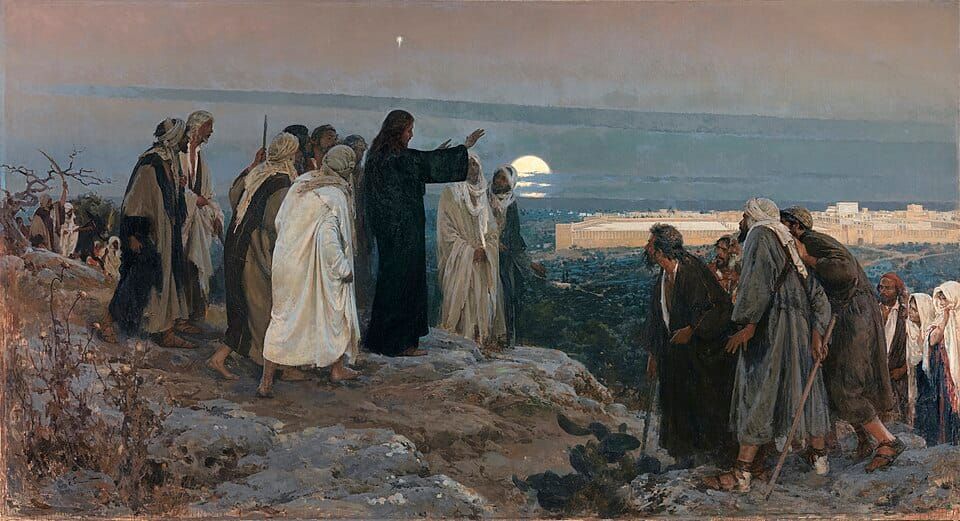
There is a strange and tender pairing in the readings of this day. Saint Paul, writing as "an ambassador in chains," bids the soul "put on the armor of God": the belt of truth, the breastplate of righteousness, the shield of faith, the helmet of salvation, and the sword of the Spirit; and all his imagery is of steel and contest, of one who must stand and hold his ground. Yet in the Gospel the Lord, warned that Herod seeks His life, answers not in the language of the soldier but in that of the hearth: "how many times I yearned to gather your children together as a hen gathers her brood under her wings, but you were unwilling!" The soul may wonder how these belong together, the panoply of the warrior and the shelter of a mother's wing; and yet it is precisely in their union that the lesson of the day is found.
For the armor of which the Apostle speaks is not forged by the soul's own industry. It is the armor of God, and he bids the soul "draw your strength from the Lord and from his mighty power." The soul which attempts the spiritual combat in its own strength, trusting to its resolutions, its temperament, its long habit of respectability, is like a fledgling that has wandered from the brood and resolves to face the hawk alone; its courage may be admirable, but its end is not in doubt. The first act of the Christian warfare, therefore, is not an act of aggression but of surrender: to come in beneath the wing, to consent to be gathered. Only the soul that has allowed itself to be sheltered can be truly armed.
Here lies the sober warning of the Gospel. Jerusalem did not perish for want of a protector; she perished because she was unwilling. The tragedy Christ laments is not weakness but refusal, a heart that preferred its own walls to His wings. And the same refusal may lurk, quietly and respectably, in any soul: in the neglect of prayer under the pretext of busyness, in a reliance upon one's own plans rather than upon grace, in the secret preference for a self-made security over a dependence that feels humbling. The Church names the matter plainly: "prayer is a battle. Against whom? Against ourselves and against the wiles of the tempter who does all he can to turn man away from prayer, away from union with God." It is no accident that the Apostle's catalogue of armor ends not with another weapon but with a command, to "pray at every opportunity in the Spirit." Prayer is the very act by which the soul comes beneath the wing, and the war against prayer is the enemy's subtlest stratagem, for he knows that a soul which will not be gathered cannot be armed.
Nor is this the work of a single day. Our Lord, threatened by "that fox," neither flees nor hurries; He continues "on my way today, tomorrow, and the following day," steadily toward Jerusalem and the Cross. The soul is asked to share that same quiet perseverance. "The way of perfection passes by way of the Cross. There is no holiness without renunciation and spiritual battle." The renunciation asked is often humble enough: an hour of prayer kept when it would be easier to omit it, an examination of conscience made honestly at night, a return to the confessional when pride would rather wait. These are the daily girding of the loins with truth and the daily lifting of the shield of faith.
Saint Augustine knew the long cost of being unwilling, and confessed at last to God: "You have made us for Yourself, and our hearts are restless until they rest in You." Restlessness is the wandering of the young bird from the brood; rest is its return beneath the wing. And Tertullian, writing in an age when Christians were hunted as Herod hunted the Lord, could say with serene defiance, "The oftener we are mown down by you, the more in number we grow; the blood of Christians is seed." Those whom Christ has gathered cannot finally be scattered by any foe.
Pope Francis, reflecting upon this very Gospel, observed that God "cannot help but love," and that "God weeps over me, when I am separated from him." Here at last is the soul's consolation. The Lord's lament over Jerusalem is not the verdict of a judge but the grief of a love that still waits, its wings still open. However long the soul has been unwilling, the shelter has not been withdrawn. To come in beneath it is to find, in the same moment, both rest and armor, and to discover that the Rock who trains the hands for battle is the same Heart that yearns to gather the soul home.
Lord Jesus, gather me beneath Your wings whenever I am inclined to wander, and clothe me with a strength that is Yours and not my own. Teach me to pray when prayer is a battle, and to persevere today, tomorrow, and the following day, until my restless heart rests in You. Through Christ our Lord. Amen.
Sources & References
- "an ambassador in chains"; "put on the armor of God"; "draw your strength from the Lord and from his mighty power"; "pray at every opportunity in the Spirit"; belt of truth, breastplate of righteousness, shield of faith, helmet of salvation, sword of the Spirit — Ephesians 6:10-20 (USCCB Lectionary, October 29, 2026)
- The Rock who trains the hands for battle — Psalm 144:1b, 2, 9-10 (refrain: "Blessed be the Lord, my Rock!")
- "how many times I yearned to gather your children together as a hen gathers her brood under her wings, but you were unwilling!"; "that fox"; "on my way today, tomorrow, and the following day" — Luke 13:31-35
- "prayer is a battle. Against whom? Against ourselves and against the wiles of the tempter who does all he can to turn man away from prayer, away from union with God." — Catechism of the Catholic Church, 2725
- "The way of perfection passes by way of the Cross. There is no holiness without renunciation and spiritual battle." — Catechism of the Catholic Church, 2015
- "You have made us for Yourself, and our hearts are restless until they rest in You." — St. Augustine, Confessions, Book I, ch. 1 (trans. J. G. Pilkington, NPNF I/1)
- "The oftener we are mown down by you, the more in number we grow; the blood of Christians is seed." — Tertullian, Apology, ch. 50 (trans. S. Thelwall, ANF 3)
- God "cannot help but love"; "God weeps over me, when I am separated from him" — Pope Francis, homily at Casa Santa Marta, October 29, 2015, on Luke 13:31-35, as presented in Vatican News, "Word of the Day," October 30, 2025 (today's 2026 entry was not yet published)
Bajo sus alas, revestidos de su fortaleza
📖 Sagrada Escritura Diaria
Jueves, 29 de octubre de 2026 — Jueves de la XXX semana del Tiempo ordinario
Lecturas: Efesios 6, 10-20 • Salmo 143, 1. 2. 9-10 • Lucas 13, 31-35
Hay un emparejamiento extraño y tierno en las lecturas de este día. San Pablo, que escribe como embajador del Evangelio "aunque estoy encadenado", exhorta al alma a revestirse "con la armadura de Dios": el cinturón de la verdad, la coraza de la justicia, el escudo de la fe, el casco de la salvación y la espada del espíritu; y toda su imagen es de acero y de contienda, de quien debe resistir y mantenerse firme. Sin embargo, en el Evangelio el Señor, advertido de que Herodes busca su vida, no responde con el lenguaje del soldado, sino con el del hogar: "¡Cuántas veces he querido reunir a tus hijos, como la gallina reúne a sus pollitos bajo las alas, pero tú no has querido!" El alma puede preguntarse cómo se corresponden ambas cosas, la panoplia del guerrero y el amparo del ala materna; y, sin embargo, es precisamente en su unión donde se halla la lección de este día.
Porque la armadura de la que habla el Apóstol no la forja la industria del alma. Es la armadura de Dios, y él exhorta al alma: "Busquen su fortaleza en el Señor y en su invencible poder". El alma que emprende el combate espiritual con sus propias fuerzas, confiada en sus propósitos, en su temperamento, en su larga costumbre de respetabilidad, se parece a un polluelo que se ha apartado de la nidada y resuelve enfrentarse solo al gavilán; su valor podrá ser admirable, pero su fin no ofrece duda. El primer acto de la milicia cristiana no es, por tanto, un acto de agresión, sino de entrega: entrar bajo el ala, consentir en ser reunido. Solo el alma que se ha dejado amparar puede estar verdaderamente armada.
Aquí está la grave advertencia del Evangelio. Jerusalén no pereció por falta de protector; pereció porque no quiso. La tragedia que Cristo lamenta no es la debilidad, sino el rechazo, un corazón que prefirió sus propias murallas a las alas del Señor. Y ese mismo rechazo puede esconderse, callada y respetablemente, en cualquier alma: en el descuido de la oración con pretexto de las ocupaciones, en la confianza puesta en los propios planes más que en la gracia, en la secreta preferencia por una seguridad fabricada por uno mismo antes que por una dependencia que parece humillante. La Iglesia lo dice con claridad: "la oración es un combate. ¿Contra quién? Contra nosotros mismos y contra las astucias del Tentador que hace todo lo posible por separar al hombre de la oración, de la unión con su Dios". No es casual que el catálogo de la armadura del Apóstol no termine con otra arma, sino con un mandato: "oren y supliquen continuamente". La oración es el acto mismo por el cual el alma entra bajo el ala, y la guerra contra la oración es la estratagema más sutil del enemigo, porque sabe que un alma que no se deja reunir no puede ser armada.
Tampoco es esta obra de un solo día. Nuestro Señor, amenazado por "ese zorro", ni huye ni se apresura; dice: "hoy, mañana y pasado mañana tengo que seguir mi camino", con paso firme hacia Jerusalén y hacia la Cruz. Al alma se le pide compartir esa misma perseverancia serena. "El camino de la perfección pasa por la cruz. No hay santidad sin renuncia y sin combate espiritual". La renuncia que se pide suele ser bastante humilde: una hora de oración guardada cuando sería más fácil omitirla, un examen de conciencia hecho con honradez por la noche, un regreso al confesionario cuando el orgullo preferiría esperar. Esto es ceñirse cada día el cinturón de la verdad y levantar cada día el escudo de la fe.
San Agustín conoció el largo precio de no querer, y al fin confesó a Dios: "nos has hecho para ti y nuestro corazón está inquieto mientras no descansa en ti". La inquietud es el extravío del polluelo lejos de la nidada; el descanso es su regreso bajo el ala. Y Tertuliano, escribiendo en una época en que los cristianos eran perseguidos como Herodes perseguía al Señor, pudo decir con serena firmeza que "la sangre de los cristianos es semilla". A quienes Cristo ha reunido, ningún enemigo puede dispersarlos definitivamente.
El Papa Francisco, meditando este mismo Evangelio, observó que Dios "no puede dejar de amar", y que "Dios llora por mí cuando me alejo de él". He aquí, por fin, el consuelo del alma. El lamento del Señor sobre Jerusalén no es la sentencia de un juez, sino el dolor de un amor que todavía espera, con las alas todavía abiertas. Por mucho tiempo que el alma no haya querido, el amparo no le ha sido retirado. Entrar bajo él es hallar, en el mismo instante, descanso y armadura, y descubrir que la Roca que adiestra las manos para la lucha es el mismo Corazón que anhela reunir al alma en su hogar.
Señor Jesús, recógeme bajo tus alas siempre que me incline a extraviarme, y revísteme de una fortaleza que sea tuya y no mía. Enséñame a orar cuando la oración es un combate, y a perseverar hoy, mañana y pasado mañana, hasta que mi corazón inquieto descanse en ti. Por Jesucristo nuestro Señor. Amén.
Fuentes y referencias
- "aunque estoy encadenado"; "revístanse con la armadura de Dios"; "Busquen su fortaleza en el Señor y en su invencible poder"; "oren y supliquen continuamente"; cinturón de la verdad, coraza de la justicia, escudo de la fe, casco de la salvación, espada del espíritu — Efesios 6, 10-20 (Leccionario, USCCB en español, 29 de octubre de 2026)
- La Roca que adiestra las manos para la lucha — Salmo 143, 1. 2. 9-10 (estribillo: "Bendito sea el Señor, mi fortaleza")
- "¡Cuántas veces he querido reunir a tus hijos, como la gallina reúne a sus pollitos bajo las alas, pero tú no has querido!"; "ese zorro"; "hoy, mañana y pasado mañana tengo que seguir mi camino" — Lucas 13, 31-35
- "la oración es un combate. ¿Contra quién? Contra nosotros mismos y contra las astucias del Tentador que hace todo lo posible por separar al hombre de la oración, de la unión con su Dios" — Catecismo de la Iglesia Católica, 2725
- "El camino de la perfección pasa por la cruz. No hay santidad sin renuncia y sin combate espiritual" — Catecismo de la Iglesia Católica, 2015
- "nos has hecho para ti y nuestro corazón está inquieto mientras no descansa en ti" — San Agustín, Confesiones, 1, 1, 1 (según la versión citada en el Catecismo de la Iglesia Católica, 30)
- "la sangre de los cristianos es semilla" — Tertuliano, Apologético, 50
- Dios "no puede dejar de amar"; "Dios llora por mí cuando me alejo de él" — Papa Francisco, homilía en la Casa Santa Marta, 29 de octubre de 2015, sobre Lucas 13, 31-35, según Vatican News, "Palabra del día", 30 de octubre de 2025 (traducción propia de la versión inglesa; la entrada de 2026 aún no estaba publicada)