Weekly Bible Study: Thirtieth Sunday in Ordinary Time

The whole law hangs on love. God hears the cry of the alien, the widow, and the poor man who lent his only cloak; a young Church turns from idols and becomes a model for others; and Jesus gathers every commandment into two.

CHRIST BEARER APOSTOLATE
THE WEEKLY BIBLE STUDY
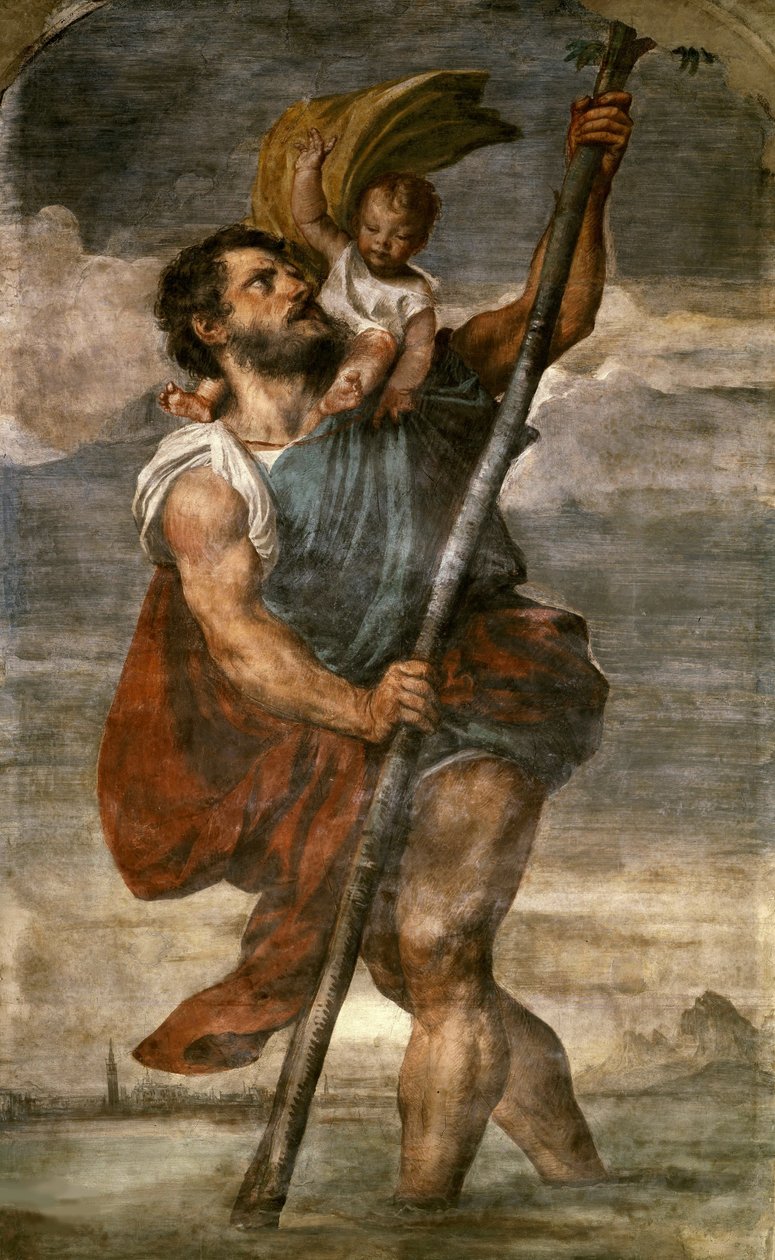
St. Christopher carrying the Christ child
Catholic Bible Study
Thirtieth Sunday in Ordinary Time · Year A
October 25, 2026 · Lectionary 148
Theme: The whole law hangs on love. God hears the cry of the alien, the widow, and the poor man who lent his only cloak; a young Church turns from idols and becomes a model for others; and Jesus gathers every commandment into two: love God with everything, and love your neighbor as yourself.
 

Dear Christ Bearers,

For several years now we have gathered every week to study the coming Sunday’s readings together. Along the way, many of you have asked us to share these studies so that others could learn from them too. So, starting this week, we will send the study out every Friday and post it on our website.

Read it before Mass, pray through it at home, or work through it with your family or a friend.

Opening Prayer
O Lord Jesus Christ, open the eyes of my heart that I may hear your Word, and understand and do your will. Do not hide your commandments from me, but open my eyes, that I may perceive the wonders of your Law. Speak to me the hidden and secret things of your wisdom. On you I set my hope, O my God, that you shall enlighten my mind and understanding with the light of your knowledge; not only to cherish those things which are written, but to do them; For you are the enlightenment of those who lie in darkness, and from you comes every good deed and every gift. Amen.
Introduction

This Sunday shows what love looks like when it has to be lived out. In Exodus, right after the Ten Commandments, God spells out what His law means on the ground: do not oppress the foreigner, do not wrong the widow or the orphan, do not squeeze the poor man with interest, and give back the cloak he pledged before the sun goes down, because it is the only blanket he has. “If he cries out to me, I will hear him; for I am compassionate.” The Psalm answers with a man’s simple declaration: “I love you, Lord, my strength.” Paul praises the Thessalonians, who “turned to God from idols to serve the living and true God,” and whose changed lives became a model talked about across Greece. And in the Gospel, a scholar of the law tests Jesus with the question rabbis debated for centuries: which commandment is the greatest? Jesus answers with two, love of God and love of neighbor, and says the whole law and the prophets hang on them.

For us, the thread is that love is not a feeling but a way of handling people, money, and power. Exodus does not talk about warm hearts; it talks about loans, collateral, and the way the stronger treat the weaker. God takes it personally when the vulnerable are squeezed, because He hears their cry. Jesus will not let us split the two great commandments: we cannot love the God we cannot see while we mistreat the neighbor we can see. And the Thessalonians show that real conversion is visible. They turned from their idols, and the whole region noticed. The question for each of us this week is simple: if the people who depend on me and the people who owe me were asked how I treat them, would they say I love God?

Readings for This Study

First Reading: Exodus 22:20-26

Responsorial Psalm: Psalm 18:2-3, 3-4, 47, 51 (“I love you, Lord, my strength.”)

Second Reading: 1 Thessalonians 1:5c-10

Gospel: Matthew 22:34-40

First Reading — Exodus 22:20-26
THE READING
Thus says the LORD: “You shall not molest or oppress an alien, for you were once aliens yourselves in the land of Egypt. You shall not wrong any widow or orphan. If ever you wrong them and they cry out to me, I will surely hear their cry. My wrath will flare up, and I will kill you with the sword; then your own wives will be widows, and your children orphans. If you lend money to one of your poor neighbors among my people, you shall not act like an extortioner toward him by demanding interest from him. If you take your neighbor’s cloak as a pledge, you shall return it to him before sunset; for this cloak of his is the only covering he has for his body. What else has he to sleep in? If he cries out to me, I will hear him; for I am compassionate.”
 
Key Idea: God’s law is love made concrete. He binds His people to protect those who cannot protect themselves, the foreigner, the widow, the orphan, and the poor borrower, and He warns that He personally hears their cry.
1. The Ten Commandments applied to real life
  • This reading comes from the section of Exodus that follows right after the Ten Commandments at Mount Sinai (Exodus 21–23). Ancient covenants usually set out a few basic laws and then a longer list of specific applications. Israel’s covenant has the same shape: first the “Ten Words,” then the “ordinances” that show what those words mean in daily life.
    • Some of these laws are absolute commands: “You shall not molest or oppress an alien.” Others are case law: “If you lend money… If you take your neighbor’s cloak as a pledge…” Our short reading contains both kinds.
    • Israel’s law resembles other ancient law codes, such as the famous Code of Hammurabi, but where they address the same situation the remedy is often different. Israel’s law stands out for the protections it gives the weak: limits on servitude, protection for slaves, and the laws in this reading for the foreigner, the widow, the orphan, and the poor.
    • The Ten Commandments themselves already have a two-part shape. The first three govern Israel’s relationship with God, its Father; the other seven govern how His children, brothers and sisters, treat one another. Each one spells out what it means for Israel to be holy, set apart for God, in one area of life. Jesus’ answer in this Sunday’s Gospel has the same two-tablet shape: love God, and love your neighbor.
  • Ex 22:20-26 is the commandment “You shall not steal” and “You shall not kill” worked out in the marketplace and at the city gate. The question is not only “Did I break a law?” but “How did I use my strength against someone weaker?”
  • Deuteronomy 10:18-19 — God Himself is the model: He “executes justice for the orphan and the widow, and loves the resident alien, giving them food and clothing. So you too should love the resident alien, for that is what you were in the land of Egypt.”
  • CCC 2449 — “Beginning with the Old Testament, all kinds of juridical measures (the jubilee year of forgiveness of debts, prohibition of loans at interest and the keeping of collateral, the obligation to tithe, the daily payment of the day-laborer, the right to glean vines and fields) answer the exhortation of Deuteronomy: ‘For the poor will never cease out of the land; therefore I command you, “You shall open wide your hand to your brother, to the needy and to the poor in the land.”’”

Living it: Most of us will never be tempted to commit a dramatic crime. Our temptations look like this reading: how we pay the people who work for us, how we treat the tenant, the borrower, the employee, the new coworker who does not speak the language well. God’s law reaches into the ordinary places where we have the upper hand.

2. The alien, the widow, and the orphan
  • In the ancient world these three had no one to stand up for them. A foreigner had no clan, no land, and no vote; a widow had no husband to defend her in court; an orphan had no father. They were the easiest people in town to cheat. God names them on purpose and puts Himself in the place of their protector.
    • The motive is memory: “for you were once aliens yourselves in the land of Egypt.” Israel is to treat the outsider the way it wishes it had been treated as a slave.
    • Leviticus 19:34 — “You shall treat the alien who resides with you no differently than the natives born among you; you shall love the alien as yourself; for you too were once aliens in the land of Egypt. I, the LORD, am your God.” Notice the phrase “love… as yourself,” the same words Jesus quotes in the Gospel.
  • “I will surely hear their cry.” These are the words God spoke at the burning bush. Exodus 3:7 — “I have witnessed the affliction of my people in Egypt and have heard their cry against their taskmasters, so I know well what they are suffering.” If Israel oppresses the weak, it puts itself in the place of Pharaoh, and God will act as He did against Pharaoh.
    • The warning is measure for measure: “then your own wives will be widows, and your children orphans.”
    • Psalm 68:6 — “Father of the fatherless, defender of widows.”
    • Exodus 23:9 — the same law repeated a chapter later, with the reason spelled out: “You shall not oppress a resident alien; you well know how it feels to be an alien, since you were once aliens yourselves in the land of Egypt.”
    • Isaiah 1:17 — the prophets kept calling Israel back to it: “learn to do good. Make justice your aim: redress the wronged, hear the orphan’s plea, defend the widow.”
    • James 1:27 — “Religion that is pure and undefiled before God and the Father is this: to care for orphans and widows in their affliction and to keep oneself unstained by the world.”
  • CCC 2241 — “The more prosperous nations are obliged, to the extent they are able, to welcome the foreigner in search of the security and the means of livelihood which he cannot find in his country of origin… Immigrants are obliged to respect with gratitude the material and spiritual heritage of the country that receives them, to obey its laws and to assist in carrying civic burdens.”
  • The Shepherd of Hermas (c. 140), one of the most widely read books of the early Church, reminds Christians that they too are foreigners in this world: “You know that you who are the servants of God dwell in a strange land; for your city is far away from this one… Instead of lands, therefore, buy afflicted souls, according as each one is able, and visit widows and orphans, and do not overlook them; and spend your wealth and all your preparations, which you received from the Lord, upon such lands and houses.” (Similitude 1).

Living it: Every parish has its widows, every school its kids without a father at home, every town its newcomers. We do not have to solve immigration policy to keep this commandment. We have to know their names. Who in your circle has no one to stand up for them, and what would it look like for you to be that person?

3. No interest from the poor, and the cloak back by sunset
  • The loan in view is not a business investment but a loan to a poor neighbor who needs it to survive. Charging him interest turns his emergency into your profit. God calls that acting “like an extortioner.”
    • The Hebrew word for interest, נֶשֶׁךְ (nešek), comes from the verb “to bite.” Interest on a poor man’s loan is a bite taken out of him.
    • Luke 6:35 — Jesus pushes it further: “love your enemies and do good to them, and lend expecting nothing back; then your reward will be great and you will be children of the Most High.”
  • The pledged cloak. A poor man might hand over his outer cloak as collateral, but that cloak was also his blanket at night. God allows the pledge but not the cruelty: give it back before sunset.
    • Deuteronomy 24:12-13 — “If the person is poor, you shall not sleep in the pledged garment, but shall definitely return it at sunset, so that your neighbor may sleep in the garment and bless you. That will be your justice before the LORD, your God.”
    • Amos 2:8 — the prophet later condemns the rich who ignored this law: “Upon garments taken in pledge they recline beside any altar.” They went to worship lying on the blankets of the poor.
  • “For I am compassionate.” The Hebrew word is חַנּוּן (ḥannûn), “gracious.” It is the same word God uses when He reveals His own name to Moses: Exodus 34:6 — “The LORD, the LORD, a God gracious and merciful, slow to anger and abounding in love and fidelity.” The law about the cloak is a window into who God is.
  • St. Ambrose, Doctor of the Church (c. 391), teaching his clergy from these very laws: “It forbids the labourer to be deprived of his hire, and orders money to be returned without usury. It is a mark of kindly feeling to help him who has nothing, but it is a sign of a hard nature to extort more than one has given. If a man has need of your assistance because he has not enough of his own wherewith to repay a debt, is it not a wicked thing to demand under the guise of kindly feeling a larger sum from him who has not the means to pay off a less amount?” (On the Duties of the Clergy III.3.20).
    • Leviticus 25:36-37 — the law against profiting from a brother’s need: “Do not exact interest in advance or accrued interest, but out of fear of God let your kindred live with you. Do not give your money at interest or your food at a profit.”

Living it: Think about every place you hold something over another person: a loan to a relative, a security deposit, a late payment, a debt someone cannot repay. God asks one question: what will this person sleep in tonight? Use your leverage the way God uses His, with compassion.

Discussion
  1. Where do I have the upper hand over someone weaker, at work, as a landlord or lender, in my family, and how am I using it?
  2. Who are the “widows, orphans, and aliens” in my parish or neighborhood? Do I know any of them by name?
  3. Israel was told to remember that it had been a slave in Egypt. What memory of my own need or weakness should make me gentler with others?
  4. God says, “If he cries out to me, I will hear him.” Is there anyone whose cry against me God might be hearing?
Second Reading — 1 Thessalonians 1:5c-10
THE READING
Brothers and sisters: “You know what sort of people we were among you for your sake. And you became imitators of us and of the Lord, receiving the word in great affliction, with joy from the Holy Spirit, so that you became a model for all the believers in Macedonia and in Achaia. For from you the word of the Lord has sounded forth not only in Macedonia and in Achaia, but in every place your faith in God has gone forth, so that we have no need to say anything. For they themselves openly declare about us what sort of reception we had among you, and how you turned to God from idols to serve the living and true God and to await his Son from heaven, whom he raised from the dead, Jesus, who delivers us from the coming wrath.”
 
Key Idea: Conversion is visible. The Thessalonians imitated Paul and the Lord, held on to joy under persecution, and turned from idols so completely that people across Greece were talking about it before Paul ever arrived.
1. Imitators of us and of the Lord
  • Last week Paul thanked God for this young church. Now he describes how the faith took hold: the Thessalonians watched “what sort of people we were among you,” and they began to live the same way. Faith was passed on the way a trade is passed from a master to an apprentice, by watching and copying.
    • The word is μιμηταί (mimētai), “imitators,” the root of our word “mimic.” They imitated Paul, and through Paul, the Lord.
    • 1 Corinthians 11:1 — “Be imitators of me, as I am of Christ.”
    • Philippians 3:17 — “Join with others in being imitators of me, brothers, and observe those who thus conduct themselves according to the model you have in us.”
  • “In great affliction, with joy from the Holy Spirit.” The church was born in a riot (Acts 17:5-9) and lived under pressure from its neighbors. Suffering for the gospel made them more like Christ and His apostles, and the Holy Spirit gave a joy that persecution could not take away.
    • Matthew 5:11-12 echoes here: those insulted and persecuted for Jesus’ sake are blessed and told to rejoice.
  • St. Ignatius of Antioch (c. 107), on how Christians win over a hostile world: “See, then, that they be instructed by your works, if in no other way. Be meek in response to their wrath, humble in opposition to their boasting: to their blasphemies return your prayers… and let us seek to be followers of the Lord (who ever more unjustly treated, more destitute, more condemned?)” (Letter to the Ephesians 10).

Living it: Someone is imitating you right now: a child or grandchild, a younger coworker, a friend who is watching to see if your faith is real. You will pass on your habits whether you mean to or not. Make sure the person they are copying is copying Christ.

2. A model whose faith “sounded forth”
  • The Thessalonians became a “model” for believers in Macedonia (northern Greece) and Achaia (southern Greece, where Paul was writing from Corinth). Their faith had “sounded forth” like a trumpet blast, so that Paul no longer needed to tell people about them; travelers were already talking.
    • “Model” is τύπος (typos), the mark left by a seal or a stamp. Their lives left an impression others could copy.
    • Matthew 5:14, 16 — “You are the light of the world. A city set on a mountain cannot be hidden… your light must shine before others, that they may see your good deeds and glorify your heavenly Father.”
    • 1 Peter 2:12 — “Maintain good conduct among the Gentiles, so that if they speak of you as evildoers, they may observe your good works and glorify God on the day of visitation.”
  • St. John Chrysostom, Doctor of the Church (c. 400), on this verse: “As a sweet-smelling ointment keeps not its fragrance shut up in itself, but diffuses it afar, and scenting the air with its perfume, so conveys it also to the senses of the neighbors; so too illustrious and admirable men do not shut up their virtue within themselves, but by their good report benefit many, and render them better.” (Homily 2 on 1 Thessalonians).
    • Titus 2:7 — Paul gives the same charge to a young leader: “showing yourself as a model of good deeds in every respect, with integrity in your teaching, dignity.”
  • The Letter to Diognetus (2nd century) describes how ordinary Christians stood out in the Roman world: “They dwell in their own countries, but simply as sojourners. As citizens, they share in all things with others, and yet endure all things as if foreigners. Every foreign land is to them as their native country, and every land of their birth as a land of strangers. They marry, as do all [others]; they beget children; but they do not destroy their offspring.” (Diognetus 5).
    • Notice how this links to Exodus: Christians are themselves “sojourners,” which is exactly why they should be gentle with the stranger.

Living it: The Thessalonians did not run a marketing campaign; their lives were the message. A Catholic’s marriage or friendships, honesty at work, sobriety, and the way we treat the waiter or waitress are all “sounding forth.” What are people hearing from yours?

3. Turned from idols, to serve, and to await
  • Paul sums up their conversion in three verbs, a short outline of the early Christian message: they turned from idols to God, they serve the living and true God, and they await His Son from heaven.
    • Turning from idols was costly in Thessalonica. Pagan worship was woven into family meals, trade guilds, civic festivals, and loyalty to Rome. To quit the idols was to step out of the city’s social life.
    • Acts 14:15 — Paul’s preaching to pagans: “We proclaim to you good news that you should turn from these idols to the living God, ‘who made heaven and earth and sea and all that is in them.’”
    • “To serve” is the great word of the book of Exodus. Israel went from serving Pharaoh as slaves to serving the LORD in worship; the Hebrew עָבַד (ʿābad) covers both. The Thessalonians made the same exodus: out of slavery to idols and into the service of the living God.
    • “The living and true God” stands against lifeless idols, as Israel’s Scriptures had always said. The faith of Israel, “Hear, O Israel! The LORD is our God, the LORD alone!” (Deuteronomy 6:4), is the faith of the Church.
  • CCC 2113 — “Idolatry not only refers to false pagan worship. It remains a constant temptation to faith. Idolatry consists in divinizing what is not God. Man commits idolatry whenever he honors and reveres a creature in place of God, whether this be gods or demons (for example, satanism), power, pleasure, race, ancestors, the state, money, etc.”
  • “To await his Son from heaven… who delivers us from the coming wrath.” This is the first of several times in the letter that Paul speaks of Jesus’ return. The wrath is God’s final judgment on evil; those who belong to Christ are rescued from it.
    • Romans 5:9 — “How much more then, since we are now justified by his blood, will we be saved through him from the wrath.”
    • Philippians 3:20 — “But our citizenship is in heaven, and from it we also await a savior, the Lord Jesus Christ.”

Living it: Conversion is not only turning away; it is turning toward. Someone who quits a vice but serves nothing ends up back where they started. Name the idol you are turning from, then name the concrete service to the living God that will take its place, and keep your eyes on the day Christ returns.

Discussion
  1. Who taught me the faith more by example than by words? Who might be learning it from me now?
  2. If someone in my town were asked about my faith, what would they say has “sounded forth” from my life?
  3. Which modern idols named in CCC 2113 (power, pleasure, the state, money) pull hardest on me?
  4. What would it look like for me to “serve” the living God this week, not just avoid sin?
Gospel — Matthew 22:34-40
THE READING
“When the Pharisees heard that Jesus had silenced the Sadducees, they gathered together, and one of them, a scholar of the law, tested him by asking, ‘Teacher, which commandment in the law is the greatest?’ He said to him, ‘You shall love the Lord, your God, with all your heart, with all your soul, and with all your mind. This is the greatest and the first commandment. The second is like it: You shall love your neighbor as yourself. The whole law and the prophets depend on these two commandments.’”
 
Key Idea: Jesus gathers the entire law into two loves that cannot be separated: love of God with the whole self, and love of neighbor as oneself. Everything else in Scripture hangs on them.
1. The last test, and the oldest question
  • We are still in the Temple during Holy Week. Last Sunday the Pharisees and Herodians tried to trap Jesus over taxes; in between, the Sadducees tried with a riddle about the resurrection and were silenced. Now the Pharisees regroup and send a “scholar of the law,” an expert in the Torah, with one more test.
    • The question was a real one. Jewish teachers counted 613 commandments in the Law of Moses, and they debated which were “heavy” and which were “light.” Asking for the greatest was a way to see where a teacher stood.
  • Jesus does not pick one rule among 613. He goes to the root. Both of His answers come straight from the Law of Moses, so no Pharisee could object.
    • Deuteronomy 6:4-5 — “Hear, O Israel! The LORD is our God, the LORD alone! Therefore, you shall love the LORD, your God, with your whole heart, and with your whole being, and with your whole strength.” Every devout Jew prayed these words morning and evening; they are called the שְׁמַע (Shema), from the first word, “Hear.”
    • Leviticus 19:18 — “Take no revenge and cherish no grudge against your own people. You shall love your neighbor as yourself. I am the LORD.”
    • Mark 12:33-34 — in Mark’s account the scholar agrees that this love “is worth more than all burnt offerings and sacrifices,” and Jesus tells him, “You are not far from the kingdom of God.”
  • CCC 2083 — “Jesus summed up man’s duties toward God in this saying: ‘You shall love the Lord your God with all your heart, and with all your soul, and with all your mind.’ This immediately echoes the solemn call: ‘Hear, O Israel: the LORD our God is one LORD.’ God has loved us first.”
  • The Didache (c. 100), the oldest Christian manual of instruction outside the New Testament, opens with these two commandments: “There are two ways, one of life and one of death; but a great difference between the two ways. The way of life, then, is this: First, you shall love God who made you; second, your neighbour as yourself; and all things whatsoever you would should not occur to you, do not also do to another.” (Didache 1).

Living it: When life gets complicated, we need to know what matters most. Jesus gives it in two sentences. Before you decide anything big this week, ask two questions: does this love God with everything, and does this love my neighbor as myself?

2. Heart, soul, and mind: love God with everything
  • Jesus lists the whole person: heart (the center of decisions and desires), soul (one’s very life), and mind (one’s thinking). There is no part of a person that God does not claim. Love here is not first a feeling but a total commitment of the will.
    • John 14:15 — “If you love me, you will keep my commandments.” The Alleluia verse this Sunday adds the promise: “Whoever loves me will keep my word, and my Father will love him, and we will come to him.”
    • The Psalm puts it in our mouths: “I love you, O LORD, my strength, O LORD, my rock, my fortress, my deliverer.” Love of God grows from knowing what He has done for us.
    • Psalm 18 is David’s victory song after God rescued him from Saul and from all his enemies; it appears almost word for word in 2 Samuel 22. When David calls God his “rock” and the “horn” of his salvation, he means the solid ground under his feet and the strength in his arm, the way a bull’s horn was a symbol of power.
    • Deuteronomy 30:6 — Moses promised that God Himself would make this love possible: “The LORD, your God, will circumcise your hearts and the hearts of your descendants, so that you will love the LORD, your God, with your whole heart and your whole being, in order that you may live.”
    • The last two of the Ten Commandments, against coveting a neighbor’s wife or goods, already moved the law inside the person, into the desires. Jesus finishes the thought: sin and love both start in the heart (Mark 7:21-23).
  • Pope St. Leo the Great, Doctor of the Church (c. 450), preaching on this Gospel: “let the faithful soul put on the unfading love of its Author and Ruler, and subject itself also entirely to His will in Whose works and judgments true justice and tender-hearted compassion never fail… But this godly love cannot be perfect unless a man love his neighbour also. Under which name must be included not only those who are connected with us by friendship or neighbourhood, but absolutely all men, with whom we have a common nature, whether they be foes or allies, slaves or free.” (Sermon 12.2).

Living it: Most of us give God a slice: Sunday morning, a prayer before meals, a check in the basket. Jesus asks for heart, soul, and mind. Pick one area you have kept for yourself, your phone, your evenings, your ambitions, and give it to God on purpose this week.

3. “The second is like it”: love of neighbor
  • No one asked Jesus for a second commandment, but He gives one anyway and says it is “like” the first. The two cannot be separated. Love of neighbor is how love of God shows itself, and love of God is what makes love of neighbor last.
    • 1 John 4:20-21 — “If anyone says, ‘I love God,’ but hates his brother, he is a liar; for whoever does not love a brother whom he has seen cannot love God whom he has not seen. This is the commandment we have from him: whoever loves God must also love his brother.”
    • Luke 10:29, 36-37 — when another scholar asks, “And who is my neighbor?” Jesus answers with the Good Samaritan and ends: “Which of these three, in your opinion, was neighbor to the robbers’ victim?” He answered, “The one who treated him with mercy.” Jesus said to him, “Go and do likewise.”
    • John 13:34 — Jesus raises the bar further: “love one another. As I have loved you, so you also should love one another.”
  • “As yourself.” This assumes we care for our own lives: we feed ourselves, protect ourselves, forgive ourselves, and want good things for ourselves. Jesus says to want the same for the person next to you.
  • St. Augustine, Doctor of the Church (c. 416), on how the two loves fit together: “The love of God comes first in the order of enjoining; but in the order of doing, the love of our neighbor comes first… by loving your neighbor you purge your eye for seeing God, as John evidently says, If you love not your brother whom you see, how can you love God, whom you do not see?” (Tractates on the Gospel of John 17.8).
  • CCC 1825 — “Christ died out of love for us, while we were still ‘enemies.’ The Lord asks us to love as he does, even our enemies, to make ourselves the neighbor of those farthest away, and to love children and the poor as Christ himself.”

Living it: Augustine’s point should land hard: you train your eyes to see God by how you love the people in front of you. Someone who is cold to their spouse, short with their kids, or contemptuous of the person in the next cubicle is going blind to God. Love your neighbor, and you will see God more clearly.

4. The whole law “hangs” on these two
  • Jesus says the whole law and the prophets “depend” on these two commandments. The Greek is κρέμαται (krematai), “hang,” like a door hangs on its hinges. Every other commandment, all 613 of them, hangs on love of God and love of neighbor. Take the hinges away and the door falls.
    • Romans 13:8, 10 — “Owe nothing to anyone, except to love one another; for the one who loves another has fulfilled the law… Love does no evil to the neighbor; hence, love is the fulfillment of the law.”
    • Galatians 5:14 — “For the whole law is fulfilled in one statement, namely, ‘You shall love your neighbor as yourself.’”
    • Matthew 7:12 — “Do to others whatever you would have them do to you. This is the law and the prophets.”
  • This is why the first reading matters. The laws about the alien, the widow, interest, and the cloak are not a different religion from the Gospel. They are what “love your neighbor” looks like when it reaches the bank, the courtroom, and the bedroom where a poor man sleeps.
  • CCC 2055 — “The Decalogue must be interpreted in light of this twofold yet single commandment of love, the fullness of the Law.”

Living it: Love does not replace the commandments; it is what they are for. Someone who says “I love God” but cuts corners on taxes, marriage vows, or employees has missed the point. Someone who keeps the rules with a cold heart has missed it too. Keep the commandments, and keep them out of love.

Discussion
  1. If I had to name the one commandment I find hardest, what would it be, and how does love of God or neighbor change the way I see it?
  2. Which part of me, heart, soul, or mind, have I held back from God?
  3. Augustine says that by loving your neighbor “you purge your eye for seeing God.” Whom do I find hardest to love, and what is one concrete thing I can do for them?
  4. Where have I separated the two commandments, loving God in church but not my neighbor at home or at work?
Practical Application for the Week
  1. Pray the Shema. Each morning this week, before you check your phone, pray Deuteronomy 6:4-5 and then the Psalm refrain: “I love you, Lord, my strength.”
  2. Know a name. Learn the name of one widow, one fatherless child’s family, or one newcomer in your parish or neighborhood, and do one concrete thing for them.
  3. Check your leverage. Look at every place you hold something over someone (a loan, a debt, a deposit, a job) and make one decision this week with compassion rather than advantage.
  4. Be someone worth imitating. Pick one habit you would not want a child or a younger person to copy, and replace it with one you would.
  5. Turn and serve. Name one idol (money, comfort, screens, approval) and replace an hour of it with an hour of service: a visit, a meal, a ride, a work of mercy.
  6. Love the hard neighbor. Do one hidden act of kindness for the person you find hardest to love, and pray for them by name each day.
Closing Prayer
Lord our God, You are gracious and compassionate, and You hear the cry of the alien, the widow, the orphan, and the poor man who has nothing else to sleep in. Forgive us for every time we have used our strength against someone weaker. Make us people who remember our own need and treat others as You have treated us. As the Thessalonians turned from their idols to serve You, the living and true God, turn our hearts from everything we have put in Your place, and make our lives a model that sounds forth for those who are watching. Teach us to love You with all our heart, with all our soul, and with all our mind, and to love our neighbor as ourselves, so that by loving the brother we see, our eyes may be cleansed to see You. Keep us faithful as we await Your Son from heaven, Jesus, who delivers us from the coming wrath. I love You, Lord, my strength. Amen.

St. Christopher, pray for us.

Christ Bearer Apostolate emblem Warmly,
Christopher
Christ Bearer Apostolate
A lay apostolate spreading the love of God in word and in deed
www.christbearerapostolate.com

Estudio bíblico semanal: Trigésimo Domingo del Tiempo Ordinario

Tema: Toda la ley pende del amor. Dios escucha el clamor del extranjero, de la viuda y del pobre que dejó en prenda su único manto; una Iglesia joven abandona los ídolos y llega a ser ejemplo para otros; y Jesús reúne todos los mandamientos en dos: amar a Dios con todo, y amar al prójimo como a uno mismo.

CHRIST BEARER APOSTOLATE
EL ESTUDIO BÍBLICO SEMANAL
St. Christopher carrying the Christ child
Estudio Bíblico Católico
Trigésimo Domingo del Tiempo Ordinario · Ciclo A
25 de octubre de 2026 · Leccionario 148
Tema: Toda la ley pende del amor. Dios escucha el clamor del extranjero, de la viuda y del pobre que dejó en prenda su único manto; una Iglesia joven abandona los ídolos y llega a ser ejemplo para otros; y Jesús reúne todos los mandamientos en dos: amar a Dios con todo, y amar al prójimo como a uno mismo.
 

Queridos portadores de Cristo:

Desde hace varios años nos reunimos cada semana para estudiar juntos las lecturas del domingo siguiente. Con el tiempo, muchos de ustedes nos han pedido que compartamos estos estudios para que otros también puedan aprender de ellos. Por eso, a partir de esta semana, enviaremos el estudio cada viernes y lo publicaremos en nuestro sitio web.

Léelo antes de Misa, ora con él en casa o estúdialo con tu familia o con un amigo.

Oración inicial
Oh Señor Jesucristo, abre los ojos de mi corazón para que escuche tu Palabra, y comprenda y cumpla tu voluntad. No me escondas tus mandamientos, sino abre mis ojos para que contemple las maravillas de tu Ley. Háblame de las cosas ocultas y secretas de tu sabiduría. En ti pongo mi esperanza, oh Dios mío, para que ilumines mi mente y mi entendimiento con la luz de tu conocimiento; no solo para apreciar lo que está escrito, sino para ponerlo en práctica; porque tú eres la luz de los que yacen en tinieblas, y de ti procede toda obra buena y todo don. Amén.
Introducción

Este domingo muestra cómo se ve el amor cuando hay que vivirlo. En el Éxodo, justo después de los Diez Mandamientos, Dios explica qué significa su ley en la vida diaria: no oprimir al extranjero, no explotar a la viuda ni al huérfano, no exprimir al pobre con intereses, y devolverle antes de que se ponga el sol el manto que dejó en prenda, porque es la única cobija que tiene. “Cuando él clame a mí, yo lo escucharé, porque soy misericordioso”. El salmo responde con una declaración sencilla: “Yo te amo, Señor, tú eres mi fuerza”. Pablo alaba a los tesalonicenses, que, “abandonando los ídolos, se convirtieron al Dios vivo y verdadero para servirlo”, y cuyas vidas transformadas llegaron a ser un ejemplo del que se hablaba por toda Grecia. Y en el Evangelio, un doctor de la ley pone a prueba a Jesús con la pregunta que los rabinos discutieron durante siglos: ¿cuál es el mandamiento más grande? Jesús responde con dos, el amor a Dios y el amor al prójimo, y dice que en ellos se fundan toda la ley y los profetas.

Para nosotros, el hilo conductor es que el amor no es un sentimiento, sino una manera de tratar a las personas, el dinero y el poder. El Éxodo no habla de corazones cálidos; habla de préstamos, de garantías y de la forma en que el más fuerte trata al más débil. Dios lo toma como algo personal cuando se exprime a los vulnerables, porque Él escucha su clamor. Jesús no nos deja separar los dos grandes mandamientos: no podemos amar al Dios que no vemos mientras maltratamos al prójimo que sí vemos. Y los tesalonicenses muestran que la conversión verdadera se nota. Abandonaron sus ídolos, y toda la región se dio cuenta. La pregunta para cada uno de nosotros esta semana es sencilla: si se les preguntara a quienes dependen de mí y a quienes me deben cómo los trato, ¿dirían que amo a Dios?

Lecturas de este estudio

Primera lectura: Éxodo 22, 20-26

Salmo responsorial: Salmo 17 (18), 2-3a. 3bc-4. 47 y 51ab (“Tú, Señor, eres mi refugio”)

Segunda lectura: 1 Tesalonicenses 1, 5c-10

Evangelio: Mateo 22, 34-40

Primera lectura — Éxodo 22, 20-26
LA LECTURA
Esto dice el Señor a su pueblo: “No hagas sufrir ni oprimas al extranjero, porque ustedes fueron extranjeros en Egipto. No explotes a las viudas ni a los huérfanos, porque si los explotas y ellos claman a mí, ciertamente oiré yo su clamor; mi ira se encenderá, te mataré a espada, tus mujeres quedarán viudas y tus hijos, huérfanos. Cuando prestes dinero a uno de mi pueblo, al pobre que está contigo, no te portes con él como usurero, cargándole intereses. Si tomas en prenda el manto de tu prójimo, devuélveselo antes de que se ponga el sol, porque no tiene otra cosa con qué cubrirse; su manto es su único cobertor y si no se lo devuelves, ¿cómo va a dormir? Cuando él clame a mí, yo lo escucharé, porque soy misericordioso”.
 
Idea clave: La ley de Dios es el amor hecho concreto. Él obliga a su pueblo a proteger a quienes no pueden protegerse a sí mismos, el extranjero, la viuda, el huérfano y el pobre que pide prestado, y advierte que Él mismo escucha su clamor.
1. Los Diez Mandamientos aplicados a la vida real
  • Esta lectura proviene de la sección del Éxodo que sigue justo después de los Diez Mandamientos en el monte Sinaí (Éxodo 21–23). Las alianzas antiguas solían presentar unas pocas leyes básicas y luego una lista más larga de aplicaciones concretas. La alianza de Israel tiene la misma forma: primero las “Diez Palabras”, luego los “preceptos” que muestran lo que esas palabras significan en la vida diaria.
    • Algunas de estas leyes son mandatos absolutos: “No hagas sufrir ni oprimas al extranjero”. Otras son leyes de casos: “Cuando prestes dinero… Si tomas en prenda el manto de tu prójimo…”. Nuestra breve lectura contiene ambos tipos.
    • La ley de Israel se parece a otros códigos antiguos, como el famoso Código de Hammurabi, pero cuando tratan la misma situación, la solución suele ser distinta. La ley de Israel sobresale por la protección que da a los débiles: límites a la servidumbre, protección para los esclavos y las leyes de esta lectura a favor del extranjero, la viuda, el huérfano y el pobre.
    • Los mismos Diez Mandamientos ya tienen una forma de dos partes. Los tres primeros rigen la relación de Israel con Dios, su Padre; los otros siete rigen cómo se tratan entre sí sus hijos, hermanos y hermanas. Cada uno explica qué significa para Israel ser santo, apartado para Dios, en un área de la vida. La respuesta de Jesús en el Evangelio de este domingo tiene la misma forma de dos tablas: ama a Dios y ama a tu prójimo.
  • Éxodo 22, 20-26 es el mandamiento “No robarás” y “No matarás” llevado al mercado y a la puerta de la ciudad. La pregunta no es solo “¿Quebranté una ley?”, sino “¿Cómo usé mi fuerza contra alguien más débil?”.
  • Deuteronomio 10, 18-19 — Dios mismo es el modelo: “El hace justicia al huérfano y a la viuda, ama al extranjero y le da ropa y alimento. También ustedes amarán al extranjero, ya que han sido extranjeros en Egipto”.
  • CIC 2449 — “En el Antiguo Testamento, toda una serie de medidas jurídicas (año jubilar, prohibición del préstamo a interés, retención de la prenda, obligación del diezmo, pago cotidiano del jornalero, derecho de rebusca después de la vendimia y la siega) corresponden a la exhortación del Deuteronomio: ‘Ciertamente nunca faltarán pobres en este país; por esto te doy yo este mandamiento: debes abrir tu mano a tu hermano, a aquél de los tuyos que es indigente y pobre en tu tierra’.”

Para vivirlo: La mayoría de nosotros nunca tendrá la tentación de cometer un crimen dramático. Nuestras tentaciones se parecen a esta lectura: cómo pagamos a quienes trabajan para nosotros, cómo tratamos al inquilino, al que nos pide prestado, al empleado, al nuevo compañero de trabajo que no habla bien el idioma. La ley de Dios llega a los lugares ordinarios donde nosotros tenemos la ventaja.

2. El extranjero, la viuda y el huérfano
  • En el mundo antiguo, estos tres no tenían a nadie que los defendiera. El extranjero no tenía clan, ni tierra, ni voto; la viuda no tenía esposo que la defendiera ante el tribunal; el huérfano no tenía padre. Eran las personas más fáciles de engañar en el pueblo. Dios los nombra a propósito y se pone a sí mismo en el lugar de su protector.
    • El motivo es la memoria: “porque ustedes fueron extranjeros en Egipto”. Israel debe tratar al de fuera como habría querido ser tratado cuando era esclavo.
    • Levítico 19, 34 — “El será para ustedes como uno de sus compatriotas y lo amarás como a ti mismo, porque ustedes fueron extranjeros en Egipto. Yo soy el Señor, su Dios”. Fíjate en las palabras “lo amarás como a ti mismo”, las mismas que Jesús cita en el Evangelio.
  • “Ciertamente oiré yo su clamor”. Estas palabras recuerdan lo que Dios dijo en la zarza ardiente. Éxodo 3, 7 — “Yo he visto la opresión de mi pueblo, que está en Egipto, y he oído los gritos de dolor, provocados por sus capataces. Sí, conozco muy bien sus sufrimientos”. Si Israel oprime al débil, se pone en el lugar del faraón, y Dios actuará como actuó contra el faraón.
    • La advertencia es medida por medida: “tus mujeres quedarán viudas y tus hijos, huérfanos”.
    • Salmo 68, 6 — “es padre de los huérfanos y defensor de las viudas”.
    • Éxodo 23, 9 — la misma ley repetida un capítulo después, con la razón explicada: “No oprimirás al extranjero. Ustedes saben muy bien lo que significa ser extranjero, ya que lo fueron en Egipto”.
    • Isaías 1, 17 — los profetas siguieron llamando a Israel a volver a ella, a aprender a hacer el bien: “¡Busquen el derecho, socorran al oprimido, hagan justicia al huérfano, defiendan a la viuda!”.
    • Santiago 1, 27 — “La religiosidad pura y sin mancha delante de Dios, nuestro Padre, consiste en ocuparse de los huérfanos y de las viudas cuando están necesitados, y en no contaminarse con el mundo”.
  • CIC 2241 — “Las naciones más prósperas tienen el deber de acoger, en cuanto sea posible, al extranjero que busca la seguridad y los medios de vida que no puede encontrar en su país de origen… El inmigrante está obligado a respetar con gratitud el patrimonio material y espiritual del país que lo acoge, a obedecer sus leyes y contribuir a sus cargas.”
  • El Pastor de Hermas (c. 140), uno de los libros más leídos de la Iglesia primitiva, recuerda a los cristianos que también ellos son extranjeros en este mundo: “Ustedes saben que, siendo siervos de Dios, habitan en tierra extraña, porque su ciudad está lejos de esta… En lugar de campos, pues, compren almas afligidas, según la capacidad de cada uno, y visiten a las viudas y a los huérfanos, y no los descuiden; y gasten sus riquezas y todos sus bienes, que recibieron del Señor, en tales campos y casas”. (Semejanza 1).

Para vivirlo: Cada parroquia tiene sus viudas, cada escuela sus niños sin un padre en casa, cada pueblo sus recién llegados. No tenemos que resolver la política migratoria para cumplir este mandamiento. Tenemos que saber sus nombres. ¿Quién en tu círculo no tiene a nadie que lo defienda, y cómo sería que tú fueras esa persona?

3. Sin intereses al pobre, y el manto de vuelta antes del atardecer
  • El préstamo del que se habla no es una inversión de negocios, sino un préstamo a un vecino pobre que lo necesita para sobrevivir. Cobrarle intereses convierte su emergencia en tu ganancia. Dios llama a eso portarse “como usurero”.
    • La palabra hebrea para el interés, נֶשֶׁךְ (nešek), viene del verbo “morder”. El interés sobre el préstamo de un pobre es una mordida que se le arranca.
    • Lucas 6, 35 — Jesús va más lejos: “Amen a sus enemigos, hagan el bien y presten sin esperar nada en cambio. Entonces la recompensa de ustedes será grande y serán hijos del Altísimo”.
  • El manto en prenda. Un pobre podía entregar su manto como garantía, pero ese manto era también su cobija por la noche. Dios permite la prenda, pero no la crueldad: devuélvelo antes de que se ponga el sol.
    • Deuteronomio 24, 12-13 — “Y si es una persona de condición humilde, no vayas a dormir con su prenda. Se la entregarás al ponerse el sol, para que pueda acostarse con su ropa. Así él te bendecirá, y tú habrás realizado una obra de justicia a los ojos del Señor, tu Dios”.
    • Amós 2, 8 — más tarde el profeta condena a los ricos que ignoraron esta ley: “se tienden sobre ropas tomadas en prenda, al lado de cualquier altar”. Iban a dar culto acostados sobre las cobijas de los pobres.
  • “Porque soy misericordioso”. La palabra hebrea es חַנּוּן (ḥannûn), “clemente” o “bondadoso”. Es la misma palabra que Dios usa cuando revela su propio nombre a Moisés: Éxodo 34, 6 — “El Señor es un Dios compasivo y bondadoso, lento para enojarse, y pródigo en amor y fidelidad”. La ley sobre el manto es una ventana a quién es Dios.
  • San Ambrosio, Doctor de la Iglesia (c. 391), enseñando a su clero a partir de estas mismas leyes: “Prohíbe que al trabajador se le prive de su salario, y manda que el dinero se devuelva sin usura. Es señal de buen corazón ayudar al que no tiene nada, pero es señal de una naturaleza dura exigir más de lo que uno ha dado. Si alguien necesita tu ayuda porque no tiene lo suficiente para pagar una deuda, ¿no es una maldad exigir, bajo apariencia de bondad, una suma mayor a quien no tiene con qué pagar una menor?”. (Sobre los deberes de los ministros III, 3, 20).
    • Levítico 25, 36-37 — la ley contra sacar provecho de la necesidad de un hermano: “No le exijas ninguna clase de interés: teme a tu Dios y déjalo vivir junto a ti como un hermano. No le prestes dinero a interés, ni le des comidas para sacar provecho”.

Para vivirlo: Piensa en cada lugar donde tienes algo sobre otra persona: un préstamo a un familiar, un depósito de garantía, un pago atrasado, una deuda que alguien no puede pagar. Dios hace una sola pregunta: ¿con qué va a cubrirse esta persona esta noche? Usa tu ventaja como Dios usa la suya, con compasión.

Para conversar
  1. ¿Dónde tengo ventaja sobre alguien más débil, en el trabajo, como arrendador o prestamista, en mi familia, y cómo la estoy usando?
  2. ¿Quiénes son las “viudas, huérfanos y extranjeros” de mi parroquia o de mi barrio? ¿Conozco a alguno por su nombre?
  3. A Israel se le mandó recordar que había sido extranjero y esclavo en Egipto. ¿Qué recuerdo de mi propia necesidad o debilidad debería hacerme más amable con los demás?
  4. Dios dice: “Cuando él clame a mí, yo lo escucharé”. ¿Hay alguien cuyo clamor contra mí podría estar escuchando Dios?
Segunda lectura — 1 Tesalonicenses 1, 5c-10
LA LECTURA
Hermanos: Bien saben cómo hemos actuado entre ustedes para su bien. Ustedes, por su parte, se hicieron imitadores nuestros y del Señor, pues en medio de muchas tribulaciones y con la alegría que da el Espíritu Santo, han aceptado la palabra de Dios en tal forma, que han llegado a ser ejemplo para todos los creyentes de Macedonia y Acaya, porque de ustedes partió y se ha difundido la palabra del Señor; y su fe en Dios ha llegado a ser conocida, no sólo en Macedonia y Acaya, sino en todas partes; de tal manera, que nosotros ya no teníamos necesidad de decir nada. Porque ellos mismos cuentan de qué manera tan favorable nos acogieron ustedes y cómo, abandonando los ídolos, se convirtieron al Dios vivo y verdadero para servirlo, esperando que venga desde el cielo su Hijo, Jesús, a quien él resucitó de entre los muertos, y es quien nos libra del castigo venidero.
 
Idea clave: La conversión se nota. Los tesalonicenses imitaron a Pablo y al Señor, conservaron la alegría en medio de la persecución y abandonaron los ídolos tan por completo que en toda Grecia se hablaba de ello antes de que Pablo llegara.
1. Imitadores nuestros y del Señor
  • La semana pasada Pablo dio gracias a Dios por esta Iglesia joven. Ahora describe cómo arraigó la fe: los tesalonicenses vieron “cómo hemos actuado entre ustedes” y comenzaron a vivir de la misma manera. La fe se transmitió como se transmite un oficio del maestro al aprendiz: mirando e imitando.
    • La palabra es μιμηταί (mimētai), “imitadores”, raíz de nuestra palabra “mímica”. Imitaron a Pablo y, a través de Pablo, al Señor.
    • 1 Corintios 11, 1 — “Sigan mi ejemplo, así como yo sigo el ejemplo de Cristo”.
    • Filipenses 3, 17 — “Sigan mi ejemplo, hermanos, y observen atentamente a los que siguen el ejemplo que yo les he dado”.
  • “En medio de muchas tribulaciones y con la alegría que da el Espíritu Santo”. La Iglesia de Tesalónica nació en medio de un motín (Hechos 17, 5-9) y vivió bajo la presión de sus vecinos. Sufrir por el Evangelio los hizo más semejantes a Cristo y a sus apóstoles, y el Espíritu Santo les dio una alegría que la persecución no podía quitarles.
    • Mateo 5, 11-12 resuena aquí: “Felices ustedes, cuando sean insultados y perseguidos… Alégrense y regocíjense entonces”.
  • San Ignacio de Antioquía (c. 107), sobre cómo los cristianos ganan a un mundo hostil: “Procuren, pues, que aprendan al menos de sus obras. Ante su ira, sean mansos; ante su jactancia, humildes; a sus blasfemias, respondan con sus oraciones… y procuremos ser imitadores del Señor (¿quién fue más injustamente tratado, más despojado, más condenado?)”. (Carta a los Efesios 10).

Para vivirlo: Alguien te está imitando ahora mismo: un hijo o un nieto, un compañero de trabajo más joven, un amigo que observa si tu fe es real. Transmitirás tus hábitos, quieras o no. Asegúrate de que quien te copia esté copiando a Cristo.

2. Un ejemplo cuya fe “se difundió”
  • Los tesalonicenses llegaron a ser “ejemplo” para los creyentes de Macedonia (el norte de Grecia) y de Acaya (el sur de Grecia, desde donde Pablo escribía, en Corinto). Su fe se había difundido como el sonido de una trompeta, de modo que Pablo ya no necesitaba hablar de ellos; los viajeros ya lo contaban.
    • “Ejemplo” es τύπος (typos), la marca que deja un sello. Sus vidas dejaron una huella que otros podían copiar.
    • Mateo 5, 14. 16 — “Ustedes son la luz del mundo. No se puede ocultar una ciudad situada en la cima de una montaña… Así debe brillar ante los ojos de los hombres la luz que hay en ustedes, a fin de que ellos vean sus buenas obras y glorifiquen al Padre que está en el cielo”.
    • 1 Pedro 2, 12 — “Observen una buena conducta en medio de los paganos y así, los mismos que ahora calumnian como a malhechores, al ver sus buenas obras, tendrán que glorificar a Dios el día de su Visita”.
  • San Juan Crisóstomo, Doctor de la Iglesia (c. 400), sobre este versículo: “Así como un ungüento perfumado no guarda su fragancia encerrada en sí mismo, sino que la difunde a lo lejos y, perfumando el aire, la lleva también a los sentidos de los vecinos, así también los hombres ilustres y admirables no encierran su virtud dentro de sí, sino que con su buena fama benefician a muchos y los hacen mejores”. (Homilía 2 sobre 1 Tesalonicenses).
    • Tito 2, 7 — Pablo da el mismo encargo a un líder joven: “dándoles tú mismo ejemplo de buena conducta, en lo que se refiere a la pureza de doctrina, a la dignidad”.
  • La Carta a Diogneto (siglo II) describe cómo los cristianos comunes destacaban en el mundo romano: “Habitan en sus propias patrias, pero como forasteros. Como ciudadanos, participan en todo con los demás, y todo lo soportan como extranjeros. Toda tierra extraña es para ellos patria, y toda patria, tierra extraña. Se casan como todos; engendran hijos, pero no destruyen a los que nacen”. (A Diogneto 5).
    • Fíjate cómo esto se une con el Éxodo: los cristianos mismos son “forasteros”, y precisamente por eso deben ser amables con el extranjero.

Para vivirlo: Los tesalonicenses no hicieron una campaña publicitaria; sus vidas eran el mensaje. El matrimonio o las amistades de un católico, su honradez en el trabajo, su sobriedad y la manera en que trata al mesero o a la mesera: todo eso “se difunde”. ¿Qué está escuchando la gente de tu vida?

3. Abandonar los ídolos, servir y esperar
  • Pablo resume su conversión en tres verbos, un breve esquema del primer anuncio cristiano: abandonaron los ídolos para volverse a Dios, sirven al Dios vivo y verdadero, y esperan a su Hijo que vendrá desde el cielo.
    • Dejar los ídolos costaba caro en Tesalónica. El culto pagano estaba entretejido con las comidas familiares, los gremios de oficios, las fiestas cívicas y la lealtad a Roma. Abandonar los ídolos era salirse de la vida social de la ciudad.
    • Hechos 14, 15 — la predicación de Pablo a los paganos: “hemos venido a anunciarles que deben abandonar esos ídolos para convertirse al Dios viviente que hizo el cielo y la tierra, el mar y todo lo que hay en ellos”.
    • “Servir” es la gran palabra del libro del Éxodo. Israel pasó de servir al faraón como esclavo a servir al Señor en el culto; el hebreo עָבַד (ʿābad) abarca las dos cosas. Los tesalonicenses hicieron el mismo éxodo: de la esclavitud de los ídolos al servicio del Dios vivo.
    • “El Dios vivo y verdadero” se opone a los ídolos sin vida, como siempre lo habían dicho las Escrituras de Israel. La fe de Israel, “Escucha, Israel: el Señor, nuestro Dios, es el único Señor” (Deuteronomio 6, 4), es la fe de la Iglesia.
  • CIC 2113 — “La idolatría no se refiere sólo a los cultos falsos del paganismo. Es una tentación constante de la fe. Consiste en divinizar lo que no es Dios. Hay idolatría desde el momento en que el hombre honra y reverencia a una criatura en lugar de Dios. Trátese de dioses o de demonios (por ejemplo, el satanismo), de poder, de placer, de la raza, de los antepasados, del Estado, del dinero, etc.”
  • “Esperando que venga desde el cielo su Hijo… quien nos libra del castigo venidero”. Es la primera de varias veces en la carta en que Pablo habla del regreso de Jesús. El castigo venidero, la “ira” de Dios, es su juicio final sobre el mal; quienes pertenecen a Cristo son librados de él.
    • Romanos 5, 9 — “Y ahora que estamos justificados por su sangre, con mayor razón seremos librados por él de la ira de Dios”.
    • Filipenses 3, 20 — “En cambio, nosotros somos ciudadanos del cielo, y esperamos ardientemente que venga de allí como Salvador el Señor Jesucristo”.

Para vivirlo: La conversión no es solo apartarse; es volverse hacia Alguien. Quien deja un vicio pero no sirve a nada termina donde empezó. Nombra el ídolo que estás abandonando, luego nombra el servicio concreto al Dios vivo que ocupará su lugar, y mantén los ojos puestos en el día en que Cristo vuelva.

Para conversar
  1. ¿Quién me enseñó la fe más con el ejemplo que con palabras? ¿Quién podría estar aprendiéndola de mí ahora?
  2. Si a alguien de mi pueblo le preguntaran por mi fe, ¿qué diría que se ha “difundido” desde mi vida?
  3. ¿Cuáles de los ídolos modernos que nombra el CIC 2113 (el poder, el placer, el Estado, el dinero) me atraen con más fuerza?
  4. ¿Cómo sería para mí “servir” al Dios vivo esta semana, y no solo evitar el pecado?
Evangelio — Mateo 22, 34-40
LA LECTURA
En aquel tiempo, habiéndose enterado los fariseos de que Jesús había dejado callados a los saduceos, se acercaron a él. Uno de ellos, que era doctor de la ley, le preguntó para ponerlo a prueba: “Maestro, ¿cuál es el mandamiento más grande de la ley?”. Jesús le respondió: “Amarás al Señor, tu Dios, con todo tu corazón, con toda tu alma y con toda tu mente. Éste es el más grande y el primero de los mandamientos. Y el segundo es semejante a éste: Amarás a tu prójimo como a ti mismo. En estos dos mandamientos se fundan toda la ley y los profetas”.
 
Idea clave: Jesús reúne toda la ley en dos amores que no se pueden separar: el amor a Dios con todo el ser y el amor al prójimo como a uno mismo. Todo lo demás en la Escritura se funda en ellos.
1. La última prueba y la pregunta más antigua
  • Seguimos en el Templo durante la Semana Santa. El domingo pasado, los fariseos y los herodianos intentaron atrapar a Jesús con el tema de los impuestos; entre tanto, los saduceos lo intentaron con un acertijo sobre la resurrección y quedaron callados. Ahora los fariseos se reagrupan y envían a un “doctor de la ley”, un experto en la Torá, con una prueba más.
    • La pregunta era seria. Los maestros judíos contaban 613 mandamientos en la Ley de Moisés y discutían cuáles eran “pesados” y cuáles “ligeros”. Preguntar por el más grande era una forma de ver dónde se situaba un maestro.
  • Jesús no elige una regla entre 613. Va a la raíz. Sus dos respuestas vienen directamente de la Ley de Moisés, así que ningún fariseo podía objetar.
    • Deuteronomio 6, 4-5 — “Escucha, Israel: el Señor, nuestro Dios, es el único Señor. Amarás al Señor, tu Dios, con todo tu corazón, con toda tu alma y con todas tus fuerzas”. Todo judío piadoso rezaba estas palabras mañana y tarde; se les llama el שְׁמַע (Shemá), por su primera palabra, “Escucha”.
    • Levítico 19, 18 — “No serás vengativo con tus compatriotas ni les guardarás rencor. Amarás a tu prójimo como a ti mismo. Yo soy el Señor”.
    • Marcos 12, 33-34 — en el relato de Marcos, el escriba reconoce que este amor “vale más que todos los holocaustos y todos los sacrificios”, y Jesús le dice: “Tú no estás lejos del Reino de Dios”.
  • CIC 2083 — “Jesús resumió los deberes del hombre para con Dios en estas palabras: ‘Amarás al Señor tu Dios con todo tu corazón, con toda tu alma y con toda tu mente’. Estas palabras siguen inmediatamente a la llamada solemne: ‘Escucha, Israel: el Señor nuestro Dios es el único Señor’. Dios nos amó primero.”
  • La Didajé (c. 100), el manual cristiano de instrucción más antiguo fuera del Nuevo Testamento, comienza con estos dos mandamientos: “Hay dos caminos, uno de la vida y otro de la muerte; pero grande es la diferencia entre los dos caminos. El camino de la vida es este: primero, amarás a Dios que te creó; segundo, a tu prójimo como a ti mismo; y todo lo que no quieras que te suceda a ti, no lo hagas tú tampoco a otro”. (Didajé 1).

Para vivirlo: Cuando la vida se complica, necesitamos saber qué es lo más importante. Jesús lo dice en dos frases. Antes de decidir algo grande esta semana, hazte dos preguntas: ¿esto ama a Dios con todo?, y ¿esto ama a mi prójimo como a mí mismo?

2. Corazón, alma y mente: amar a Dios con todo
  • Jesús enumera a la persona entera: el corazón (el centro de las decisiones y los deseos), el alma (la vida misma) y la mente (el pensamiento). No hay parte de la persona que Dios no reclame. Aquí el amor no es primero un sentimiento, sino una entrega total de la voluntad.
    • Juan 14, 15 — “Si ustedes me aman, cumplirán mis mandamientos”. La aclamación antes del Evangelio de este domingo añade la promesa: “El que me ama cumplirá mi palabra y mi Padre lo amará y haremos en él nuestra morada”.
    • El salmo pone estas palabras en nuestra boca: “Yo te amo, Señor, tú eres mi fuerza, el Dios que me protege y me libera”. El amor a Dios crece al conocer lo que Él ha hecho por nosotros.
    • El Salmo 18 es el canto de victoria de David después de que Dios lo libró de Saúl y de todos sus enemigos; aparece casi palabra por palabra en 2 Samuel 22. Cuando David llama a Dios su “roca” y el “cuerno” de su salvación, se refiere al suelo firme bajo sus pies y a la fuerza de su brazo, así como el cuerno de un toro era símbolo de poder.
    • Deuteronomio 30, 6 — Moisés prometió que Dios mismo haría posible este amor: “El Señor, tu Dios, circuncidará tu corazón y el corazón de tus descendientes, para que lo ames con todo tu corazón y con toda tu alma, y así tengas vida”.
    • Los dos últimos de los Diez Mandamientos, contra la codicia de la mujer o los bienes del prójimo, ya llevaban la ley al interior de la persona, a los deseos. Jesús completa la idea: el pecado y el amor empiezan en el corazón (Marcos 7, 21-23).
  • San León Magno, papa y Doctor de la Iglesia (c. 450), predicando sobre este Evangelio: “revístase el alma fiel del amor inmarcesible de su Autor y Gobernador, y sométase también enteramente a la voluntad de Aquel en cuyas obras y juicios nunca faltan la verdadera justicia ni la tierna compasión… Pero este amor a Dios no puede ser perfecto si no se ama también al prójimo. Bajo este nombre deben incluirse no solo los que están unidos a nosotros por la amistad o la vecindad, sino absolutamente todos los hombres, con quienes tenemos una naturaleza común, sean enemigos o aliados, esclavos o libres”. (Sermón 12, 2).

Para vivirlo: La mayoría de nosotros le da a Dios una rebanada: el domingo por la mañana, una oración antes de comer, un sobre en la colecta. Jesús pide corazón, alma y mente. Elige un área que te has guardado para ti, tu teléfono, tus noches, tus ambiciones, y entrégasela a Dios a propósito esta semana.

3. “El segundo es semejante”: el amor al prójimo
  • Nadie le pidió a Jesús un segundo mandamiento, pero Él lo da de todos modos y dice que es “semejante” al primero. Los dos no se pueden separar. El amor al prójimo es la forma en que se manifiesta el amor a Dios, y el amor a Dios es lo que hace que el amor al prójimo perdure.
    • 1 Juan 4, 20-21 — “El que dice: «Amo a Dios», y no ama a su hermano, es un mentiroso. ¿Cómo puede amar a Dios, a quien no ve, el que no ama a su hermano, a quien ve? Este es el mandamiento que hemos recibido de él: el que ama a Dios debe amar también a su hermano”.
    • Lucas 10, 29. 36-37 — cuando otro doctor de la Ley pregunta: “¿Y quién es mi prójimo?”, Jesús responde con la parábola del buen samaritano y termina: “¿Cuál de los tres te parece que se portó como prójimo del hombre asaltado por los ladrones?”. “El que tuvo compasión de él”, le respondió el doctor. Y Jesús le dijo: “Ve, y procede tú de la misma manera”.
    • Juan 13, 34 — Jesús pone la meta aún más alta: “ámense los unos a los otros. Así como yo los he amado, ámense también ustedes los unos a los otros”.
  • “Como a ti mismo”. Esto supone que cuidamos nuestra propia vida: nos alimentamos, nos protegemos, nos perdonamos y queremos cosas buenas para nosotros. Jesús dice que queramos lo mismo para la persona que está a nuestro lado.
  • San Agustín, Doctor de la Iglesia (c. 416), sobre cómo encajan los dos amores: “El amor de Dios es el primero en el orden del mandar; pero en el orden del hacer, el amor del prójimo es el primero… amando al prójimo purificas tu ojo para ver a Dios, como dice claramente Juan: Si no amas a tu hermano, a quien ves, ¿cómo podrás amar a Dios, a quien no ves?”. (Tratados sobre el Evangelio de Juan 17, 8).
  • CIC 1825 — “Cristo murió por amor a nosotros cuando éramos todavía ‘enemigos’. El Señor nos pide que amemos como Él hasta a nuestros enemigos, que nos hagamos prójimos del más lejano, que amemos a los niños y a los pobres como a Él mismo.”

Para vivirlo: La enseñanza de Agustín debe tocarnos a fondo: entrenas tus ojos para ver a Dios por la manera en que amas a las personas que tienes delante. Quien es frío con su cónyuge, impaciente con sus hijos o despectivo con la persona del escritorio de al lado se está quedando ciego para Dios. Ama a tu prójimo y verás a Dios con más claridad.

4. Toda la ley “pende” de estos dos
  • Jesús dice que toda la ley y los profetas “se fundan” en estos dos mandamientos. El griego es κρέμαται (krematai), “pende”, como una puerta pende de sus bisagras. Cada uno de los otros mandamientos, los 613, pende del amor a Dios y del amor al prójimo. Quita las bisagras y la puerta se cae.
    • Romanos 13, 8. 10 — “Que la única deuda con los demás sea la del amor mutuo: el que ama al prójimo ya cumplió toda la Ley… El amor no hace mal al prójimo. Por lo tanto, el amor es la plenitud de la Ley”.
    • Gálatas 5, 14 — “Porque toda la Ley está resumida plenamente en este precepto: Amarás a tu prójimo como a ti mismo”.
    • Mateo 7, 12 — “Todo lo que deseen que los demás hagan por ustedes, háganlo por ellos: en esto consiste la Ley y los Profetas”.
  • Por eso importa la primera lectura. Las leyes sobre el extranjero, la viuda, los intereses y el manto no son una religión distinta del Evangelio. Son lo que significa “ama a tu prójimo” cuando llega al banco, al tribunal y al cuarto donde duerme un pobre.
  • CIC 2055 — “El Decálogo debe ser interpretado a la luz de este doble y único mandamiento de la caridad, plenitud de la Ley.”

Para vivirlo: El amor no reemplaza los mandamientos; es aquello para lo que existen. Quien dice “amo a Dios” pero hace trampa en los impuestos, en los votos matrimoniales o con sus empleados no ha entendido nada. Quien cumple las reglas con un corazón frío tampoco lo ha entendido. Cumple los mandamientos, y cúmplelos por amor.

Para conversar
  1. Si tuviera que nombrar el mandamiento que más me cuesta, ¿cuál sería, y cómo cambia el amor a Dios o al prójimo la manera en que lo veo?
  2. ¿Qué parte de mí, corazón, alma o mente, le he negado a Dios?
  3. Agustín dice que amando al prójimo “purificas tu ojo para ver a Dios”. ¿A quién me cuesta más amar, y qué cosa concreta puedo hacer por esa persona?
  4. ¿Dónde he separado los dos mandamientos, amando a Dios en la iglesia pero no a mi prójimo en casa o en el trabajo?
Aplicación práctica para la semana
  1. Reza el Shemá. Cada mañana de esta semana, antes de revisar tu teléfono, reza Deuteronomio 6, 4-5 y luego las palabras del salmo: “Yo te amo, Señor, tú eres mi fuerza”.
  2. Aprende un nombre. Aprende el nombre de una viuda, de la familia de un niño sin padre o de un recién llegado en tu parroquia o en tu barrio, y haz algo concreto por esa persona.
  3. Revisa tu ventaja. Mira cada lugar donde tienes algo sobre alguien (un préstamo, una deuda, un depósito, un empleo) y toma esta semana una decisión con compasión en lugar de aprovecharte.
  4. Sé alguien digno de imitar. Elige un hábito que no querrías que un niño o una persona más joven copiara, y reemplázalo por uno que sí querrías.
  5. Abandona y sirve. Nombra un ídolo (el dinero, la comodidad, las pantallas, la aprobación) y cambia una hora de él por una hora de servicio: una visita, una comida, llevar a alguien en el carro, una obra de misericordia.
  6. Ama al prójimo difícil. Haz un acto de bondad escondido por la persona a la que más te cuesta amar, y reza por ella por su nombre cada día.
Oración final
Señor, Dios nuestro, tú eres compasivo y misericordioso, y escuchas el clamor del extranjero, de la viuda, del huérfano y del pobre que no tiene otra cosa con qué cubrirse para dormir. Perdónanos por cada vez que hemos usado nuestra fuerza contra alguien más débil. Haz de nosotros personas que recuerdan su propia necesidad y tratan a los demás como tú nos has tratado. Así como los tesalonicenses abandonaron sus ídolos para servirte a ti, Dios vivo y verdadero, aparta nuestro corazón de todo lo que hemos puesto en tu lugar, y haz de nuestra vida un ejemplo que se difunda para quienes nos observan. Enséñanos a amarte con todo nuestro corazón, con toda nuestra alma y con toda nuestra mente, y a amar a nuestro prójimo como a nosotros mismos, para que, amando al hermano que vemos, nuestros ojos sean purificados para verte a ti. Mantennos fieles mientras esperamos a tu Hijo que vendrá desde el cielo, Jesús, quien nos libra del castigo venidero. Yo te amo, Señor, tú eres mi fuerza. Amén.

San Cristóbal, ruega por nosotros.

Christ Bearer Apostolate emblem Con cariño,
Christopher
Christ Bearer Apostolate
Un apostolado laico que difunde el amor de Dios de palabra y de obra
www.christbearerapostolate.com

Don't miss the next reflection

Get a faithful devotional in your inbox each month — and a free 7-day starter to begin.

Subscribe free