Weekly Bible Study: Thirty-second Sunday in Ordinary Time

Stay awake. Wisdom waits at the door of anyone who looks for her; Paul tells grieving Christians that their dead are asleep and will rise to meet the Lord; and Jesus warns that when the Bridegroom comes, only those whose lamps are full of oil will go in to the feast.

CHRIST BEARER APOSTOLATE
THE WEEKLY BIBLE STUDY
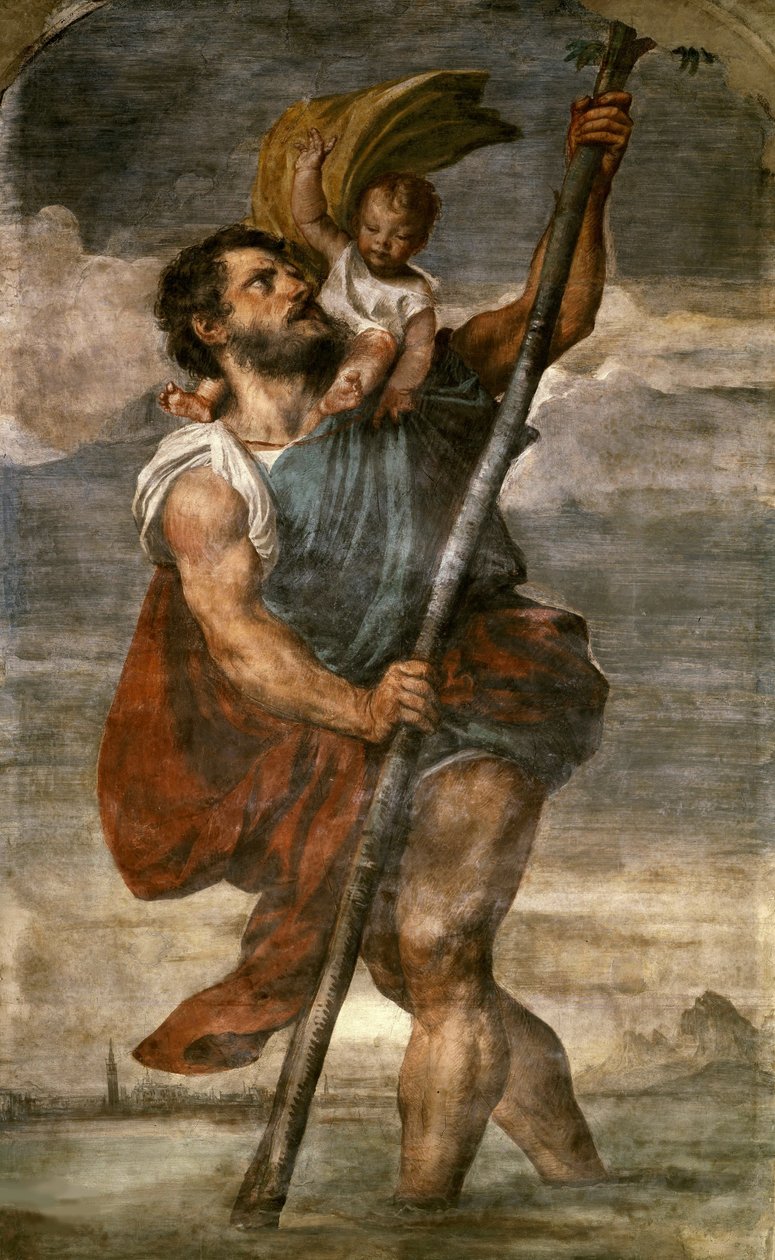
St. Christopher carrying the Christ child
Catholic Bible Study
Thirty-second Sunday in Ordinary Time · Year A
November 8, 2026 · Lectionary 154
Theme: Stay awake. Wisdom waits at the door of anyone who looks for her; Paul tells grieving Christians that their dead are asleep and will rise to meet the Lord; and Jesus warns that when the Bridegroom comes, only those whose lamps are full of oil will go in to the feast.
 

Dear Christ Bearers,

Here is this weekend’s Bible study on the Sunday readings.

Read it before Mass, pray through it at home, or work through it with your family or a friend.

Opening Prayer
O Lord Jesus Christ, open the eyes of my heart that I may hear your Word, and understand and do your will. Do not hide your commandments from me, but open my eyes, that I may perceive the wonders of your Law. Speak to me the hidden and secret things of your wisdom. On you I set my hope, O my God, that you shall enlighten my mind and understanding with the light of your knowledge; not only to cherish those things which are written, but to do them; For you are the enlightenment of those who lie in darkness, and from you comes every good deed and every gift. Amen.
Introduction

As the Church year draws to a close, the readings turn to the Last Things: death, judgment, and the coming of Christ. The Book of Wisdom describes wisdom as a radiant lady who is found by those who seek her, who even “hastens to make herself known,” so that whoever watches for her at dawn “shall find her sitting by his gate.” The Psalm is the cry of that seeker: “My soul is thirsting for you, O Lord my God.” Paul writes to the Thessalonians, who are grieving their dead and afraid they will miss Christ’s return, and tells them not to grieve like those without hope, because the dead in Christ will rise first and all of us will be caught up “to meet the Lord in the air.” And in the Gospel, Jesus tells of ten bridesmaids waiting for a bridegroom who is long delayed. All of them fall asleep, but when the cry goes up at midnight, the five wise ones have oil for their lamps and go in to the wedding. The other five find the door locked.

For us, the thread is readiness. None of us knows the day or the hour, whether of Christ’s return or of our own death. The foolish bridesmaids were not wicked; they simply assumed there would be time to get ready later. And the oil they lacked could not be borrowed at the last minute. No one else can pray for you, love for you, or repent for you. The wise do not live in fear of the end; they live so that the end finds them ready. They seek wisdom early, face death with hope instead of despair, and keep their lamps full by daily faith and love, so that when the cry goes up, they are not knocking on a locked door.

Readings for This Study

First Reading: Wisdom 6:12-16

Responsorial Psalm: Psalm 63:2, 3-4, 5-6, 7-8 (“My soul is thirsting for you, O Lord my God.”)

Second Reading: 1 Thessalonians 4:13-18

Gospel: Matthew 25:1-13

First Reading — Wisdom 6:12-16
THE READING
“Resplendent and unfading is wisdom, and she is readily perceived by those who love her, and found by those who seek her. She hastens to make herself known in anticipation of their desire; Whoever watches for her at dawn shall not be disappointed, for he shall find her sitting by his gate. For taking thought of wisdom is the perfection of prudence, and whoever for her sake keeps vigil shall quickly be free from care; because she makes her own rounds, seeking those worthy of her, and graciously appears to them in the ways, and meets them with all solicitude.”
 
Key Idea: Wisdom is not hard to find for anyone who truly wants her. She comes looking for those who look for her, and whoever keeps watch for her will find her waiting at their own door.
1. A book that answers the question of death
  • The Book of Wisdom was written in Greek not long before the time of Christ, under the name of King Solomon, the wisest of Israel’s kings. More than any other Old Testament book, it speaks clearly about the immortality of the soul, the final judgment, and the reward of the righteous after death. In a sense it answers the gloom of Ecclesiastes: death is not the end, and righteousness is rewarded in the life to come.
    • That is why the Church reads Wisdom in these last weeks of the year, when her attention turns to the Last Things.
  • Chapter 6 is addressed to kings and rulers: if you want to rule well and escape God’s judgment, seek wisdom. The chapter climbs a ladder, each step leading to the next. Wisdom 6:17-20 — “For the first step toward Wisdom is an earnest desire for discipline; then, care for discipline is love of her; love means the keeping of her laws; To observe her laws is the basis for incorruptibility; and incorruptibility makes one close to God; thus the desire for Wisdom leads to a kingdom.”
    • A few chapters later, the same book speaks for the first time in the Old Testament of “the kingdom of God,” the phrase that will stand at the center of Jesus’ preaching.

Living it: Everyone is responsible for something: a household, a classroom, a business, a team, our own bodies. Wisdom 6 says the first step to ruling well is simply wanting to learn. Pride says “I already know.” Wisdom says “teach me,” and the ladder starts there.

2. Wisdom comes looking for those who look for her
  • Wisdom here is pictured as a lady, “resplendent and unfading,” who is not shy or distant. She “hastens to make herself known,” she “makes her own rounds,” and she “meets them with all solicitude.” The word for wisdom is σοφία (sophia). Whoever gets up early to look for her finds she was already there, “sitting by his gate.”
    • Proverbs 8:17 — Wisdom speaks: “Those who love me I also love, and those who seek me find me.”
    • Proverbs 8:34-35 — and she blesses the one who keeps watch: “Happy the one who listens to me, attending daily at my gates, keeping watch at my doorposts; For whoever finds me finds life, and wins favor from the LORD.”
    • Song of Songs 3:1, 4 — the bride’s night search for the Bridegroom, which sets up this Sunday’s Gospel: “On my bed at night I sought him whom my soul loves.… Hardly had I left them when I found him whom my soul loves. I held him and would not let him go.” The Hebrew phrase שֶׁאָהֲבָה נַפְשִׁי (še’āhăbâ napšî), “him whom my soul loves,” repeats like a refrain.
    • James 1:5 — “But if any of you lacks wisdom, he should ask God who gives to all generously and ungrudgingly, and he will be given it.”
    • Revelation 3:20 — Christ Himself waits at the door: “Behold, I stand at the door and knock. If anyone hears my voice and opens the door, [then] I will enter his house and dine with him, and he with me.”
  • St. Augustine, Doctor of the Church (c. 400), describing how wisdom found him after years of looking in the wrong places: “Too late did I love You, O Fairness, so ancient, and yet so new! Too late did I love You! For behold, You were within, and I without, and there did I seek You… You were with me, but I was not with You… You called, and cried aloud, and forced open my deafness… I tasted, and do hunger and thirst.” (Confessions X.27.38).

Living it: Augustine spent years chasing pleasure, success, and clever ideas, and Wisdom was sitting at his own gate the whole time. Most of us are not too far from God; we are too busy to open the door. Give Him the first part of your day before the noise starts.

3. Wisdom has a name
  • The early Christians read these passages and recognized a Person. The same book says wisdom is “the reflection of eternal light” (Wisdom 7:26), and the Church took that very image into the Creed when it confessed that the Son is “Light from Light.” The wisdom that comes looking for us is Christ.
    • Wisdom 7:26 — “For she is the reflection of eternal light, the spotless mirror of the power of God, the image of his goodness.”
    • 1 Corinthians 1:24 — “but to those who are called, Jews and Greeks alike, Christ the power of God and the wisdom of God.”
  • “Whoever for her sake keeps vigil shall quickly be free from care.” This sets up the Gospel exactly: the wise bridesmaids are the ones who kept watch.
  • St. Clement of Alexandria (c. 200), urging educated pagans to turn to Christ: “we who have become the disciples of God have received the only true wisdom; and that which the chiefs of philosophy only guessed at, the disciples of Christ have both apprehended and proclaimed… Let us then admit the light, that we may admit God; let us admit the light, and become disciples to the Lord.” (Exhortation to the Heathen 11).

Living it: The world offers a thousand sources of “wisdom”: podcasts, influencers, self-help, the coworker with all the answers. Some of it is useful. But the wisdom that saves has a face and a name, and you meet Him in Scripture, prayer, and the Eucharist. Keep vigil there.

4. The Psalm: “My soul is thirsting for you, O Lord my God”
  • The Psalm puts the longing of Wisdom 6 in our mouths: “O God, you are my God whom I seek; for you my flesh pines and my soul thirsts like the earth, parched, lifeless and without water.” Later it adds, “through the night-watches I will meditate on you,” the same vigil the wise keep in the first reading and the Gospel.
    • David prayed this psalm as a fugitive in the Judean wilderness, hiding from Saul. The Hebrew word for “soul,” נֶפֶשׁ (nepeš), can also mean “throat,” so “my soul thirsts” is the cry of a parched throat in the desert. Later the psalm says “My soul clings fast to you” (63:9), using the same verb Scripture uses for holding fast to God’s covenant.
    • Psalm 42:2-3 — the same thirst in another psalm: “As the deer longs for streams of water, so my soul longs for you, O God. My soul thirsts for God, the living God. When can I enter and see the face of God?”
    • John 7:37-38 — Jesus answers that thirst: “Let anyone who thirsts come to me and drink. Whoever believes in me, as scripture says: ‘Rivers of living water will flow from within him.’”
    • Revelation 22:17 — and the Bible ends with the same invitation: “The Spirit and the bride say, ‘Come.’… Let the one who thirsts come forward, and the one who wants it receive the gift of life-giving water.”
    • CCC 27 — “The desire for God is written in the human heart, because man is created by God and for God; and God never ceases to draw man to himself. Only in God will he find the truth and happiness he never stops searching for.”
  • St. Augustine (c. 410), on the Psalm’s opening line, “unto You from the light I watch”: “What is to watch? It is, not to sleep. What is to sleep? There is a sleep of the soul; there is a sleep of the body.” And on its thirst: “For there are they that thirst, but not for God.… one longs for gold, another longs for silver, another longs for possessions.” (Exposition on Psalm 63, 2-3).

Living it: Everyone is thirsty for something: success, respect, comfort, pleasure. The Psalm asks what you are thirsty for. Whoever thirsts for God will keep their lamp full, because they want the Bridegroom more than anything else.

Discussion
  1. Where do I go first for wisdom when I face a hard decision? Where should I go?
  2. Wisdom 6 says the first step is “an earnest desire for discipline.” Where am I resisting being taught?
  3. Augustine says, “You were with me, but I was not with You.” When have I been close to God without noticing?
Second Reading — 1 Thessalonians 4:13-18
THE READING
“We do not want you to be unaware, brothers and sisters, about those who have fallen asleep, so that you may not grieve like the rest, who have no hope. For if we believe that Jesus died and rose, so too will God, through Jesus, bring with him those who have fallen asleep. Indeed, we tell you this, on the word of the Lord, that we who are alive, who are left until the coming of the Lord, will surely not precede those who have fallen asleep. For the Lord himself, with a word of command, with the voice of an archangel and with the trumpet of God, will come down from heaven, and the dead in Christ will rise first. Then we who are alive, who are left, will be caught up together with them in the clouds to meet the Lord in the air. Thus we shall always be with the Lord. Therefore, console one another with these words.”
 
Key Idea: Christians grieve, but not without hope. Because Jesus died and rose, those who die in Christ will rise too, and when He comes again we will all be together with Him forever.
1. “So that you may not grieve like the rest, who have no hope”
  • The Thessalonians had a new worry. Some members of their young church had died, and the others feared those believers would miss out when Jesus returned. Paul writes to comfort them, and he does not tell them to stop grieving. He tells them to grieve differently, as people with hope.
    • It is human to mourn a loved one; it is Christian not to let sorrow slide into despair.
  • Paul calls the dead “those who have fallen asleep.” The Greek verb is κοιμάω (koimaō), “to sleep,” and from it comes κοιμητήριον (koimētērion), “a sleeping place,” the root of our word “cemetery.” For Christians, a graveyard is a dormitory: the bodies there are waiting to be awakened.
    • John 11:11 — Jesus about Lazarus: “Our friend Lazarus is asleep, but I am going to awaken him.”
    • Daniel 12:2 — “Many of those who sleep in the dust of the earth shall awake; Some to everlasting life, others to reproach and everlasting disgrace.”
  • St. Cyprian of Carthage (c. 252), writing during a deadly plague: “our brethren who are freed from this world by the Lord’s summons are not to be lamented, since we know that they are not lost, but sent before; that, departing from us, they precede us as travellers, as navigators are accustomed to do; that they should be desired, but not bewailed; that the black garments should not be taken upon us here, when they have already taken upon them white raiment there.” (On the Mortality 20).
  • Last Monday was All Souls Day (see this week’s All Souls study). Hope for the dead is also why the Church prays for them. 2 Maccabees 12:44-45 — “for if he were not expecting the fallen to rise again, it would have been superfluous and foolish to pray for the dead. But if he did this with a view to the splendid reward that awaits those who had gone to rest in godliness, it was a holy and pious thought.”
    • CCC 1032 — “From the beginning the Church has honored the memory of the dead and offered prayers in suffrage for them, above all the Eucharistic sacrifice, so that, thus purified, they may attain the beatific vision of God.”
    • St. John Chrysostom (c. 395), on praying and offering Mass for the dead: “Let us not then be weary in giving aid to the departed, both by offering on their behalf and obtaining prayers for them: for the common Expiation of the world is even before us.” (Homily 41 on 1 Corinthians).

Living it: Many of us grieve badly: we bury it, numb it, or stay too busy to feel it. Paul gives a better way. Let yourself mourn your parent, your spouse, your friend, your child, and then put that grief in the hands of the risen Christ. Visit the grave, have a Mass said, pray for them by name. That is grieving with hope.

2. “If we believe that Jesus died and rose”
  • The whole argument hangs on Easter. If Jesus truly rose from the dead, then death has already been beaten, and God will bring “those who have fallen asleep” with Him. Christ’s resurrection is both the pattern and the guarantee of ours.
    • 1 Corinthians 15:20 — “But now Christ has been raised from the dead, the firstfruits of those who have fallen asleep.”
    • John 11:25-26 — “I am the resurrection and the life; whoever believes in me, even if he dies, will live, and everyone who lives and believes in me will never die. Do you believe this?”
  • CCC 1016 — “By death the soul is separated from the body, but in the resurrection God will give incorruptible life to our body, transformed by reunion with our soul. Just as Christ is risen and lives for ever, so all of us will rise at the last day.”
  • St. Gregory Nazianzen, Doctor of the Church (c. 369), preaching at the funeral of his own brother, Caesarius, and speaking to the grieving fathers in the crowd: “let them equally surpass them in love of wisdom and love of Christ, and in the special practice of meditation on our departure hence, impressing it likewise on their children, making even their whole life a preparation for death.” (Oration 7.18).
    • John 14:3 — Jesus’ own promise behind Paul’s words: “And if I go and prepare a place for you, I will come back again and take you to myself, so that where I am you also may be.”

Living it: Gregory gives every parent and grandparent a job: teach the next generation how to die well by how you live. Someone who prays, goes to Confession, and talks about heaven at the dinner table is preparing the children around them for the one appointment none of them will miss.

3. “To meet the Lord in the air”
  • Paul paints Christ’s return with images from the Old Testament: the command, the archangel’s voice, the trumpet of God, the clouds. At Sinai, God came down in cloud and trumpet blast and Israel went out to meet Him. Jesus will come “in the same way” He ascended (Acts 1:11).
    • Acts 1:11 — “This Jesus who has been taken up from you into heaven will return in the same way as you have seen him going into heaven.”
    • Exodus 19:16-17 — the Sinai pattern Paul is drawing on: “there were peals of thunder and lightning, and a heavy cloud over the mountain, and a very loud blast of the shofar.… But Moses led the people out of the camp to meet God.”
    • 1 Corinthians 15:51-52 — “We shall not all fall asleep, but we will all be changed, in an instant, in the blink of an eye, at the last trumpet. For the trumpet will sound, the dead will be raised incorruptible, and we shall be changed.”
    • 1 Corinthians 15:54-55 — “Death is swallowed up in victory. Where, O death, is your victory? Where, O death, is your sting?”
  • “To meet” is ἀπάντησις (apantēsis), the word for a delegation that went out of a city to meet an arriving king and escort him back in. The faithful do not fly away to escape; they go out to welcome their King and return with Him. The very same word appears in this Sunday’s Gospel: “Behold, the bridegroom! Come out to meet him!”
  • CCC 1011 — “In death, God calls man to himself. Therefore the Christian can experience a desire for death like St. Paul’s: ‘My desire is to depart and be with Christ.’”
    • Philippians 1:21, 23 — “For to me life is Christ, and death is gain… I long to depart this life and be with Christ, [for] that is far better.”
  • “Therefore, console one another with these words.” Paul’s teaching on the end is not meant to scare believers or settle arguments about dates. It is meant to comfort.

Living it: Think of the people who will carry your casket. What will they be able to say about your hope? Live so that, when the time comes, your family can console one another with these words, because they watched you believe them.

Discussion
  1. How have I grieved the deaths in my life? Did I grieve “like the rest, who have no hope,” or with hope?
  2. Who among my dead do I need to pray for by name this month?
  3. Gregory says we should make our “whole life a preparation for death.” What is one way I can help my family or friends think about heaven?
Gospel — Matthew 25:1-13
THE READING
Jesus told his disciples this parable: “The kingdom of heaven will be like ten virgins who took their lamps and went out to meet the bridegroom. Five of them were foolish and five were wise. The foolish ones, when taking their lamps, brought no oil with them, but the wise brought flasks of oil with their lamps. Since the bridegroom was long delayed, they all became drowsy and fell asleep. At midnight, there was a cry, ‘Behold, the bridegroom! Come out to meet him!’ Then all those virgins got up and trimmed their lamps. The foolish ones said to the wise, ‘Give us some of your oil, for our lamps are going out.’ But the wise ones replied, ‘No, for there may not be enough for us and you. Go instead to the merchants and buy some for yourselves.’ While they went off to buy it, the bridegroom came and those who were ready went into the wedding feast with him. Then the door was locked. Afterwards the other virgins came and said, ‘Lord, Lord, open the door for us!’ But he said in reply, ‘Amen, I say to you, I do not know you.’ Therefore, stay awake, for you know neither the day nor the hour.”
 
Key Idea: Christ the Bridegroom will come at an hour no one expects. Readiness cannot be borrowed or bought at the last minute; it is built day by day, by keeping the lamp of faith filled with the oil of love and good works.
1. A wedding at midnight
  • Jesus tells this parable during His last week, in His sermon about the end. It is built on a Jewish wedding custom. After the betrothal, the groom would come at night with a procession to bring his bride to his home, and the bridesmaids would go out with torches or lamps to meet him and light the way to a week-long feast. Here the bridegroom is late, so late that everyone dozes off.
    • Jesus has already called Himself the Bridegroom. Matthew 9:15 — “Can the wedding guests mourn as long as the bridegroom is with them? The days will come when the bridegroom is taken away from them, and then they will fast.”
    • Hosea 2:21-22 — the prophets had promised that God Himself would be Israel’s Bridegroom: “I will betroth you to me forever: I will betroth you to me with justice and with judgment, with loyalty and with compassion; I will betroth you to me with fidelity, and you shall know the LORD.”
    • Isaiah 62:5 — “And as a bridegroom rejoices in his bride so shall your God rejoice in you.”
    • Song of Songs 5:2 — the bride in the night: “I was sleeping, but my heart was awake. The sound of my lover knocking!” The wise virgins slept too, but their hearts, and their lamps, were ready.
    • Ephesians 5:25, 27, 32 — “Christ loved the church and handed himself over for her… that he might present to himself the church in splendor.… This is a great mystery, but I speak in reference to Christ and the church.”
    • Revelation 19:9 — “Blessed are those who have been called to the wedding feast of the Lamb.”
  • Notice that all ten are invited, all ten have lamps, and all ten fall asleep. The difference is not who was in the group or who stayed awake. The difference is who had oil when the cry came.
  • “Foolish” is μωραί (mōrai), the root of our word “moron.” “Wise” is φρόνιμοι (phronimoi), meaning sensible, practical, thinking ahead. The wise did not have more spiritual feelings; they simply planned for a delay.

Living it: Every one of us is inside the wedding party. You have been invited and given a lamp at Baptism. The danger is not that you will be thrown out of a group you never joined; it is that you will be in the right place with an empty lamp. Planning ahead is not only for retirement accounts.

2. The oil that cannot be borrowed
  • When the cry goes up, the foolish ask to borrow oil, and the wise say no. It sounds selfish, but the point is that some things cannot be shared at the last minute. No one can believe for you, love for you, repent for you, or have a relationship with God for you.
    • The Fathers read the lamp as faith and the oil as good works and love. A lamp without oil is faith without works, and it goes out.
    • Leviticus 24:2-3 — in the tabernacle the lamp before the LORD was never allowed to go out: “bring you clear oil of crushed olives for the light, so that you may keep the lamp burning regularly.… from evening till morning, by a perpetual statute.” The wise virgins are living lampstands.
    • Proverbs 20:27 — “A lamp from the LORD is human life-breath; it searches through the inmost being.”
    • Matthew 5:14, 16 — “You are the light of the world.… your light must shine before others, that they may see your good deeds and glorify your heavenly Father.” The oil is what keeps that light burning.
  • St. Augustine (c. 400), preaching on this parable: “By what make the distinction? By the oil. Some great, some exceedingly great thing does this oil signify. Do you think that it is not charity?… For oil swims above all liquids. Pour in water, and pour in oil upon it, the oil will swim above.” (Sermon 43 on the New Testament, 5).
    • Just as oil always rises to the top, charity is the greatest of the virtues: 1 Corinthians 13 says that without it, everything else is noise.
  • St. Methodius of Olympus (martyred c. 311), in his work on these ten virgins: “Let us then supply now the oil of good works abundantly, and of prudence, being purged from all corruption which would weigh us down; lest, while the Bridegroom tarries, our lamps may also in like manner be extinguished. For the delay is the interval which precedes the appearing of Christ.” (Banquet of the Ten Virgins VI.4).
    • Methodius goes on to connect the midnight cry with Paul’s trumpet in the second reading: it is the moment when the saints are “caught up” to “meet the Lord.”

Living it: The oil goes into the lamp drop by drop: a daily prayer, a kindness to someone at home, an honest day’s work, a confession, a Sunday Mass. You cannot fill it in a panic on the last night. Are you adding oil this week, or burning what you have left?

3. “Lord, Lord, open the door for us!”
  • The door is locked, and the foolish knock and call him “Lord, Lord.” The answer is chilling: “Amen, I say to you, I do not know you.” They knew the Bridegroom was coming, they had the title right, but they had no real relationship with him.
    • Matthew 7:21, 23 — “Not everyone who says to me, ‘Lord, Lord,’ will enter the kingdom of heaven, but only the one who does the will of my Father in heaven… Then I will declare to them solemnly, ‘I never knew you.’”
  • CCC 1036 — “Since we know neither the day nor the hour, we should follow the advice of the Lord and watch constantly so that, when the single course of our earthly life is completed, we may merit to enter with him into the marriage feast and be numbered among the blessed.”

Living it: Jesus does not say, “You broke a rule.” He says, “I do not know you.” Religion without relationship is an empty lamp. Spend time with Him now, in prayer and in the Eucharist, so that when He sees you at the door, He sees a friend.

4. “Stay awake, for you know neither the day nor the hour”
  • The last line gives the point. We do not know when Christ will return, and we do not know when our own lives will end. The Church calls this present time “a time of waiting and watching.” Staying awake does not mean anxious calculation; it means living ready every day.
    • The Alleluia verse says it plainly: “Stay awake and be ready! For you do not know on what day your Lord will come.”
    • Luke 12:35, 37 — “Gird your loins and light your lamps… Blessed are those servants whom the master finds vigilant on his arrival.”
    • Romans 13:11-12 — “it is the hour now for you to awake from sleep. For our salvation is nearer now than when we first believed; the night is advanced, the day is at hand.”
    • 1 Thessalonians 5:2, 5-6 — Paul continues right after this Sunday’s second reading: “the day of the Lord will come like a thief at night.… For all of you are children of the light and children of the day. We are not of the night or of darkness. Therefore, let us not sleep as the rest do, but let us stay alert and sober.”
    • Sirach 14:12 — the old wisdom says the same: “Remember that death does not delay, and you have not been told the grave’s appointed time.”
    • Hebrews 9:27 — “it is appointed that human beings die once, and after this the judgment.”
  • CCC 672 — “According to the Lord, the present time is the time of the Spirit and of witness, but also a time still marked by ‘distress’ and the trial of evil which does not spare the Church and ushers in the struggles of the last days. It is a time of waiting and watching.”
  • St. Hilary of Poitiers, Doctor of the Church (c. 360), on why Jesus kept the day hidden: “He exhorts us to watch continually with unrelaxing faith, and withholds from us the security of certain knowledge, that our minds may be kept on the stretch by the uncertainty of suspense, and while they hasten towards and continually look for the day of His coming, may always watch in hope; and that, though we know the time must come, its very uncertainty may make us careful and vigilant.” (On the Trinity IX.67).
    • Revelation 16:15 — “Behold, I am coming like a thief.” Blessed is the one who watches and keeps his clothes ready.
  • The first reading said that “whoever for her sake keeps vigil shall quickly be free from care.” The wise bridesmaids are the wise of Wisdom 6: they watched, they were ready, and they went in.

Living it: A sentry on watch does not panic, but stays alert, because the enemy and the hour are uncertain. A Catholic lives the same way: no drama, no fear, but no drifting either. Live today in a way you would not be ashamed to be found living when the Bridegroom comes.

The Four Senses of Scripture
  • Literal sense (what the words say and what happened): During His last week in Jerusalem, Jesus tells a parable about ten young women waiting with lamps to escort a bridegroom to his wedding feast. The bridegroom is delayed, all of them fall asleep, and when he arrives at midnight only the five who brought extra oil go in; the door is shut on the rest. Jesus ends: “stay awake, for you know neither the day nor the hour.”
  • Allegorical sense (how it points to Christ and the Church): The Old and New Testaments explain each other:
    • The LORD who betroths Israel forever (Hosea 2:21-22; Isaiah 62:5) and the Bridegroom of the Song of Songs → Christ the Bridegroom (Matthew 9:15; 25:1) → the wedding feast of the Lamb with His bride the Church (Ephesians 5:32; Revelation 19:9; 21:2).
    • The perpetual lamp before the LORD, fed with pure olive oil (Leviticus 24:2-3) → the wise virgins whose lamps do not go out → Christians who are “the light of the world” (Matthew 5:14).
    • Lady Wisdom who waits at the gate of those who seek her (Wisdom 6:14; Proverbs 8:34) → Christ, “the wisdom of God” (1 Corinthians 1:24), who stands at the door and knocks (Revelation 3:20).
    • Israel going out of the camp at the trumpet blast to meet God at Sinai (Exodus 19:16-17) → the midnight cry, “Come out to meet him!” → the faithful caught up “to meet the Lord” at the trumpet of God (1 Thessalonians 4:16-17).
  • Moral sense (how we should act): Keep your lamp full by daily prayer, charity, and the sacraments; do not put off conversion, because the oil cannot be borrowed at the last minute. Seek wisdom early in the day and early in life. Grieve your dead with hope and pray for them.
  • Anagogical sense (where it leads): The parable ends at a wedding feast behind a closed door: the eternal marriage of Christ and His Church, which the faithful dead and the living will enter together when He comes.
    • 1 Thessalonians 4:17 — “Thus we shall always be with the Lord.”
    • Revelation 22:20 — “Yes, I am coming soon.” Amen! Come, Lord Jesus!
Discussion
  1. What does the “oil” look like in my life right now: prayer, charity, good works? Is my lamp full or running low?
  2. Where am I tempted to think, “I will get serious about my faith later”?
  3. Jesus says, “I do not know you.” How well does Jesus actually know me? How much time do I spend with Him?
Practical Application for the Week
  1. First things first. Give God the first ten minutes of each day this week, before your phone or the news: read a Psalm (start with Psalm 63) and ask for wisdom.
  2. Add oil daily. Each night, name one concrete act of love you did that day, and one you failed to do. Let it shape tomorrow.
  3. Pray for your dead. Write down the names of family and friends who have died, have a Mass offered for them, or visit a cemetery this month.
Closing Prayer
Lord Jesus Christ, Wisdom of the Father and Bridegroom of the Church, You come looking for those who look for You and wait at the door of our hearts. Our souls thirst for You like dry and lifeless ground. Give us the wisdom to seek You early, and the grace to keep watch. Comfort us in our grief with the hope of the resurrection, and grant eternal rest to all our beloved dead who have fallen asleep in You. Fill our lamps with the oil of faith and charity, day by day, so that when the cry goes up at midnight we may rise, trim our lamps, and go out to meet You with joy. Do not let us be found knocking at a locked door, but bring us into the wedding feast, that we may always be with You, Lord, forever. Amen.

St. Christopher, pray for us.

Christ Bearer Apostolate emblem Warmly,
Christopher
Christ Bearer Apostolate
A lay apostolate spreading the love of God in word and in deed
www.christbearerapostolate.com

Estudio bíblico semanal: Trigésimo segundo domingo del Tiempo Ordinario

Tema: Estén preparados. La Sabiduría espera a la puerta de quien la busca; Pablo dice a los cristianos que lloran a sus difuntos que sus muertos duermen y resucitarán para ir al encuentro del Señor; y Jesús advierte que, cuando llegue el esposo, solo entrarán al banquete las que tengan sus lámparas llenas de aceite.

CHRIST BEARER APOSTOLATE
EL ESTUDIO BÍBLICO SEMANAL
St. Christopher carrying the Christ child
Estudio Bíblico Católico
Trigésimo segundo domingo del Tiempo Ordinario · Ciclo A
8 de noviembre de 2026 · Leccionario 154
Tema: Estén preparados. La Sabiduría espera a la puerta de quien la busca; Pablo dice a los cristianos que lloran a sus difuntos que sus muertos duermen y resucitarán para ir al encuentro del Señor; y Jesús advierte que, cuando llegue el esposo, solo entrarán al banquete las que tengan sus lámparas llenas de aceite.
 

Queridos portadores de Cristo:

Aquí está el estudio bíblico de este fin de semana sobre las lecturas del domingo.

Léelo antes de Misa, ora con él en casa o estúdialo con tu familia o con un amigo.

Oración inicial
Oh Señor Jesucristo, abre los ojos de mi corazón para que escuche tu Palabra, y comprenda y cumpla tu voluntad. No me escondas tus mandamientos, sino abre mis ojos para que contemple las maravillas de tu Ley. Háblame de las cosas ocultas y secretas de tu sabiduría. En ti pongo mi esperanza, oh Dios mío, para que ilumines mi mente y mi entendimiento con la luz de tu conocimiento; no solo para apreciar lo que está escrito, sino para ponerlo en práctica; porque tú eres la luz de los que yacen en tinieblas, y de ti procede toda obra buena y todo don. Amén.
Introducción

Al acercarse el final del año litúrgico, las lecturas se vuelven hacia las realidades últimas: la muerte, el juicio y la venida de Cristo. El Libro de la Sabiduría describe la sabiduría como una dama radiante que se deja encontrar por quienes la buscan, que incluso “se anticipa a darse a conocer a los que la desean”, de modo que quien madruga por ella “la hallará sentada a su puerta”. El salmo es el clamor de ese buscador: “Señor, mi alma tiene sed de ti”. Pablo escribe a los tesalonicenses, que lloran a sus difuntos y temen que se pierdan el regreso de Cristo, y les dice que no vivan tristes como los que no tienen esperanza, porque los que murieron en Cristo resucitarán primero y todos seremos arrebatados “por el aire, para ir al encuentro del Señor”. Y en el Evangelio, Jesús cuenta la parábola de diez jóvenes que esperan a un esposo que tarda mucho en llegar. A todas les entra sueño y se duermen, pero cuando a medianoche se oye el grito, las cinco previsoras tienen aceite para sus lámparas y entran a la boda. Las otras cinco encuentran la puerta cerrada.

Para nosotros, el hilo conductor es estar preparados. Ninguno de nosotros sabe el día ni la hora, ni del regreso de Cristo ni de nuestra propia muerte. Las jóvenes descuidadas no eran malvadas; simplemente dieron por hecho que habría tiempo para prepararse más tarde. Y el aceite que les faltaba no se podía pedir prestado a última hora. Nadie puede rezar por ti, amar por ti ni arrepentirse por ti. Los sabios no viven con miedo al final; viven de tal manera que el final los encuentre preparados. Buscan la sabiduría desde temprano, enfrentan la muerte con esperanza y no con desesperación, y mantienen sus lámparas llenas con la fe y el amor de cada día, para que, cuando se oiga el grito, no estén golpeando una puerta cerrada.

Lecturas de este estudio

Primera lectura: Sabiduría 6, 12-16

Salmo responsorial: Salmo 62 (63), 2. 3-4. 5-6. 7-8 (“Señor, mi alma tiene sed de ti”)

Segunda lectura: 1 Tesalonicenses 4, 13-18

Evangelio: Mateo 25, 1-13

Primera lectura — Sabiduría 6, 12-16
LA LECTURA
“Radiante e incorruptible es la sabiduría; con facilidad la contemplan quienes la aman y ella se deja encontrar por quienes la buscan y se anticipa a darse a conocer a los que la desean. El que madruga por ella no se fatigará, porque la hallará sentada a su puerta. Darle la primacía en los pensamientos es prudencia consumada; quien por ella se desvela pronto se verá libre de preocupaciones. A los que son dignos de ella, ella misma sale a buscarlos por los caminos; se les aparece benévola y colabora con ellos en todos sus proyectos.”
 
Idea clave: La sabiduría no es difícil de encontrar para quien de verdad la quiere. Ella sale a buscar a los que la buscan, y quien vela esperándola la encontrará aguardando a su propia puerta.
1. Un libro que responde a la pregunta de la muerte
  • El Libro de la Sabiduría fue escrito en griego poco antes de la época de Cristo, bajo el nombre del rey Salomón, el más sabio de los reyes de Israel. Más que ningún otro libro del Antiguo Testamento, habla con claridad de la inmortalidad del alma, del juicio final y de la recompensa de los justos después de la muerte. En cierto sentido responde al pesimismo del Eclesiastés: la muerte no es el final, y la justicia recibe su premio en la vida futura.
    • Por eso la Iglesia lee el Libro de la Sabiduría en estas últimas semanas del año, cuando su atención se vuelve hacia las realidades últimas.
  • El capítulo 6 está dirigido a los reyes y gobernantes: si quieren gobernar bien y escapar del juicio de Dios, busquen la sabiduría. El capítulo sube por una escalera, en la que cada peldaño lleva al siguiente. Sabiduría 6, 17-20 — “El comienzo de la Sabiduría es el verdadero deseo de instruirse, querer instruirse, es amarla; amarla, es cumplir sus leyes, observar sus leyes, es garantía de incorruptibilidad, y la incorruptibilidad hace estar cerca de Dios: así, el deseo de la Sabiduría conduce a la realeza”.
    • Unos capítulos más adelante, el mismo libro habla por primera vez en el Antiguo Testamento del “Reino de Dios”, la expresión que estará en el centro de la predicación de Jesús.

Para vivirlo: Todos somos responsables de algo: un hogar, un salón de clases, un negocio, un equipo, nuestro propio cuerpo. Sabiduría 6 dice que el primer paso para gobernar bien es simplemente querer aprender. El orgullo dice: “Ya lo sé”. La sabiduría dice: “Enséñame”, y ahí empieza la escalera.

2. La sabiduría sale a buscar a los que la buscan
  • Aquí la sabiduría aparece como una dama, “radiante e incorruptible”, que no es tímida ni distante. Ella “se anticipa a darse a conocer”, “sale a buscarlos por los caminos” y “se les aparece benévola”. La palabra para sabiduría es σοφία (sophia). Quien madruga para buscarla descubre que ella ya estaba allí, “sentada a su puerta”.
    • Proverbios 8, 17 — Habla la Sabiduría: “Yo amo a los que me aman y los que me buscan ardientemente, me encontrarán”.
    • Proverbios 8, 34-35 — y bendice a quien vela: “¡Feliz el hombre que me escucha, velando a mis puertas día tras día y vigilando a la entrada de mi casa! Porque el que me encuentra ha encontrado la vida y ha obtenido el favor del Señor”.
    • Cantar de los Cantares 3, 1. 4 — la búsqueda nocturna de la esposa que busca a su amado, que prepara el Evangelio de este domingo: “En mi lecho, durante la noche, busqué al amado de mi alma… Apenas los había pasado, encontré al amado de mi alma. Lo agarré, y no lo soltaré”. La expresión hebrea שֶׁאָהֲבָה נַפְשִׁי (še’āhăbâ napšî), “al que ama mi alma”, se repite como un estribillo.
    • Santiago 1, 5 — “Si a alguno de ustedes le falta sabiduría, que la pida a Dios, y la recibirá, porque él la da a todos generosamente, sin exigir nada en cambio”.
    • Apocalipsis 3, 20 — Cristo mismo espera a la puerta: “Yo estoy junto a la puerta y llamo: si alguien oye mi voz y me abre, entraré en su casa y cenaremos juntos”.
  • San Agustín, Doctor de la Iglesia (hacia el año 400), describiendo cómo la sabiduría lo encontró después de años de buscar en lugares equivocados: “¡Tarde te amé, oh Hermosura tan antigua y tan nueva! ¡Tarde te amé! Porque he aquí que tú estabas dentro, y yo fuera, y allí te buscaba… Tú estabas conmigo, pero yo no estaba contigo… Llamaste y clamaste, y rompiste mi sordera… Gusté de ti, y ahora tengo hambre y sed” (Confesiones X, 27, 38).

Para vivirlo: Agustín pasó años persiguiendo el placer, el éxito y las ideas brillantes, y la Sabiduría estuvo sentada a su propia puerta todo el tiempo. La mayoría de nosotros no estamos demasiado lejos de Dios; estamos demasiado ocupados para abrir la puerta. Dale la primera parte de tu día antes de que empiece el ruido.

3. La sabiduría tiene nombre
  • Los primeros cristianos leyeron estos pasajes y reconocieron a una Persona. El mismo libro dice que la sabiduría es “el resplandor de la luz eterna” (Sabiduría 7, 26), y la Iglesia llevó esa misma imagen al Credo cuando confesó que el Hijo es “Luz de Luz”. La sabiduría que sale a buscarnos es Cristo.
    • Sabiduría 7, 26 — “Ella es el resplandor de la luz eterna, un espejo sin mancha de la actividad de Dios y una imagen de su bondad”.
    • 1 Corintios 1, 24 — “pero fuerza y sabiduría de Dios para los que han sido llamados, tanto judíos como griegos”.
  • “Quien por ella se desvela pronto se verá libre de preocupaciones”. Esto prepara exactamente el Evangelio: las jóvenes previsoras son las que se mantuvieron en vela.
  • San Clemente de Alejandría (hacia el año 200), exhortando a los paganos cultos a volverse a Cristo: “nosotros, que nos hemos hecho discípulos de Dios, hemos recibido la única sabiduría verdadera; y aquello que los jefes de la filosofía solo vislumbraron, los discípulos de Cristo lo han comprendido y proclamado… Admitamos, pues, la luz, para admitir a Dios; admitamos la luz, y hagámonos discípulos del Señor” (Exhortación a los paganos 11).

Para vivirlo: El mundo ofrece mil fuentes de “sabiduría”: pódcasts, influencers, libros de autoayuda, el compañero de trabajo que tiene todas las respuestas. Algo de eso es útil. Pero la sabiduría que salva tiene rostro y nombre, y te encuentras con Él en la Escritura, en la oración y en la Eucaristía. Vela allí.

4. El salmo: “Señor, mi alma tiene sed de ti”
  • El salmo pone en nuestros labios el anhelo de Sabiduría 6: “Señor, tú eres mi Dios, a ti te busco; de ti sedienta está mi alma. Señor, todo mi ser te añora como el suelo reseco añora el agua”. Más adelante el salmo añade: “en las horas de la noche medito en ti” (Salmo 63, 7), la misma vigilia que guardan los sabios en la primera lectura y en el Evangelio.
    • David rezó este salmo cuando huía por el desierto de Judá, escondiéndose de Saúl. La palabra hebrea para “alma”, נֶפֶשׁ (nepeš), también puede significar “garganta”, de modo que “mi alma tiene sed” es el grito de una garganta reseca en el desierto. Más adelante el salmo dice: “Mi alma está unida a ti” (Salmo 63, 9), con el mismo verbo que la Escritura usa para aferrarse a la alianza de Dios.
    • Salmo 42, 2-3 — la misma sed en otro salmo: “Como la cierva sedienta busca las corrientes de agua, así mi alma suspira por ti, mi Dios. Mi alma tiene sed de Dios, del Dios viviente: ¿Cuándo iré a contemplar el rostro de Dios?”.
    • Juan 7, 37-38 — Jesús responde a esa sed: “El que tenga sed, venga a mí; y beba el que cree en mí”. Como dice la Escritura: “De su seno brotarán manantiales de agua viva”.
    • Apocalipsis 22, 17 — y la Biblia termina con la misma invitación: “El Espíritu y la Esposa dicen: ‘¡Ven!’… Que venga el que tiene sed, y el que quiera, que beba gratuitamente del agua de la vida”.
    • CIC 27 — “El deseo de Dios está inscrito en el corazón del hombre, porque el hombre ha sido creado por Dios y para Dios; y Dios no cesa de atraer al hombre hacia sí, y sólo en Dios encontrará el hombre la verdad y la dicha que no cesa de buscar”.
  • San Agustín (hacia el año 410), sobre el primer verso del salmo, “a ti desde la luz velo”: “¿Qué es velar? Es no dormir. ¿Qué es dormir? Hay un sueño del alma; hay un sueño del cuerpo”. Y sobre su sed: “Porque hay quienes tienen sed, pero no de Dios… uno ansía el oro, otro ansía la plata, otro ansía las posesiones” (Comentario al Salmo 63, 2-3).

Para vivirlo: Todos tenemos sed de algo: éxito, respeto, comodidad, placer. El salmo te pregunta de qué tienes sed. Quien tiene sed de Dios mantendrá llena su lámpara, porque desea al Esposo más que cualquier otra cosa.

Para conversar
  1. ¿A dónde acudo primero en busca de sabiduría cuando tengo que tomar una decisión difícil? ¿A dónde debería acudir?
  2. Sabiduría 6 dice que el comienzo es “el verdadero deseo de instruirse”. ¿En qué me resisto a dejarme enseñar?
  3. Agustín dice: “Tú estabas conmigo, pero yo no estaba contigo”. ¿Cuándo he estado cerca de Dios sin darme cuenta?
Segunda lectura — 1 Tesalonicenses 4, 13-18
LA LECTURA
“Hermanos: No queremos que ignoren lo que pasa con los difuntos, para que no vivan tristes, como los que no tienen esperanza. Pues, si creemos que Jesús murió y resucitó, de igual manera debemos creer que, a los que murieron en Jesús, Dios los llevará con él. Lo que les decimos, como palabra del Señor, es esto: que nosotros, los que quedemos vivos para cuando venga el Señor, no tendremos ninguna ventaja sobre los que ya murieron. Cuando Dios mande que suenen las trompetas, se oirá la voz de un arcángel y el Señor mismo bajará del cielo. Entonces, los que murieron en Cristo resucitarán primero; después nosotros, los que quedemos vivos, seremos arrebatados, juntamente con ellos entre nubes, por el aire, para ir al encuentro del Señor, y así estaremos siempre con él. Consuélense, pues, unos a otros con estas palabras.”
 
Idea clave: Los cristianos lloran a sus muertos, pero no sin esperanza. Porque Jesús murió y resucitó, los que mueren en Cristo también resucitarán, y cuando Él vuelva estaremos todos juntos con Él para siempre.
1. “Para que no vivan tristes, como los que no tienen esperanza”
  • Los tesalonicenses tenían una preocupación nueva. Algunos miembros de su joven Iglesia habían muerto, y los demás temían que esos creyentes se quedaran fuera cuando Jesús volviera. Pablo escribe para consolarlos, y no les dice que dejen de llorar a sus muertos. Les dice que los lloren de otra manera, como personas que tienen esperanza.
    • Es humano llorar a un ser querido; es cristiano no dejar que la tristeza se convierta en desesperación.
  • En griego, Pablo llama a los difuntos “los que duermen”. El verbo es κοιμάω (koimaō), “dormir”, y de él viene κοιμητήριον (koimētērion), “dormitorio, lugar para dormir”, la raíz de nuestra palabra “cementerio”. Para los cristianos, un cementerio es un dormitorio: los cuerpos que reposan allí están esperando ser despertados.
    • Juan 11, 11 — Jesús, hablando de Lázaro: “Nuestro amigo Lázaro duerme, pero yo voy a despertarlo”.
    • Daniel 12, 2 — “Y muchos de los que duermen en el suelo polvoriento se despertarán, unos para la vida eterna, y otros para la ignominia, para el horror eterno”.
  • San Cipriano de Cartago (hacia el año 252), escribiendo en medio de una peste mortal: “nuestros hermanos que han sido liberados de este mundo por el llamado del Señor no deben ser llorados, pues sabemos que no se han perdido, sino que se nos han adelantado; que, al partir de entre nosotros, nos preceden como viajeros, como suelen hacer los navegantes; que debemos añorarlos, pero no lamentarlos; que no debemos vestirnos aquí de luto, cuando ellos ya se han revestido allá de vestiduras blancas” (Sobre la mortalidad 20).
  • El lunes pasado fue el Día de los Fieles Difuntos (ver el estudio de los Fieles Difuntos de esta semana). La esperanza por los difuntos es también la razón por la que la Iglesia reza por ellos. 2 Macabeos 12, 44-45 — “porque si no hubiera esperado que los caídos en la batalla iban a resucitar, habría sido inútil y superfluo orar por los difuntos. Además, él tenía presente la magnífica recompensa que está reservada a los que mueren piadosamente, y este es un pensamiento santo y piadoso”.
    • CIC 1032 — “Desde los primeros tiempos, la Iglesia ha honrado la memoria de los difuntos y ha ofrecido sufragios en su favor, en particular el sacrificio eucarístico, para que, una vez purificados, puedan llegar a la visión beatífica de Dios”.
    • San Juan Crisóstomo (hacia el año 395), sobre rezar y ofrecer la Misa por los difuntos: “No nos cansemos, pues, de socorrer a los que han partido, tanto ofreciendo por ellos como obteniendo oraciones en su favor: porque la Expiación común del mundo está ante nosotros” (Homilía 41 sobre 1 Corintios).

Para vivirlo: Muchos de nosotros vivimos mal el duelo: lo enterramos, lo adormecemos o nos mantenemos demasiado ocupados para sentirlo. Pablo nos ofrece un camino mejor. Permítete llorar a tu padre o a tu madre, a tu esposo o esposa, a tu amigo, a tu hijo, y luego pon ese dolor en las manos de Cristo resucitado. Visita la tumba, encarga una Misa, reza por ellos por su nombre. Eso es llorar con esperanza.

2. “Si creemos que Jesús murió y resucitó”
  • Todo el argumento depende de la Pascua. Si Jesús de verdad resucitó de entre los muertos, entonces la muerte ya ha sido vencida, y Dios llevará con Él a “los que murieron en Jesús”. La resurrección de Cristo es a la vez el modelo y la garantía de la nuestra.
    • 1 Corintios 15, 20 — “Pero no, Cristo resucitó de entre los muertos, el primero de todos”.
    • Juan 11, 25-26 — “Yo soy la Resurrección y la Vida. El que cree en mí, aunque muera, vivirá: y todo el que vive y cree en mí, no morirá jamás. ¿Crees esto?”.
  • CIC 1016 — “Por la muerte, el alma se separa del cuerpo, pero en la resurrección Dios devolverá la vida incorruptible a nuestro cuerpo transformado reuniéndolo con nuestra alma. Así como Cristo ha resucitado y vive para siempre, todos nosotros resucitaremos en el último día”.
  • San Gregorio Nacianceno, Doctor de la Iglesia (hacia el año 369), predicando en el funeral de su propio hermano, Cesáreo, y dirigiéndose a los padres de familia afligidos que estaban entre los presentes: “que igualmente los superen en amor a la sabiduría y en amor a Cristo, y en la práctica especial de la meditación sobre nuestra partida de aquí, inculcándola también en sus hijos, haciendo incluso de toda su vida una preparación para la muerte” (Discurso 7, 18).
    • Juan 14, 3 — la promesa del mismo Jesús detrás de las palabras de Pablo: “Y cuando haya ido y les haya preparado un lugar, volveré otra vez para llevarlos conmigo, a fin de que donde yo esté, estén también ustedes”.

Para vivirlo: Gregorio da una tarea a todo padre, madre, abuelo y abuela: enseñar a la siguiente generación a morir bien por la manera en que uno vive. Quien reza, se confiesa y habla del cielo en la mesa familiar está preparando a los niños que lo rodean para la única cita a la que ninguno de ellos faltará.

3. “Por el aire, para ir al encuentro del Señor”
  • Pablo pinta el regreso de Cristo con imágenes del Antiguo Testamento: la orden, la voz del arcángel, la trompeta de Dios, las nubes. En el Sinaí, Dios descendió entre nube y sonido de trompeta, e Israel salió a su encuentro. Jesús vendrá “de la misma manera” en que subió al cielo (Hechos 1, 11).
    • Hechos 1, 11 — “Este Jesús que les ha sido quitado y fue elevado al cielo, vendrá de la misma manera que lo han visto partir”.
    • Éxodo 19, 16-17 — el modelo del Sinaí que Pablo tiene en mente: “hubo truenos y relámpagos, una densa nube cubrió la montaña y se oyó un fuerte sonido de trompeta… Moisés hizo salir al pueblo del campamento para ir al encuentro de Dios”.
    • 1 Corintios 15, 51-52 — “No todos vamos a morir, pero todos seremos transformados. En un instante, en un abrir y cerrar de ojos, cuando suene la trompeta final –porque esto sucederá– los muertos resucitarán incorruptibles y nosotros seremos transformados”.
    • 1 Corintios 15, 54-55 — “La muerte ha sido vencida. ¿Dónde está, muerte, tu victoria? ¿Dónde está tu aguijón?”.
  • “Al encuentro” traduce ἀπάντησις (apantēsis), la palabra que designaba a la delegación que salía de una ciudad para recibir a un rey que llegaba y acompañarlo de regreso a la ciudad. Los fieles no salen volando para escapar; salen a dar la bienvenida a su Rey y regresan con Él. La misma palabra aparece en el Evangelio de este domingo: “¡Ya viene el esposo! ¡Salgan a su encuentro!”.
  • CIC 1011 — “En la muerte, Dios llama al hombre hacia sí. Por eso, el cristiano puede experimentar hacia la muerte un deseo semejante al de san Pablo: ‘Deseo partir y estar con Cristo’”.
    • Filipenses 1, 21. 23 — “Porque para mí la vida es Cristo, y la muerte, una ganancia… deseo irme para estar con Cristo, porque es mucho mejor”.
  • “Consuélense, pues, unos a otros con estas palabras”. La enseñanza de Pablo sobre el final no pretende asustar a los creyentes ni zanjar discusiones sobre fechas. Pretende consolar.

Para vivirlo: Piensa en las personas que cargarán tu ataúd. ¿Qué podrán decir de tu esperanza? Vive de tal manera que, cuando llegue el momento, tu familia pueda consolarse mutuamente con estas palabras, porque te vieron creerlas.

Para conversar
  1. ¿Cómo he vivido el duelo por las muertes en mi vida? ¿He estado triste “como los que no tienen esperanza”, o con esperanza?
  2. ¿Por cuáles de mis difuntos necesito rezar por su nombre este mes?
  3. Gregorio dice que debemos hacer de “toda su vida una preparación para la muerte”. ¿De qué manera puedo ayudar a mi familia o a mis amigos a pensar en el cielo?
Evangelio — Mateo 25, 1-13
LA LECTURA
En aquel tiempo, Jesús dijo a sus discípulos esta parábola: “El Reino de los cielos es semejante a diez jóvenes, que tomando sus lámparas, salieron al encuentro del esposo. Cinco de ellas eran descuidadas y cinco, previsoras. Las descuidadas llevaron sus lámparas, pero no llevaron aceite para llenarlas de nuevo; las previsoras, en cambio, llevaron cada una un frasco de aceite junto con su lámpara. Como el esposo tardaba, les entró sueño a todas y se durmieron. A medianoche se oyó un grito: ‘¡Ya viene el esposo! ¡Salgan a su encuentro!’ Se levantaron entonces todas aquellas jóvenes y se pusieron a preparar sus lámparas, y las descuidadas dijeron a las previsoras: ‘Dennos un poco de su aceite, porque nuestras lámparas se están apagando’. Las previsoras les contestaron: ‘No, porque no va a alcanzar para ustedes y para nosotras. Vayan mejor a donde lo venden y cómprenlo’. Mientras aquéllas iban a comprarlo, llegó el esposo, y las que estaban listas entraron con él al banquete de bodas y se cerró la puerta. Más tarde llegaron las otras jóvenes y dijeron: ‘Señor, señor, ábrenos’. Pero él les respondió: ‘Yo les aseguro que no las conozco’. Estén pues, preparados, porque no saben ni el día ni la hora”.
 
Idea clave: Cristo, el Esposo, vendrá a la hora que nadie espera. La preparación no se puede pedir prestada ni comprar a última hora; se construye día a día, manteniendo la lámpara de la fe llena con el aceite del amor y de las buenas obras.
1. Una boda a medianoche
  • Jesús cuenta esta parábola durante su última semana, en su discurso sobre el final. Está basada en una costumbre de las bodas judías. Después de los desposorios, el novio venía de noche con una procesión para llevar a la novia a su casa, y las damas de honor salían con antorchas o lámparas a su encuentro para alumbrar el camino hacia un banquete que duraba una semana. Aquí el esposo se retrasa, tanto que a todas les entra sueño.
    • Jesús ya se había llamado a sí mismo el Esposo. Mateo 9, 15 — “¿Acaso los amigos del esposo pueden estar tristes mientras el esposo está con ellos? Llegará el momento en que el esposo les será quitado, y entonces ayunarán”.
    • Oseas 2, 21-22 — los profetas habían prometido que Dios mismo sería el Esposo de Israel: “Yo te desposaré para siempre, te desposaré en la justicia y el derecho, en el amor y la misericordia; te desposaré en la fidelidad, y tú conocerás al Señor”.
    • Isaías 62, 5 — “y como la esposa es la alegría de su esposo, así serás tú la alegría de tu Dios”.
    • Cantar de los Cantares 5, 2 — la esposa en la noche: “Yo duermo, pero mi corazón vela: oigo a mi amado que golpea”. Las jóvenes previsoras también se durmieron, pero su corazón, y sus lámparas, estaban preparados.
    • Efesios 5, 25. 27. 32 — “Cristo amó a la Iglesia y se entregó por ella… porque quiso para sí una Iglesia resplandeciente… Este es un gran misterio: y yo digo que se refiere a Cristo y a la Iglesia”.
    • Apocalipsis 19, 9 — “Felices los que han sido invitados al banquete de bodas del Cordero”.
  • Fíjate en que las diez están invitadas, las diez tienen lámparas y a las diez les entra sueño. La diferencia no está en quién pertenecía al grupo ni en quién se mantuvo despierta. La diferencia está en quién tenía aceite cuando se oyó el grito.
  • “Descuidadas” traduce μωραί (mōrai), literalmente “necias”, de donde viene la palabra “moron” en inglés. “Previsoras” traduce φρόνιμοι (phronimoi), que significa sensatas, prácticas, que piensan con anticipación. Las previsoras no tenían más sentimientos espirituales; simplemente contaron con que podía haber un retraso.

Para vivirlo: Cada uno de nosotros forma parte del cortejo de bodas. Fuiste invitado y recibiste una lámpara en el Bautismo. El peligro no es que te echen de un grupo al que nunca entraste; es estar en el lugar correcto con la lámpara vacía. Planear con anticipación no es solo para la jubilación.

2. El aceite que no se puede pedir prestado
  • Cuando se oye el grito, las descuidadas piden aceite prestado, y las previsoras dicen que no. Parece egoísta, pero el punto es que hay cosas que no se pueden compartir a última hora. Nadie puede creer por ti, amar por ti, arrepentirse por ti ni tener una relación con Dios en tu lugar.
    • Los Padres de la Iglesia entendieron la lámpara como la fe y el aceite como las buenas obras y el amor. Una lámpara sin aceite es una fe sin obras, y se apaga.
    • Levítico 24, 2-3 — en el santuario, la lámpara ante el Señor nunca debía apagarse: “que traigan aceite puro de oliva molida para el candelero, a fin de que se pueda mantener encendida permanentemente una lámpara… para que arda regularmente delante del Señor, durante toda la noche. Este es un decreto válido para siempre”. Las jóvenes previsoras son candeleros vivos.
    • Proverbios 20, 27 — “El espíritu del hombre es una lámpara del Señor, que sondea hasta el fondo de sus entrañas”.
    • Mateo 5, 14. 16 — “Ustedes son la luz del mundo… Así debe brillar ante los ojos de los hombres la luz que hay en ustedes, a fin de que ellos vean sus buenas obras y glorifiquen al Padre que está en el cielo”. El aceite es lo que mantiene encendida esa luz.
  • San Agustín (hacia el año 400), predicando sobre esta parábola: “¿Con qué se distinguen? Con el aceite. Algo grande, algo sumamente grande significa este aceite. ¿No piensan que es la caridad?… Porque el aceite flota por encima de todos los líquidos. Echa agua, y echa aceite encima, y el aceite flotará arriba” (Sermón 43 sobre el Nuevo Testamento, 5).
    • Así como el aceite siempre sube a la superficie, la caridad es la mayor de las virtudes: 1 Corintios 13 dice que, sin ella, todo lo demás es puro ruido.
  • San Metodio de Olimpo (mártir hacia el año 311), en su obra sobre estas diez vírgenes: “Proveámonos, pues, ahora abundantemente del aceite de las buenas obras y de la prudencia, purificados de toda corrupción que nos pudiera abrumar; no sea que, mientras el Esposo tarda, también nuestras lámparas se apaguen de la misma manera. Porque la tardanza es el intervalo que precede a la aparición de Cristo” (El banquete de las diez vírgenes VI, 4).
    • Metodio relaciona después el grito de medianoche con la trompeta de Pablo en la segunda lectura: es el momento en que los santos son “arrebatados” para ir “al encuentro del Señor”.

Para vivirlo: El aceite entra en la lámpara gota a gota: una oración diaria, un gesto de bondad con alguien en casa, un día de trabajo honrado, una confesión, una Misa dominical. No puedes llenarla a la desesperada la última noche. ¿Estás añadiendo aceite esta semana, o estás gastando el que te queda?

3. “Señor, señor, ábrenos”
  • La puerta está cerrada, y las descuidadas tocan y lo llaman “Señor, señor”. La respuesta estremece: “Yo les aseguro que no las conozco”. Sabían que el esposo venía, sabían cómo llamarlo, pero no tenían una relación verdadera con él.
    • Mateo 7, 21. 23 — “No son los que me dicen: ‘Señor, Señor’, los que entrarán en el Reino de los Cielos, sino los que cumplen la voluntad de mi Padre que está en el cielo… Entonces yo les manifestaré: ‘Jamás los conocí’”.
  • CIC 1036 — “Como no sabemos ni el día ni la hora, es necesario, según el consejo del Señor, estar continuamente en vela. Para que así, terminada la única carrera que es nuestra vida en la tierra mereceremos entrar con Él en la boda y ser contados entre los santos”.

Para vivirlo: Jesús no dice: “Rompiste una regla”. Dice: “No las conozco”. La religión sin relación es una lámpara vacía. Pasa tiempo con Él ahora, en la oración y en la Eucaristía, para que, cuando te vea a la puerta, vea a un amigo.

4. “Estén preparados, porque no saben ni el día ni la hora”
  • La última frase da el sentido de todo. No sabemos cuándo volverá Cristo, y no sabemos cuándo terminará nuestra propia vida. La Iglesia llama a este tiempo presente “un tiempo de espera y de vigilia”. Estar preparados no significa hacer cálculos con ansiedad; significa vivir listos cada día.
    • La aclamación antes del Evangelio lo dice con claridad: “Estén preparados, porque no saben a qué hora va a venir el Hijo del hombre”.
    • Lucas 12, 35. 37 — “Estén preparados, ceñidos y con las lámparas encendidas… ¡Felices los servidores a quienes el señor encuentra velando a su llegada!”.
    • Romanos 13, 11-12 — “ya es hora de despertarse, porque la salvación está ahora más cerca de nosotros que cuando abrazamos la fe. La noche está muy avanzada y se acerca el día”.
    • 1 Tesalonicenses 5, 2. 5-6 — Pablo continúa justo después de la segunda lectura de este domingo: “el Día del Señor vendrá como un ladrón en plena noche… todos ustedes son hijos de la luz, hijos del día. Nosotros no pertenecemos a la noche ni a las tinieblas. No nos durmamos, entonces, como hacen los otros: permanezcamos despiertos y seamos sobrios”.
    • Eclesiástico 14, 12 — la antigua sabiduría dice lo mismo: “Recuerda que la muerte no tardará y que el pacto del Abismo no te ha sido revelado”.
    • Hebreos 9, 27 — “el destino de los hombres es morir una sola vez, después de lo cual viene el Juicio”.
  • CIC 672 — “El tiempo presente, según el Señor, es el tiempo del Espíritu y del testimonio, pero es también un tiempo marcado todavía por la ‘tribulación’ y la prueba del mal que afecta también a la Iglesia e inaugura los combates de los últimos días. Es un tiempo de espera y de vigilia”.
  • San Hilario de Poitiers, Doctor de la Iglesia (hacia el año 360), sobre por qué Jesús mantuvo oculto el día: “Nos exhorta a velar continuamente con una fe que no se relaja, y nos niega la seguridad de un conocimiento cierto, para que nuestra mente se mantenga en tensión por la incertidumbre de la espera, y mientras se apresura hacia el día de su venida y lo aguarda sin cesar, vele siempre en la esperanza; y para que, aunque sabemos que ese tiempo ha de llegar, su misma incertidumbre nos haga cuidadosos y vigilantes” (Sobre la Trinidad IX, 67).
    • Apocalipsis 16, 15 — “¡Cuidado! ¡Vengo como un ladrón!”. Feliz el que vigila y tiene su ropa preparada.
  • La primera lectura decía que “quien por ella se desvela pronto se verá libre de preocupaciones”. Las jóvenes previsoras son los sabios de Sabiduría 6: velaron, estaban preparadas y entraron.

Para vivirlo: Un centinela de guardia no entra en pánico, pero se mantiene alerta, porque el enemigo y la hora son inciertos. Un católico vive de la misma manera: sin drama, sin miedo, pero tampoco a la deriva. Vive hoy de tal manera que no te avergüences de que el Esposo te encuentre viviendo así cuando llegue.

Los cuatro sentidos de la Escritura
  • Sentido literal (lo que dicen las palabras y lo que sucedió): Durante su última semana en Jerusalén, Jesús cuenta una parábola sobre diez jóvenes que esperan con lámparas para acompañar a un esposo a su banquete de bodas. El esposo se retrasa, a todas les entra sueño y se duermen, y cuando llega a medianoche solo entran las cinco que llevaron aceite de reserva; a las demás se les cierra la puerta. Jesús concluye: “Estén pues, preparados, porque no saben ni el día ni la hora”.
  • Sentido alegórico (cómo apunta a Cristo y a la Iglesia): El Antiguo y el Nuevo Testamento se explican mutuamente:
    • El Señor que desposa a Israel para siempre (Oseas 2, 21-22; Isaías 62, 5) y el amado del Cantar de los Cantares → Cristo, el Esposo (Mateo 9, 15; 25, 1) → el banquete de bodas del Cordero con su esposa, la Iglesia (Efesios 5, 32; Apocalipsis 19, 9; 21, 2).
    • La lámpara perpetua ante el Señor, alimentada con aceite puro de oliva (Levítico 24, 2-3) → las jóvenes previsoras, cuyas lámparas no se apagan → los cristianos, que son “la luz del mundo” (Mateo 5, 14).
    • La Dama Sabiduría, que espera a la puerta de quienes la buscan (Sabiduría 6, 14; Proverbios 8, 34) → Cristo, “sabiduría de Dios” (1 Corintios 1, 24), que está junto a la puerta y llama (Apocalipsis 3, 20).
    • Israel, que sale del campamento al sonido de la trompeta para ir al encuentro de Dios en el Sinaí (Éxodo 19, 16-17) → el grito de medianoche: “¡Salgan a su encuentro!” → los fieles arrebatados para ir “al encuentro del Señor” al toque de la trompeta de Dios (1 Tesalonicenses 4, 16-17).
  • Sentido moral (cómo debemos actuar): Mantén llena tu lámpara con la oración diaria, la caridad y los sacramentos; no aplaces la conversión, porque el aceite no se puede pedir prestado a última hora. Busca la sabiduría temprano en el día y temprano en la vida. Llora a tus difuntos con esperanza y reza por ellos.
  • Sentido anagógico (adónde conduce): La parábola termina en un banquete de bodas tras una puerta cerrada: las bodas eternas de Cristo y su Iglesia, en las que los fieles difuntos y los vivos entrarán juntos cuando Él venga.
    • 1 Tesalonicenses 4, 17 — “y así estaremos siempre con él”.
    • Apocalipsis 22, 20 — “¡Sí, volveré pronto!”. ¡Amén! ¡Ven, Señor Jesús!
Para conversar
  1. ¿Cómo es el “aceite” en mi vida ahora mismo: oración, caridad, buenas obras? ¿Está llena mi lámpara o se está quedando vacía?
  2. ¿En qué me siento tentado a pensar: “Ya me tomaré en serio mi fe más adelante”?
  3. Jesús dice: “No las conozco”. ¿Qué tan bien me conoce Jesús de verdad? ¿Cuánto tiempo paso con Él?
Aplicación práctica para la semana
  1. Lo primero, primero. Dale a Dios los primeros diez minutos de cada día de esta semana, antes del teléfono o de las noticias: lee un salmo (empieza con el Salmo 62 [63]) y pide sabiduría.
  2. Añade aceite cada día. Cada noche, nombra un acto concreto de amor que hiciste ese día, y uno que dejaste de hacer. Deja que eso dé forma al día siguiente.
  3. Reza por tus difuntos. Escribe los nombres de los familiares y amigos que han muerto, encarga una Misa por ellos o visita un cementerio este mes.
Oración final
Señor Jesucristo, Sabiduría del Padre y Esposo de la Iglesia, tú sales a buscar a los que te buscan y esperas a la puerta de nuestro corazón. Nuestra alma tiene sed de ti, como tierra reseca y sin agua. Danos la sabiduría de buscarte desde temprano y la gracia de permanecer en vela. Consuélanos en nuestro dolor con la esperanza de la resurrección, y concede el descanso eterno a todos nuestros seres queridos difuntos que se durmieron en ti. Llena nuestras lámparas con el aceite de la fe y de la caridad, día tras día, para que, cuando a medianoche se oiga el grito, nos levantemos, preparemos nuestras lámparas y salgamos con alegría a tu encuentro. No permitas que nos encuentres golpeando una puerta cerrada; llévanos al banquete de bodas, para que estemos siempre contigo, Señor, por los siglos de los siglos. Amén.

San Cristóbal, ruega por nosotros.

Christ Bearer Apostolate emblem Con cariño,
Christopher
Christ Bearer Apostolate
Un apostolado laico que difunde el amor de Dios de palabra y de obra
www.christbearerapostolate.com

Don't miss the next reflection

Get a faithful devotional in your inbox each month — and a free 7-day starter to begin.

Subscribe free