Weekly Bible Study: Thirty-third Sunday in Ordinary Time

Faithful with what was entrusted. The valiant wife works with loving hands and opens them to the poor; Paul tells the children of light to stay alert and sober; and Jesus warns that the Master will return to settle accounts with every servant to whom He entrusted His goods.

CHRIST BEARER APOSTOLATE
THE WEEKLY BIBLE STUDY
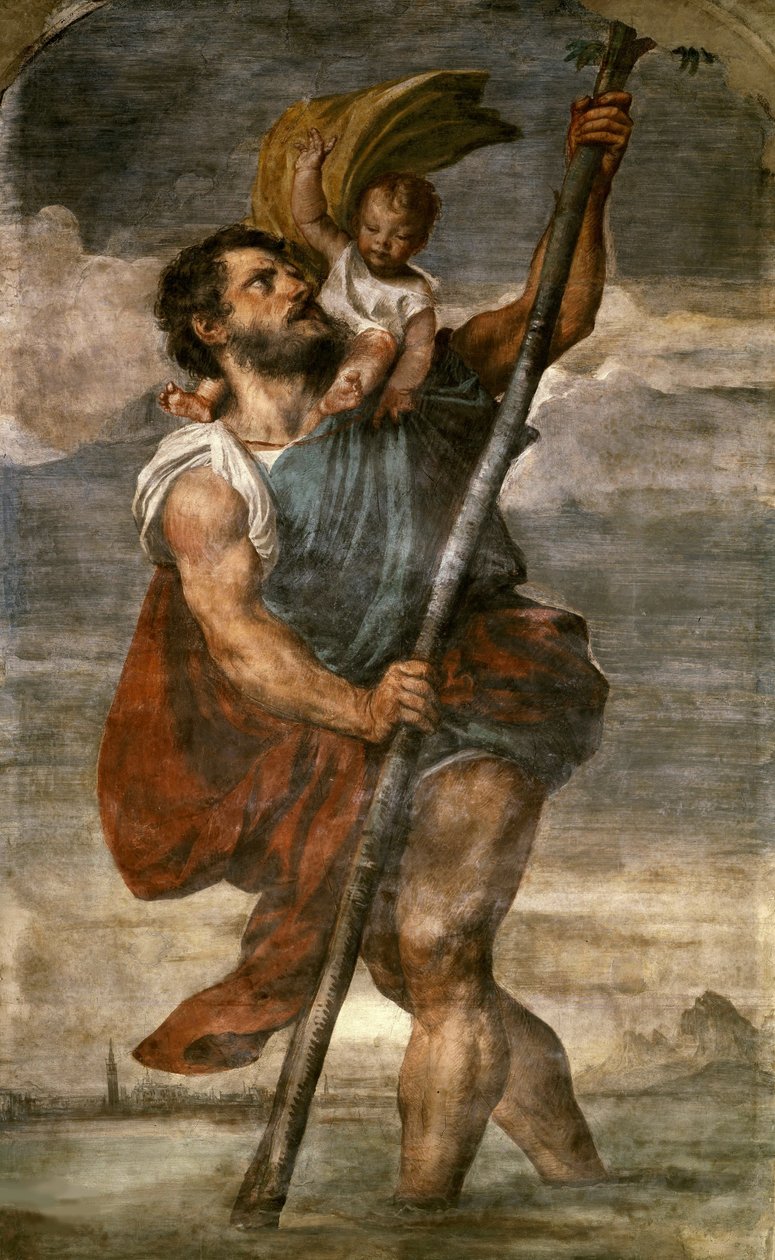
St. Christopher carrying the Christ child
Catholic Bible Study
Thirty-third Sunday in Ordinary Time · Year A
November 15, 2026 · Lectionary 157
Theme: Faithful with what was entrusted. The valiant wife works with loving hands and opens them to the poor; Paul tells the children of light to stay alert and sober; and Jesus warns that the Master will return to settle accounts with every servant to whom He entrusted His goods.
 

Dear Christ Bearers,

Here is this weekend’s Bible study on the Sunday readings.

Read it before Mass, pray through it at home, or work through it with your family or a friend.

Opening Prayer
O Lord Jesus Christ, open the eyes of my heart that I may hear your Word, and understand and do your will. Do not hide your commandments from me, but open my eyes, that I may perceive the wonders of your Law. Speak to me the hidden and secret things of your wisdom. On you I set my hope, O my God, that you shall enlighten my mind and understanding with the light of your knowledge; not only to cherish those things which are written, but to do them; For you are the enlightenment of those who lie in darkness, and from you comes every good deed and every gift. Amen.
Introduction

On the second-to-last Sunday of the Church year, the readings ask what we have done with what God gave us. Proverbs closes with its famous portrait of the “woman of worth,” whose husband trusts her completely, who works with loving hands, reaches out to the poor, and is praised not for charm or beauty but because she fears the LORD. The Psalm blesses the man who fears the LORD, with a wife “like a fruitful vine” and children “like olive plants around your table.” Paul reminds the Thessalonians that the day of the Lord will come “like a thief at night,” but that they are “children of the light,” so they must stay alert and sober. And in the Gospel, a master entrusts huge sums to three servants and leaves. Two put the money to work and double it; the third, out of fear, buries it in the ground. When the master returns, the first two hear “Well done, my good and faithful servant,” and the third is called wicked and lazy.

For us, the thread is stewardship. Everything we have is on loan: our families, our friendships, our skills, our money, our time, and above all the gift of faith. God does not ask everyone to produce the same amount; He gave “to each according to his ability.” He asks each of us to be faithful with what we were given and to put it to work. The servant who buried his talent did not steal or waste anything. He simply did nothing, out of fear and a sour view of his master, and that was enough to condemn him. The question this week is not “How much do I have?” but “What am I doing with it, and will I be ready when He settles accounts?”

Readings for This Study

First Reading: Proverbs 31:10-13, 19-20, 30-31

Responsorial Psalm: Psalm 128:1-2, 3, 4-5 (“Blessed are those who fear the Lord.”)

Second Reading: 1 Thessalonians 5:1-6

Gospel: Matthew 25:14-30

First Reading — Proverbs 31:10-13, 19-20, 30-31
THE READING
“When one finds a worthy wife, her value is far beyond pearls. Her husband, entrusting his heart to her, has an unfailing prize. She brings him good, and not evil, all the days of her life. She obtains wool and flax and works with loving hands. She puts her hands to the distaff, and her fingers ply the spindle. She reaches out her hands to the poor, and extends her arms to the needy. Charm is deceptive and beauty fleeting; the woman who fears the LORD is to be praised. Give her a reward for her labors, and let her works praise her at the city gates.”
 
Key Idea: The book of Proverbs ends not with a king or a sage but with a wife and mother whose faithful, hardworking, generous life is the picture of wisdom itself. She is praised because she fears the LORD.
1. A woman of valor
  • This passage is the finale of the whole book of Proverbs. The full poem (31:10-31) is an acrostic: each of its twenty-two lines begins with the next letter of the Hebrew alphabet, praising this woman “from A to Z.”
    • The Hebrew phrase translated “worthy wife” is אֵשֶׁת חַיִל (ʾēšet ḥayil). The word ḥayil means strength or force and is used for armies and for “mighty men of valor.” She is not a delicate ornament; she is a woman of valor.
    • The same phrase is used of Ruth, the great-grandmother of King David. Ruth 3:11 — “all my townspeople know you to be a worthy woman.”
  • Her husband “entrusting his heart to her, has an unfailing prize.” The whole household rests on her faithfulness. The full poem shows her running a busy estate: buying a field, planting a vineyard, trading, making cloth, feeding her house, teaching with kindness, and caring for the poor.
    • Proverbs 31:28-29 — “Her children rise up and call her blessed; her husband, too, praises her: ‘Many are the women of proven worth, but you have excelled them all.’”
    • Proverbs 18:22 — “To find a wife is to find happiness, a favor granted by the LORD.”
    • Genesis 2:18 — the root of it all: “The LORD God said: It is not good for the man to be alone. I will make a helper suited to him.” The word for “helper,” עֵזֶר (ʿēzer), is used most often in the Old Testament of God Himself coming to Israel’s aid; it is a word of strength, not of inferiority.
  • St. Gregory Nazianzen, Doctor of the Church (c. 374), preaching at his father’s funeral about his mother, Nonna: “I have heard the Scripture say: Who can find a valiant woman? and declare that she is a divine gift, and that a good marriage is brought about by the Lord… she applied herself to God and Divine things as closely as if absolutely released from household cares, allowing neither branch of her duty to interfere with the other, but rather making each of them support the other.” (Oration 18.7-8).

Living it: Notice who praises her: “her husband, too, praises her.” Think of the people whose quiet work holds your home or your community together: a spouse, a mother, a grandmother, a friend. When did you last tell them, out loud and in front of others, what they are worth? No one who has been given a person like that should let them wonder whether we know it.

2. Hands that work and hands that open
  • The reading highlights her hands. She “works with loving hands,” her hands are on the distaff and spindle (spinning thread was constant, essential work), and “she reaches out her hands to the poor, and extends her arms to the needy.” The same hands that build up her own household open to people outside it.
  • Her hidden work is her glory. Most of what she does happens at home, out of the public eye; she does not need to promote herself. The praise comes from others: “let her works praise her at the city gates,” the place where the elders met and business was done.
    • Colossians 3:23 — “Whatever you do, do from the heart, as for the Lord and not for others.”
  • Gregory Nazianzen adds that his mother saw only one beauty worth having, the soul, and held that “the only safe and inviolable form of wealth is… to strip oneself of wealth for God and the poor” (Oration 18.8).
    • 1 Peter 3:3-4 — the New Testament says the same about real beauty: “Your adornment should not be an external one… but rather the hidden character of the heart, expressed in the imperishable beauty of a gentle and calm disposition, which is precious in the sight of God.”

Living it: Your household should run on two kinds of work: building up your family, and opening your hands to the needy. If your family only ever sees you working for yourselves, they are missing half the picture of a godly home. Let your children see your hands open.

3. “The woman who fears the LORD is to be praised”
  • “Charm is deceptive and beauty fleeting.” The poem ends by naming the root of everything she does: she fears the LORD. The Hebrew word for fear here is יִרְאָה (yirʾâ), which means reverence and awe more than terror. It is the humble recognition that God is God and I am not.
    • Proverbs 1:7 — the book opens with the same words it ends with: “Fear of the LORD is the beginning of knowledge; fools despise wisdom and discipline.”
  • St. Augustine (c. 416), on how holy fear leads to love: “Then let fear make the beginning, because the fear of the Lord is the beginning of wisdom. Fear, so to say, prepares a place for charity. But when once charity has begun to inhabit, the fear which prepared the place for it is cast out.” (Homilies on 1 John 9.4).
  • The poem works on two levels. It describes an ideal wife, but it also describes Lady Wisdom herself. Early in Proverbs, wisdom is the one “more precious than corals” (Proverbs 3:15); here the woman of worth is valued “far beyond pearls.” The book that began by inviting a young person to embrace Wisdom ends by showing what Wisdom looks like in a home.
  • CCC 1641 — “This grace proper to the sacrament of Matrimony is intended to perfect the couple’s love and to strengthen their indissoluble unity. By this grace they ‘help one another to attain holiness in their married life and in welcoming and educating their children.’”
    • Ephesians 5:25 — “Husbands, love your wives, even as Christ loved the church and handed himself over for her.”

Living it: This portrait is not only for wives. It shows every one of us what real worth looks like: not charm, not looks, but a person who fears the LORD, works faithfully, and opens their hands to the poor. If you are discerning marriage, look for that. If you are married, honor it in your spouse. And whatever your state in life, become it yourself.

4. The Psalm: “Blessed are those who fear the Lord”
    • The Psalm answers: “Blessed are you who fear the LORD, who walk in his ways!… Your wife shall be like a fruitful vine in the recesses of your home; Your children like olive plants around your table.”
    • The olive tree grows slowly. One grown from seed may not even flower for ten to fifteen years, and it takes decades to reach its full harvest, but then it bears fruit for generations. Children are like that: we invest heavily for years and may not see the fruit of our labor until they are grown. Stay faithful and obedient to God, and trust His timing.
    • Psalm 128 is a wisdom psalm sung by pilgrims going up to Jerusalem. It promises that the fear of the Lord brings blessing on our work (“you shall eat the fruit of your handiwork”) and on our families. The “olive plants” are young olive saplings around the table, and the psalm ends with a priest’s blessing from Zion.

Living it: The Psalm promises a blessed home to those who fear the Lord, not to those who earn the most. Family gathered at your table, and gathered at the Lord’s table on Sunday, is the harvest of a God-fearing life. Lead the people you love to both.

5. The Virtuous Woman and the Church
  • Read allegorically, the woman of worth in Proverbs 31 is the Church, the Bride of Christ, whose value is “far beyond pearls” because of her faithfulness to her divine Bridegroom. As the woman works with loving hands, provides for her household, and reaches out to the poor, the Church nourishes her children with the Word of God, the sacraments, and works of charity. Her strength and dignity reflect the Church’s holiness; her fear of the LORD is the foundation of her wisdom; her husband’s trust is Christ’s faithful love for the Bride He sanctifies by His grace. And the praise “at the city gates” for the fruit of her labor points to the Church’s final glory in Christ.
  • Verse by verse, her work pictures the Church’s work:
    • “She obtains wool and flax” (v. 13): the Church gathers souls from every nation and background and prepares them to be clothed in Christ through Baptism and holiness. “For all of you who were baptized into Christ have clothed yourselves with Christ” (Galatians 3:27).
    • “And works with loving hands” (v. 13): the Church practices charity through her members, expressing faith in works of love, “faith working through love” (Galatians 5:6).
    • “She puts her hands to the distaff, and her fingers ply the spindle” (v. 19): as many fibers are spun into one thread, the Church forms individual believers into the one Body of Christ. “For in one Spirit we were all baptized into one body, whether Jews or Greeks, slaves or free persons, and we were all given to drink of one Spirit” (1 Corinthians 12:13).
    • “She reaches out her hands to the poor” (v. 20): the Church carries out the corporal works of mercy and offers the sacraments, serving Christ in the hungry, the poor, and the suffering. “Whatever you did for one of these least brothers of mine, you did for me” (Matthew 25:40).
    • “And extends her arms to the needy” (v. 20): the Church embraces those in spiritual and material need with mercy, compassion, the Gospel, and the sacraments, continuing the mission of Christ, who was anointed “to bring glad tidings to the poor… to let the oppressed go free” (Luke 4:18).
    • “Give her a reward for her labors” (v. 31): the Church’s faithful works will be revealed and rewarded when Christ returns in glory: “For the wedding day of the Lamb has come, his bride has made herself ready. She was allowed to wear a bright, clean linen garment.” (The linen represents the righteous deeds of the holy ones.) (Revelation 19:7-8).
    • “Let her works praise her at the city gates” (v. 31): the fruits of the Church’s holiness bear witness to Christ before the world and anticipate the heavenly Jerusalem, “prepared as a bride adorned for her husband” (Revelation 21:2).
  • “Charm is deceptive and beauty fleeting” (v. 30). Charm and beauty can stand for the passing attractions of the world: wealth, power, prestige, and outward appearances. The Church’s true beauty does not come from magnificent buildings, worldly influence, or material riches, but from her holiness and fidelity to Christ. As the woman of worth is praised for fearing the LORD rather than for outward beauty, the Church is beautiful because she belongs to Christ and is sanctified by Him.
    • Ephesians 5:25-27 — “Christ loved the church and handed himself over for her… that he might present to himself the church in splendor, without spot or wrinkle or any such thing, that she might be holy and without blemish.”
  • St. Augustine, Doctor of the Church (c. 410), read the Psalm’s wife and children as a picture of Christ and His Church: “Your wife: it is said to Christ. His wife, therefore, is the Church: His Church, His wife, we ourselves are.” And of the children around the table: “Such children ought therefore to be around the Lord’s table, like olive-branches.” (Exposition on Psalm 128, 4, 6).
    • Ephesians 5:32 — Paul says the same of every Christian marriage: “This is a great mystery, but I speak in reference to Christ and the church.”

Living it: The Church is Christ’s bride and our mother. Love her the way He does: speak well of her, serve in your parish, and do not walk away when her members disappoint you. Whoever loves Christ loves His bride.

Discussion
  1. Who is the “woman of valor” (or person of valor) in my life? What do I most admire in them, and when did I last tell them?
  2. Do my children see me “reach out my hands to the poor”? What could we do together as a family?
  3. What does “fear of the LORD” mean to me? Is it fear, reverence, or have I lost it?
Second Reading — 1 Thessalonians 5:1-6
THE READING
“Concerning times and seasons, brothers and sisters, you have no need for anything to be written to you. For you yourselves know very well that the day of the Lord will come like a thief at night. When people are saying, ‘Peace and security,’ then sudden disaster comes upon them, like labor pains upon a pregnant woman, and they will not escape. But you, brothers and sisters, are not in darkness, for that day to overtake you like a thief. For all of you are children of the light and children of the day. We are not of the night or of darkness. Therefore, let us not sleep as the rest do, but let us stay alert and sober.”
 
Key Idea: No one knows when the Lord will come, but Christians are children of the light. The answer to an unknown day is not anxiety but a life lived alert and sober, every day.
1. “Like a thief at night”
  • After comforting the Thessalonians about their dead, Paul turns to the question everyone wanted answered: when? His answer is that they already know all there is to know. The day of the Lord comes suddenly, “like a thief at night.” No one sends a calendar invitation for a break-in.
    • Matthew 24:43-44 — “if the master of the house had known the hour of night when the thief was coming, he would have stayed awake and not let his house be broken into. So too, you also must be prepared, for at an hour you do not expect, the Son of Man will come.”
    • Matthew 24:37-39 — Jesus compares His coming to the flood: “For as it was in the days of Noah, so it will be at the coming of the Son of Man. In [those] days before the flood, they were eating and drinking, marrying and giving in marriage, up to the day that Noah entered the ark. They did not know until the flood came and carried them all away.”
    • Most people, even many Christians, will not be prepared. It is one thing to profess Christ; it is another to live in Him and let Him live in our hearts.
  • Paul does not encourage date-setting or speculation. The “day of the Lord” is the day Christ comes as Savior and Judge. The Church also sees it anticipated every Lord’s Day, when believers come to meet Christ at the altar.

Living it: Many of us treat death and judgment like a far-off retirement date: they will get serious later. Paul says the thief does not give notice. The question is not when He is coming, but whether your house is in order if He comes tonight.

2. “Peace and security”
  • Paul quotes what people will be saying when disaster strikes: “Peace and security.” It sounds like a Roman political slogan, and it echoes the false prophets of Jeremiah’s day, who told the people everything was fine.
    • Jeremiah 6:14 — “They have treated lightly the injury to my people: ‘Peace, peace!’ they say, though there is no peace.”
    • Amos 5:18, 20 — the prophets had already warned that the “day of the LORD” would surprise the complacent: “Woe to those who yearn for the day of the LORD! What will the day of the LORD mean for you? It will be darkness, not light!… gloom without any brightness!”
  • The “sudden disaster” is not annihilation but eternal separation from God, and it comes as suddenly as labor pains: unexpected, unavoidable, and impossible to stop once begun.

Living it: Comfort is the great anesthetic. Someone with a good job, a full fridge, and a quiet weekend can drift into thinking they are “at peace and secure” with God when they have not prayed in weeks. Comfort is a gift; just do not let it put you to sleep.

3. Children of the light, alert and sober
  • “All of you are children of the light and children of the day.” This is a Hebrew way of saying their whole identity belongs to the light: goodness, truth, and Christ Himself. At Baptism they were enlightened, and the darkness no longer owns them.
    • Ephesians 5:8 — “For you were once darkness, but now you are light in the Lord. Live as children of light.”
    • John 8:12 — “I am the light of the world. Whoever follows me will not walk in darkness, but will have the light of life.”
    • CCC 1216 — “Having received in Baptism the Word, ‘the true light that enlightens every man,’ the person baptized has been ‘enlightened,’ he becomes a ‘son of light,’ indeed, he becomes ‘light’ himself.”
  • “Let us stay alert and sober.” The word for sober, νήφω (nēphō), means clearheaded, not drunk, in control of oneself. It covers more than alcohol: it means not being numbed or dulled by anything.
    • 1 Peter 5:8 — “Be sober and vigilant. Your opponent the devil is prowling around like a roaring lion looking for [someone] to devour.”
  • St. Cyprian of Carthage (c. 252), on why Christians pray even at night: “there can be no harm arising from the darkness of night to those who pray, because the children of light have the day even in the night. For when is he without light who has light in his heart? Or when has not he the sun and the day, whose Sun and Day is Christ?” (On the Lord’s Prayer 35).
    • Luke 21:34 — Jesus warned the same: “Beware that your hearts do not become drowsy from carousing and drunkenness and the anxieties of daily life, and that day catch you by surprise.”

Living it: Sobriety is a Christian virtue. Drink, pornography, endless scrolling, binge-watching, gossip, anger: all of them dull the mind until we sleep through our own lives. Pick the thing that numbs you most and cut it back this week, so you can be awake for your family and for God.

Discussion
  1. If I knew Christ would return tonight, what would I do differently today?
  2. Where in my life am I saying “peace and security” when I should be paying attention?
  3. What dulls me or puts me to sleep spiritually? What would “sober” look like for me?
Gospel — Matthew 25:14-30
THE READING
Jesus told his disciples this parable: “A man going on a journey called in his servants and entrusted his possessions to them. To one he gave five talents; to another, two; to a third, one, to each according to his ability. Then he went away. Immediately the one who received five talents went and traded with them, and made another five. Likewise, the one who received two made another two. But the man who received one went off and dug a hole in the ground and buried his master’s money. After a long time the master of those servants came back and settled accounts with them. The one who had received five talents came forward bringing the additional five. He said, ‘Master, you gave me five talents. See, I have made five more.’ His master said to him, ‘Well done, my good and faithful servant. Since you were faithful in small matters, I will give you great responsibilities. Come, share your master’s joy.’ Then the one who had received two talents also came forward and said, ‘Master, you gave me two talents. See, I have made two more.’ His master said to him, ‘Well done, my good and faithful servant. Since you were faithful in small matters, I will give you great responsibilities. Come, share your master’s joy.’ Then the one who had received the one talent came forward and said, ‘Master, I knew you were a demanding person, harvesting where you did not plant and gathering where you did not scatter; so out of fear I went off and buried your talent in the ground. Here it is back.’ His master said to him in reply, ‘You wicked, lazy servant! So you knew that I harvest where I did not plant and gather where I did not scatter? Should you not then have put my money in the bank so that I could have got it back with interest on my return? Now then! Take the talent from him and give it to the one with ten. For to everyone who has, more will be given and he will grow rich; but from the one who has not, even what he has will be taken away. And throw this useless servant into the darkness outside, where there will be wailing and grinding of teeth.’”
 
Key Idea: Everything we have is entrusted to us by the Master, who is coming back to settle accounts. He rewards faithfulness, not size, and He holds us responsible not only for the evil we do but for the good we leave undone.
1. Entrusted with the Master’s goods
  • Like last week’s bridesmaids, this parable is part of Jesus’ final sermon about the end. A wealthy man leaves on a long journey and puts his servants in charge of his money. The long absence is the time between Christ’s Ascension and His return, and for each of us, the length of our own life.
  • A “talent,” τάλαντον (talanton), was not a skill but a huge sum of money, worth about six thousand days’ wages for a laborer, close to twenty years of work (a silver talent). Even the servant with “only one” was holding a fortune. Our modern word “talent” for natural gifts comes from this very parable.
  • The talent is a picture of grace: freely given, never earned.
    • CCC 2010 — “Since the initiative belongs to God in the order of grace, no one can merit the initial grace of forgiveness and justification, at the beginning of conversion.”
  • He gave “to each according to his ability.” God does not hand out the same gifts to everyone, and He does not expect the same return from everyone.
    • CCC 1936, 1937 — “The ‘talents’ are not distributed equally.” “These differences belong to God’s plan, who wills that each receive what he needs from others, and that those endowed with particular ‘talents’ share the benefits with those who need them.”
    • 1 Peter 4:10 — “As each one has received a gift, use it to serve one another as good stewards of God’s varied grace.”

Living it: Stop comparing your talents to someone else’s. You were not given their five; you were given what you were given, by a Master who knows exactly what you can handle. The only question is what you are doing with yours.

2. “Well done, my good and faithful servant”
  • The first two servants get to work “immediately.” They take risks, they trade, and they double the money. When the master returns, both get exactly the same praise, even though one made five and the other two. What the master rewards is faithfulness.
  • Their reward is not retirement but more responsibility and joy: “I will give you great responsibilities. Come, share your master’s joy.” Faithfulness in small things prepares us for great ones.
    • Luke 16:10 — “The person who is trustworthy in very small matters is also trustworthy in great ones; and the person who is dishonest in very small matters is also dishonest in great ones.”
    • Genesis 1:28 — the first entrustment of all: “God blessed them and God said to them: Be fertile and multiply; fill the earth and subdue it. Have dominion…” From the beginning God made man a steward who is expected to make something of what he has been given.
  • CCC 2427 — “Work honors the Creator’s gifts and the talents received from him. It can also be redemptive… He shows himself to be a disciple of Christ by carrying the cross, daily, in the work he is called to accomplish.”

Living it: “Well done” is what every child wants to hear from a parent. You can hear it from your heavenly Father. It is not reserved for the famous or the five-talent people. It is for the one who took what was given, got to work, and stayed faithful.

3. The servant who buried his talent
  • The third servant did not steal, waste, or lose anything. He handed back exactly what he was given. And yet he is called “wicked” and “lazy.” His problem was fear, and behind the fear, a resentful picture of his master as harsh and grasping. Perhaps he also resented getting only one talent while others got more, and refused to do anything that would benefit his master.
  • He had the talent but refused to use it. This is a sin of omission: he would not cooperate with the grace God gave him, and so fell into spiritual sloth (his master calls him “lazy”), one of the seven deadly sins.
    • CCC 1853 — sins can be divided “as sins in thought, word, deed, or omission.”
  • Grace requires cooperation. God gives grace freely, but we must respond to it through faith working through love.
    • Galatians 5:6 — “For in Christ Jesus, neither circumcision nor uncircumcision counts for anything, but only faith working through love.”
    • CCC 2002 — “God’s free initiative demands man’s free response, for God has created man in his image by conferring on him, along with freedom, the power to know him and love him.”
  • CCC 2733 — “Another temptation, to which presumption opens the gate, is acedia. The spiritual writers understand by this a form of depression due to lax ascetical practice, decreasing vigilance, carelessness of heart.” Sloth is not just laziness; it is a heart that has stopped caring.
    • CCC 1866 — “They are called ‘capital’ because they engender other sins, other vices. They are pride, avarice, envy, wrath, lust, gluttony, and sloth or acedia.”
    • CCC 2094 — “acedia or spiritual sloth goes so far as to refuse the joy that comes from God and to be repelled by divine goodness.” The lazy servant never enters his master’s joy because he refused it long before.
  • The servant sins against his master by failing to act, and he is thrown “into the darkness outside.” The “wailing and grinding of teeth” describe the anguish of eternal separation from God: the reality of hell and the consequence of rejecting God’s grace.
    • CCC 1033 — “This state of definitive self-exclusion from communion with God and the blessed is called ‘hell.’”
    • The master does not agree that he is harsh, but even granting the servant’s excuse, he could have done something, anything, to make the money productive. Fear does not justify refusing to act.
    • 1 John 4:18 — “There is no fear in love, but perfect love drives out fear because fear has to do with punishment.”
    • 2 Timothy 1:6-7 — “stir into flame the gift of God that you have… For God did not give us a spirit of cowardice but rather of power and love and self-control.”
    • Genesis 3:10 — after the first sin, Adam says, “I was afraid, because I was naked, so I hid.” Sin distorts our picture of God, so that we see Him as a tyrant holding things back from us, just as the third servant did.
  • St. John Chrysostom, Doctor of the Church (c. 390), preaching on this parable: “Do you see how not only the spoiler, and the covetous, nor only the doer of evil things, but also he that does not good things, is punished with extreme punishment.” (Homily 78 on Matthew).

Living it: Fear buries more talents than laziness does: fear of failing, fear of looking foolish, fear of what it will cost. We can go to Mass every week and still bury our talent if we never share our faith, never pray with our families, never use our gifts for others. Dig it up.

4. Putting the faith to work
  • The greatest thing entrusted to us is the gift of faith and the Word of God. Someone who keeps their faith completely private, who never speaks of Christ, never teaches the children in their life, never encourages a friend, has buried the master’s money.
  • St. Cyril of Alexandria, Doctor of the Church (c. 425), on the duty to pass on what we have received: “Let him then who is entrusted with teaching learn from this… to esteem silence more hurtful to himself than to his hearers, and not to bury the Lord’s talent in listless sloth, as in the earth.” (Commentary on John, Book II).
  • “To everyone who has, more will be given… from the one who has not, even what he has will be taken away.” Gifts that are used grow; gifts that are buried wither. A faith that is never exercised slowly dies.
    • Romans 12:6 — “Since we have gifts that differ according to the grace given to us, let us exercise them.”
    • James 2:17 — “So also faith of itself, if it does not have works, is dead.”

Living it: Every parent, grandparent, godparent, and friend is “entrusted with teaching.” Cyril says silence hurts the teacher more than the hearer. Lead grace at dinner, pray with the children in your life, tell people why you believe. You will find your own faith growing as you give it away.

The Four Senses of Scripture
  • Literal sense (what the words say and what happened): In His last sermon before the Passion, Jesus tells of a master who entrusts large sums to three servants before a long journey. Two trade and double the money and are invited to share their master’s joy; the third buries his talent out of fear and loses everything. Proverbs praises the capable wife who fears the LORD, and Paul warns that the day of the Lord will come like a thief.
  • Allegorical sense (how it points to Christ and the Church):
    • Adam placed in the garden “to cultivate and care for it” and told to be fruitful (Genesis 2:15; 1:28) → the servants entrusted with the master’s goods → the Church and each of us are entrusted with the gospel and the gifts of the Spirit (1 Peter 4:10; Romans 12:6).
    • The valiant wife whose husband trusts her and whose hands open to the poor (Proverbs 31:10-20) → the Church, the bride Christ loved and handed Himself over for (Ephesians 5:25, 32).
    • The prophets’ warning that the day of the LORD would be darkness for the complacent (Amos 5:18; Jeremiah 6:14) → the day that comes “like a thief at night” (1 Thessalonians 5:2; Matthew 24:43-44).
  • Moral sense (how we should act): Use what God has given you (faith, family, skills, money, time) for His purposes, and do not bury it out of fear or laziness. Stay awake and sober as children of the light. Honor the wives and mothers whose hidden work holds families together.
  • Anagogical sense (where it leads): The master returns “after a long time” to settle accounts; the faithful hear, “Come, share your master’s joy.” Our talents are given for a short time; the joy is forever.
Discussion
  1. What “talents” has God entrusted to me: gifts, money, time, people, faith? Which ones am I using well?
  2. Is there a talent I have buried out of fear? What am I afraid of?
  3. Chrysostom says the one who “does not good things” is punished too. What good have I been leaving undone?
Practical Application for the Week
  1. Praise them at the gates. Tell someone whose faithful work holds your family or community together (a spouse, parent, grandparent, or friend) specifically, and in front of others if possible, what you admire about them.
  2. Take inventory. Write down five gifts God has entrusted to you (skills, money, time, relationships, faith). Next to each, write one way you will put it to work for Him this week.
  3. Dig up one talent. Name one gift you have buried out of fear (teaching, leading prayer, serving, speaking up) and use it once this week.
Closing Prayer
Lord God, Master of all that we have, everything we hold is Yours, entrusted to us for a time. Thank You for the women and men of valor in our lives, whose faithful hands build up our homes and open to the poor. Teach us to fear You with reverence and to walk in Your ways. Keep us awake and sober as children of the light, so that Your day does not overtake us like a thief. Free us from the fear that buries Your gifts and from the sloth that leaves good undone. Give us courage to put every talent to work for You and for our neighbor, and to pass on the faith we have received. And when You return to settle accounts, let us hear Your voice say: Well done, my good and faithful servant; come, share your master’s joy. Through Christ our Lord. Amen.

St. Christopher, pray for us.

Christ Bearer Apostolate emblem Warmly,
Christopher
Christ Bearer Apostolate
A lay apostolate spreading the love of God in word and in deed
www.christbearerapostolate.com

Estudio bíblico semanal: Trigésimo tercer domingo del Tiempo Ordinario

Tema: Fieles con lo que se nos confió. La mujer hacendosa trabaja con sus manos y las abre al pobre; Pablo dice a los hijos de la luz que se mantengan despiertos y vivan sobriamente; y Jesús advierte que el Señor volverá a pedir cuentas a cada servidor al que encargó sus bienes.

CHRIST BEARER APOSTOLATE
EL ESTUDIO BÍBLICO SEMANAL
St. Christopher carrying the Christ child
Estudio Bíblico Católico
Trigésimo tercer domingo del Tiempo Ordinario · Ciclo A
15 de noviembre de 2026 · Leccionario 157
Tema: Fieles con lo que se nos confió. La mujer hacendosa trabaja con sus manos y las abre al pobre; Pablo dice a los hijos de la luz que se mantengan despiertos y vivan sobriamente; y Jesús advierte que el Señor volverá a pedir cuentas a cada servidor al que encargó sus bienes.
 

Queridos portadores de Cristo:

Aquí está el estudio bíblico de este fin de semana sobre las lecturas del domingo.

Léelo antes de Misa, ora con él en casa o estúdialo con tu familia o con un amigo.

Oración inicial
Oh Señor Jesucristo, abre los ojos de mi corazón para que escuche tu Palabra, y comprenda y cumpla tu voluntad. No me escondas tus mandamientos, sino abre mis ojos para que contemple las maravillas de tu Ley. Háblame de las cosas ocultas y secretas de tu sabiduría. En ti pongo mi esperanza, oh Dios mío, para que ilumines mi mente y mi entendimiento con la luz de tu conocimiento; no solo para apreciar lo que está escrito, sino para ponerlo en práctica; porque tú eres la luz de los que yacen en tinieblas, y de ti procede toda obra buena y todo don. Amén.
Introducción

En el penúltimo domingo del año litúrgico, las lecturas nos preguntan qué hemos hecho con lo que Dios nos dio. El Libro de los Proverbios se cierra con su famoso retrato de la “mujer hacendosa”, en quien su marido confía plenamente, que trabaja con sus manos, abre sus manos al pobre y es alabada no por sus encantos ni por su hermosura, sino porque teme al Señor. El salmo bendice al hombre que teme al Señor, con una esposa “como vid fecunda” e hijos “como renuevos de olivo, alrededor de su mesa”. Pablo recuerda a los tesalonicenses que el día del Señor llegará “como un ladrón en la noche”, pero que ellos son “hijos de la luz”, y por eso deben mantenerse despiertos y vivir sobriamente. Y en el Evangelio, un hombre encarga enormes sumas a tres servidores y se va de viaje. Dos ponen el dinero a trabajar y lo duplican; el tercero, por miedo, lo esconde bajo tierra. Cuando el señor regresa, los dos primeros escuchan: “Te felicito, siervo bueno y fiel”, y al tercero lo llama malo y perezoso.

Para nosotros, el hilo conductor es la administración fiel de lo recibido. Todo lo que tenemos es prestado: nuestra familia, nuestras amistades, nuestras habilidades, nuestro dinero, nuestro tiempo y, sobre todo, el don de la fe. Dios no pide a todos que produzcan lo mismo; dio a cada uno “según la capacidad de cada uno”. Nos pide a cada uno que seamos fieles con lo que recibimos y que lo pongamos a trabajar. El servidor que escondió su talento no robó ni malgastó nada. Simplemente no hizo nada, por miedo y por la idea amarga que tenía de su señor, y eso bastó para condenarlo. La pregunta de esta semana no es “¿Cuánto tengo?”, sino “¿Qué estoy haciendo con ello, y estaré preparado cuando Él me pida cuentas?”.

Lecturas de este estudio

Primera lectura: Proverbios 31, 10-13. 19-20. 30-31

Salmo responsorial: Salmo 127 (128), 1-2. 3. 4-5 (“Dichoso el que teme al Señor”)

Segunda lectura: 1 Tesalonicenses 5, 1-6

Evangelio: Mateo 25, 14-30

Primera lectura — Proverbios 31, 10-13. 19-20. 30-31
LA LECTURA
“Dichoso el hombre que encuentra una mujer hacendosa: muy superior a las perlas es su valor. Su marido confía en ella y, con su ayuda, él se enriquecerá; todos los días de su vida le procurará bienes y no males. Adquiere lana y lino y los trabaja con sus hábiles manos. Sabe manejar la rueca y con sus dedos mueve el huso; abre sus manos al pobre y las tiende al desvalido. Son engañosos los encantos y vana la hermosura; merece alabanza la mujer que teme al Señor. Es digna de gozar del fruto de sus trabajos y de ser alabada por todos.”
 
Idea clave: El Libro de los Proverbios no termina con un rey ni con un sabio, sino con una esposa y madre cuya vida fiel, trabajadora y generosa es el retrato de la sabiduría misma. Es alabada porque teme al Señor.
1. Una mujer valerosa
  • Este pasaje es el final de todo el Libro de los Proverbios. El poema completo (31, 10-31) es un acróstico: cada uno de sus veintidós versos comienza con la letra siguiente del alfabeto hebreo, y así alaba a esta mujer “de la A a la Z”.
    • La expresión hebrea que se traduce como “mujer hacendosa” es אֵשֶׁת חַיִל (ʾēšet ḥayil). La palabra ḥayil significa fuerza o vigor, y se usa para los ejércitos y para los “hombres valientes”. No es un adorno delicado; es una mujer valerosa.
    • La misma expresión se usa para Rut, la bisabuela del rey David. Rut 3, 11 — “toda la gente de mi pueblo sabe muy bien que eres una mujer virtuosa”.
  • “Su marido confía en ella”: toda la casa descansa en su fidelidad. El poema completo la muestra al frente de una hacienda llena de actividad: compra un campo, planta una viña, comercia, teje telas, alimenta a su familia, enseña con bondad y cuida de los pobres.
    • Proverbios 31, 28-29 — “Sus hijos se levantan y la felicitan, y también su marido la elogia: ‘¡Muchas mujeres han dado pruebas de entereza, pero tú las superas a todas!’”.
    • Proverbios 18, 22 — “El que encontró una mujer encontró la felicidad y obtuvo el favor del Señor”.
    • Génesis 2, 18 — la raíz de todo: “Después dijo el Señor Dios: ‘No conviene que el hombre esté solo. Voy a hacerle una ayuda adecuada’”. La palabra “ayuda”, עֵזֶר (ʿēzer), se usa en el Antiguo Testamento sobre todo para Dios mismo cuando viene en auxilio de Israel; es una palabra de fuerza, no de inferioridad.
  • San Gregorio Nacianceno, Doctor de la Iglesia (hacia el año 374), predicando en el funeral de su padre acerca de su madre, Nona: “He oído decir a la Escritura: ¿Quién hallará una mujer valerosa?, y declarar que ella es un don divino, y que un buen matrimonio es obra del Señor… se dedicaba a Dios y a las cosas divinas tan de cerca como si estuviera del todo libre de los cuidados del hogar, sin permitir que ninguna de sus dos obligaciones estorbara a la otra, sino haciendo más bien que cada una sostuviera a la otra” (Discurso 18, 7-8).

Para vivirlo: Fíjate en quién la alaba: “también su marido la elogia”. Piensa en las personas cuyo trabajo callado sostiene tu hogar o tu comunidad: un esposo o una esposa, una madre, una abuela, un amigo. ¿Cuándo fue la última vez que les dijiste, en voz alta y delante de otros, cuánto valen? Nadie que haya recibido a una persona así debería dejarla con la duda de si sabemos apreciarla.

2. Manos que trabajan y manos que se abren
  • La lectura destaca sus manos. Trabaja la lana y el lino “con sus hábiles manos”, sus manos manejan la rueca y el huso (hilar era un trabajo constante e indispensable), y “abre sus manos al pobre y las tiende al desvalido”. Las mismas manos que edifican su propia casa se abren a los de fuera.
  • Su trabajo escondido es su gloria. Casi todo lo que hace ocurre en casa, lejos de las miradas; no necesita promocionarse. La alabanza viene de otros: el texto hebreo dice literalmente que sus obras la alaben “en las puertas de la ciudad”, el lugar donde se reunían los ancianos y se hacían los negocios. Nuestro leccionario lo expresa así: que sea “alabada por todos”.
    • Colosenses 3, 23 — “Cualquiera sea el trabajo de ustedes, háganlo de todo corazón, teniendo en cuenta que es para el Señor y no para los hombres”.
  • Gregorio Nacianceno añade que su madre veía una sola belleza digna de tenerse, la del alma, y sostenía que “la única forma de riqueza segura e inviolable es… despojarse de la riqueza por Dios y por los pobres” (Discurso 18, 8).
    • 1 Pedro 3, 3-4 — el Nuevo Testamento dice lo mismo sobre la verdadera belleza: “Que su elegancia no sea el adorno exterior… sino la actitud interior del corazón, el adorno incorruptible de un espíritu dulce y sereno. Esto es lo que vale a los ojos de Dios”.

Para vivirlo: Tu hogar debería funcionar con dos clases de trabajo: edificar a tu familia y abrir las manos al necesitado. Si tu familia solo te ve trabajar para ustedes mismos, le falta la mitad del retrato de un hogar cristiano. Que tus hijos vean tus manos abiertas.

3. “Merece alabanza la mujer que teme al Señor”
  • “Son engañosos los encantos y vana la hermosura.” El poema termina nombrando la raíz de todo lo que ella hace: teme al Señor. La palabra hebrea para temor aquí es יִרְאָה (yirʾâ), que significa reverencia y asombro más que terror. Es el reconocimiento humilde de que Dios es Dios y yo no lo soy.
    • Proverbios 1, 7 — el libro empieza con las mismas palabras con que termina: “El temor del Señor es el comienzo de la sabiduría, los necios desprecian la sabiduría y la instrucción”.
  • San Agustín (hacia el año 416), sobre cómo el santo temor conduce al amor: “Que el temor, pues, sea el comienzo, porque el temor del Señor es el principio de la sabiduría. El temor, por así decirlo, prepara un lugar para la caridad. Pero cuando la caridad ha comenzado a habitar, el temor que le preparó el lugar es echado fuera” (Comentario a la Primera Carta de san Juan 9, 4).
  • El poema funciona en dos niveles. Describe a una esposa ideal, pero describe también a la Sabiduría misma. Al comienzo de Proverbios, la sabiduría “es más preciosa que las perlas” (Proverbios 3, 15); aquí, del valor de la mujer hacendosa se dice que es “muy superior a las perlas”. El libro que empezó invitando al joven a abrazar la Sabiduría termina mostrando cómo se ve la Sabiduría dentro de un hogar.
  • CIC 1641 — “Esta gracia propia del sacramento del Matrimonio está destinada a perfeccionar el amor de los cónyuges, a fortalecer su unidad indisoluble. Por medio de esta gracia ‘se ayudan mutuamente a santificarse en la vida conyugal y en la acogida y educación de los hijos’”.
    • Efesios 5, 25 — “Maridos, amen a su esposa, como Cristo amó a la Iglesia y se entregó por ella”.

Para vivirlo: Este retrato no es solo para las esposas. Nos muestra a todos cómo es el verdadero valor: no los encantos ni la apariencia, sino una persona que teme al Señor, trabaja con fidelidad y abre sus manos al pobre. Si estás discerniendo el matrimonio, busca eso. Si estás casado, hónralo en tu cónyuge. Y cualquiera que sea tu estado de vida, conviértete tú mismo en eso.

4. El salmo: “Dichoso el que teme al Señor”
    • El salmo responde: “Dichoso el que teme al Señor y sigue sus caminos… Su mujer como vid fecunda, en medio de su casa; sus hijos, como renuevos de olivo, alrededor de su mesa”.
    • El olivo crece despacio. Uno plantado de semilla puede tardar de diez a quince años en dar flor, y necesita décadas para llegar a su cosecha plena, pero después da fruto por generaciones. Los hijos son así: invertimos mucho durante años y quizá no veamos el fruto de nuestro trabajo hasta que sean adultos. Mantente fiel y obediente a Dios, y confía en sus tiempos.
    • El Salmo 127 (128) es un salmo sapiencial que cantaban los peregrinos al subir a Jerusalén. Promete que el temor del Señor trae bendición sobre nuestro trabajo (“comerá del fruto de su trabajo”) y sobre nuestra familia. Los “renuevos de olivo” son los olivos jóvenes alrededor de la mesa, y el salmo termina con una bendición sacerdotal desde Sión.

Para vivirlo: El salmo promete un hogar bendecido a quienes temen al Señor, no a quienes más ganan. La familia reunida alrededor de tu mesa, y reunida alrededor de la mesa del Señor el domingo, es la cosecha de una vida que teme a Dios. Lleva a las personas que amas a ambas mesas.

5. La mujer virtuosa y la Iglesia
  • Leída en sentido alegórico, la mujer hacendosa de Proverbios 31 es la Iglesia, la Esposa de Cristo, cuyo valor es “muy superior a las perlas” por su fidelidad a su divino Esposo. Así como la mujer trabaja con sus manos, provee a su casa y abre sus manos al pobre, la Iglesia alimenta a sus hijos con la Palabra de Dios, los sacramentos y las obras de caridad. Su fuerza y su dignidad reflejan la santidad de la Iglesia; su temor del Señor es el fundamento de su sabiduría; la confianza de su marido es el amor fiel de Cristo por la Esposa a la que santifica con su gracia. Y la alabanza pública por el fruto de su trabajo apunta a la gloria final de la Iglesia en Cristo.
  • Verso por verso, su trabajo es imagen del trabajo de la Iglesia:
    • “Adquiere lana y lino” (v. 13): la Iglesia reúne almas de todas las naciones y orígenes y las prepara para revestirse de Cristo por el Bautismo y la santidad. “Todos ustedes, que fueron bautizados en Cristo, han sido revestidos de Cristo” (Gálatas 3, 27).
    • “Y los trabaja con sus hábiles manos” (v. 13): la Iglesia practica la caridad por medio de sus miembros, expresando la fe en obras de amor, “la fe que obra por medio del amor” (Gálatas 5, 6).
    • “Sabe manejar la rueca y con sus dedos mueve el huso” (v. 19): así como muchas fibras se hilan en un solo hilo, la Iglesia forma a cada creyente en el único Cuerpo de Cristo. “Porque todos hemos sido bautizados en un solo Espíritu para formar un solo Cuerpo –judíos y griegos, esclavos y hombres libres– y todos hemos bebido de un mismo Espíritu” (1 Corintios 12, 13).
    • “Abre sus manos al pobre” (v. 20): la Iglesia realiza las obras de misericordia corporales y ofrece los sacramentos, sirviendo a Cristo en el hambriento, el pobre y el que sufre. “Cada vez que lo hicieron con el más pequeño de mis hermanos, lo hicieron conmigo” (Mateo 25, 40).
    • “Y las tiende al desvalido” (v. 20): la Iglesia abraza a los que pasan necesidad espiritual y material con misericordia, compasión, el Evangelio y los sacramentos, y continúa la misión de Cristo, ungido “a llevar la Buena Noticia a los pobres… a dar la libertad a los oprimidos” (Lucas 4, 18).
    • “Es digna de gozar del fruto de sus trabajos” (v. 31): las obras fieles de la Iglesia serán reveladas y recompensadas cuando Cristo vuelva en gloria: “han llegado las bodas del Cordero: su esposa ya se ha preparado, y la han vestido con lino fino de blancura resplandeciente. El lino simboliza las buenas acciones de los santos” (Apocalipsis 19, 7-8).
    • “Y de ser alabada por todos” (v. 31): los frutos de la santidad de la Iglesia dan testimonio de Cristo ante el mundo y anticipan la Jerusalén celestial, “embellecida como una novia preparada para recibir a su esposo” (Apocalipsis 21, 2).
  • “Son engañosos los encantos y vana la hermosura” (v. 30). Los encantos y la hermosura pueden representar los atractivos pasajeros del mundo: la riqueza, el poder, el prestigio y las apariencias. La verdadera belleza de la Iglesia no viene de edificios magníficos, de la influencia mundana ni de las riquezas materiales, sino de su santidad y de su fidelidad a Cristo. Así como la mujer hacendosa es alabada por temer al Señor y no por su belleza exterior, la Iglesia es hermosa porque pertenece a Cristo y es santificada por Él.
    • Efesios 5, 25-27 — “Cristo amó a la Iglesia y se entregó por ella… porque quiso para sí una Iglesia resplandeciente, sin mancha ni arruga y sin ningún defecto, sino santa e inmaculada”.
  • San Agustín, Doctor de la Iglesia (hacia el año 410), leyó la esposa y los hijos del salmo como imagen de Cristo y de su Iglesia: “Tu esposa: se le dice a Cristo. Su esposa, por tanto, es la Iglesia: su Iglesia, su esposa, somos nosotros mismos”. Y sobre los hijos alrededor de la mesa: “Tales hijos deben, pues, estar alrededor de la mesa del Señor, como renuevos de olivo” (Comentario al Salmo 127 [128], 4. 6).
    • Efesios 5, 32 — Pablo dice lo mismo de todo matrimonio cristiano: “Este es un gran misterio: y yo digo que se refiere a Cristo y a la Iglesia”.

Para vivirlo: La Iglesia es la esposa de Cristo y nuestra madre. Ámala como Él la ama: habla bien de ella, sirve en tu parroquia y no te alejes cuando sus miembros te decepcionen. Quien ama a Cristo ama a su esposa.

Para conversar
  1. ¿Quién es la “mujer valerosa” (o la persona valerosa) en mi vida? ¿Qué es lo que más admiro de ella, y cuándo fue la última vez que se lo dije?
  2. ¿Me ven mis hijos “abrir mis manos al pobre”? ¿Qué podríamos hacer juntos como familia?
  3. ¿Qué significa para mí el “temor del Señor”? ¿Es miedo, es reverencia, o lo he perdido?
Segunda lectura — 1 Tesalonicenses 5, 1-6
LA LECTURA
“Hermanos: Por lo que se refiere al tiempo y a las circunstancias de la venida del Señor, no necesitan que les escribamos nada, puesto que ustedes saben perfectamente que el día del Señor llegará como un ladrón en la noche. Cuando la gente esté diciendo: ‘¡Qué paz y qué seguridad tenemos!’, de repente vendrá sobre ellos la catástrofe, como de repente le vienen a la mujer encinta los dolores del parto, y no podrán escapar. Pero a ustedes, hermanos, ese día no los tomará por sorpresa, como un ladrón, porque ustedes no viven en tinieblas, sino que son hijos de la luz y del día, no de la noche y las tinieblas. Por lo tanto, no vivamos dormidos, como los malos; antes bien, mantengámonos despiertos y vivamos sobriamente.”
 
Idea clave: Nadie sabe cuándo vendrá el Señor, pero los cristianos son hijos de la luz. La respuesta a un día desconocido no es la angustia, sino una vida despierta y sobria, todos los días.
1. “Como un ladrón en la noche”
  • Después de consolar a los tesalonicenses por sus difuntos, Pablo pasa a la pregunta que todos querían resolver: ¿cuándo? Su respuesta es que ya saben todo lo que hay que saber. El día del Señor llega de repente, “como un ladrón en la noche”. Nadie manda una invitación de calendario antes de entrar a robar.
    • Mateo 24, 43-44 — “si el dueño de casa supiera a qué hora de la noche va a llegar el ladrón, velaría y no dejaría perforar las paredes de su casa. Ustedes también estén preparados, porque el Hijo del hombre vendrá a la hora menos pensada”.
    • Mateo 24, 37-39 — Jesús compara su venida con el diluvio: “Cuando venga el Hijo del hombre, sucederá como en tiempos de Noé. En los días que precedieron al diluvio, la gente comía, bebía y se casaba, hasta que Noé entró en el arca; y no sospechaban nada, hasta que llegó el diluvio y los arrastró a todos”.
    • La mayoría de la gente, incluso muchos cristianos, no estará preparada. Una cosa es profesar a Cristo; otra es vivir en Él y dejar que Él viva en nuestro corazón.
  • Pablo no anima a fijar fechas ni a especular. El “día del Señor” es el día en que Cristo viene como Salvador y Juez. La Iglesia lo ve también anticipado cada domingo, el Día del Señor, cuando los creyentes acuden a encontrarse con Cristo en el altar.

Para vivirlo: Muchos tratamos la muerte y el juicio como una fecha de jubilación lejana: ya nos pondremos serios más adelante. Pablo dice que el ladrón no avisa. La pregunta no es cuándo viene Él, sino si tu casa está en orden en caso de que venga esta noche.

2. “¡Qué paz y qué seguridad!”
  • Pablo cita lo que la gente estará diciendo cuando llegue la catástrofe: “¡Qué paz y qué seguridad tenemos!”. Suena a un lema político romano, y hace eco de los falsos profetas de los tiempos de Jeremías, que le decían al pueblo que todo estaba bien.
    • Jeremías 6, 14 — “Ellos curan a la ligera el quebranto de mi pueblo, diciendo: ‘¡Paz, paz!’, pero no hay paz”.
    • Amós 5, 18. 20 — los profetas ya habían advertido que el “Día del Señor” tomaría por sorpresa a los que vivían tranquilos: “¡Ay de los que suspiran por el Día del Señor! ¿Qué será para ustedes el Día del Señor? ¡Será tinieblas y no luz!… será oscuro, sin ningún resplandor”.
  • La “catástrofe” no es la aniquilación, sino la separación eterna de Dios, y llega tan de repente como los dolores del parto: inesperada, inevitable e imposible de detener una vez que comienza.

Para vivirlo: La comodidad es la gran anestesia. Alguien con un buen trabajo, el refrigerador lleno y un fin de semana tranquilo puede llegar a pensar que está “en paz y seguro” con Dios aunque lleve semanas sin rezar. La comodidad es un regalo; solo no dejes que te adormezca.

3. Hijos de la luz, despiertos y sobrios
  • “Son hijos de la luz y del día.” Es una manera hebrea de decir que toda su identidad pertenece a la luz: al bien, a la verdad y a Cristo mismo. En el Bautismo fueron iluminados, y las tinieblas ya no son dueñas de ellos.
    • Efesios 5, 8 — “Antes, ustedes eran tinieblas, pero ahora son luz en el Señor. Vivan como hijos de la luz”.
    • Juan 8, 12 — “Yo soy la luz del mundo. El que me sigue no andará en tinieblas, sino que tendrá la luz de la Vida”.
    • CIC 1216 — “Habiendo recibido en el Bautismo al Verbo, ‘la luz verdadera que ilumina a todo hombre’, el bautizado, ‘tras haber sido iluminado’, se convierte en ‘hijo de la luz’, y en ‘luz’ él mismo”.
  • “Mantengámonos despiertos y vivamos sobriamente.” La palabra que se traduce como “sobrio”, νήφω (nēphō), significa lúcido, no embriagado, dueño de sí. Abarca más que el alcohol: significa no dejarse adormecer ni embotar por nada.
    • 1 Pedro 5, 8 — “Sean sobrios y estén siempre alerta, porque su enemigo, el demonio, ronda como un león rugiente, buscando a quién devorar”.
  • San Cipriano de Cartago (hacia el año 252), sobre por qué los cristianos rezan incluso de noche: “no puede venir daño alguno de la oscuridad de la noche a los que oran, porque los hijos de la luz tienen el día aun en la noche. Pues, ¿cuándo está sin luz el que tiene la luz en su corazón? ¿O cuándo no tiene el sol y el día aquel cuyo Sol y Día es Cristo?” (Sobre la oración del Señor, 35).
    • Lucas 21, 34 — Jesús advirtió lo mismo: “Tengan cuidado de no dejarse aturdir por los excesos, la embriaguez y las preocupaciones de la vida, para que ese día no caiga de improviso sobre ustedes”.

Para vivirlo: La sobriedad es una virtud cristiana. La bebida, la pornografía, pasar horas en el celular, ver series sin parar, el chisme, el enojo: todo eso embota la mente hasta que pasamos dormidos por nuestra propia vida. Elige lo que más te adormece y redúcelo esta semana, para estar despierto para tu familia y para Dios.

Para conversar
  1. Si supiera que Cristo vuelve esta noche, ¿qué haría hoy de manera diferente?
  2. ¿En qué aspecto de mi vida estoy diciendo “¡Qué paz y qué seguridad!” cuando debería estar atento?
  3. ¿Qué me adormece o me embota espiritualmente? ¿Cómo sería para mí vivir “sobriamente”?
Evangelio — Mateo 25, 14-30
LA LECTURA
En aquel tiempo, Jesús dijo a sus discípulos esta parábola: “El Reino de los cielos se parece también a un hombre que iba a salir de viaje a tierras lejanas; llamó a sus servidores de confianza y les encargó sus bienes. A uno le dio cinco talentos; a otro, dos; y a un tercero, uno, según la capacidad de cada uno, y luego se fue. El que recibió cinco talentos fue enseguida a negociar con ellos y ganó otros cinco. El que recibió dos hizo lo mismo y ganó otros dos. En cambio, el que recibió un talento hizo un hoyo en la tierra y allí escondió el dinero de su señor. Después de mucho tiempo regresó aquel hombre y llamó a cuentas a sus servidores. Se acercó el que había recibido cinco talentos y le presentó otros cinco, diciendo: ‘Señor, cinco talentos me dejaste; aquí tienes otros cinco, que con ellos he ganado’. Su señor le dijo: ‘Te felicito, siervo bueno y fiel. Puesto que has sido fiel en cosas de poco valor, te confiaré cosas de mucho valor. Entra a tomar parte en la alegría de tu señor’. Se acercó luego el que había recibido dos talentos y le dijo: ‘Señor, dos talentos me dejaste; aquí tienes otros dos, que con ellos he ganado’. Su señor le dijo: ‘Te felicito, siervo bueno y fiel. Puesto que has sido fiel en cosas de poco valor, te confiaré cosas de mucho valor. Entra a tomar parte en la alegría de tu señor’. Finalmente, se acercó el que había recibido un talento y le dijo: ‘Señor, yo sabía que eres un hombre duro, que quieres cosechar lo que no has plantado y recoger lo que no has sembrado. Por eso tuve miedo y fui a esconder tu talento bajo tierra. Aquí tienes lo tuyo’. El señor le respondió: ‘Siervo malo y perezoso. Sabías que cosecho lo que no he plantado y recojo lo que no he sembrado. ¿Por qué, entonces, no pusiste mi dinero en el banco, para que a mi regreso lo recibiera yo con intereses? Quítenle el talento y dénselo al que tiene diez. Pues al que tiene se le dará y le sobrará; pero al que tiene poco, se le quitará aun eso poco que tiene. Y a este hombre inútil, échenlo fuera, a las tinieblas. Allí será el llanto y la desesperación’”.
 
Idea clave: Todo lo que tenemos nos lo ha confiado el Señor, que volverá a pedir cuentas. Él premia la fidelidad, no el tamaño, y nos pide cuentas no solo del mal que hacemos, sino también del bien que dejamos de hacer.
1. Encargados de los bienes del Señor
  • Como la parábola de las jóvenes de la semana pasada, esta forma parte del último discurso de Jesús sobre el fin. Un hombre rico sale de viaje por largo tiempo y deja a sus servidores a cargo de su dinero. La larga ausencia es el tiempo entre la Ascensión de Cristo y su regreso y, para cada uno de nosotros, la duración de nuestra propia vida.
  • Un “talento”, τάλαντον (talanton), no era una habilidad, sino una suma enorme de dinero, equivalente a unos seis mil jornales de un trabajador, casi veinte años de trabajo (un talento de plata). Incluso el servidor que recibió “solo uno” tenía en sus manos una fortuna. Nuestra palabra moderna “talento”, para referirnos a las capacidades naturales, viene precisamente de esta parábola.
  • El talento es una imagen de la gracia: dada gratuitamente, nunca ganada.
    • CIC 2010 — “Puesto que la iniciativa en el orden de la gracia pertenece a Dios, nadie puede merecer la gracia primera, en el inicio de la conversión, del perdón y de la justificación”.
  • Dio a cada uno “según la capacidad de cada uno”. Dios no reparte los mismos dones a todos, y no espera de todos el mismo rendimiento.
    • CIC 1936, 1937 — “Los ‘talentos’ no están distribuidos por igual”. “Estas diferencias pertenecen al plan de Dios, que quiere que cada uno reciba de otro aquello que necesita, y que quienes disponen de ‘talentos’ particulares comuniquen sus beneficios a los que los necesiten”.
    • 1 Pedro 4, 10 — “Pongan al servicio de los demás los dones que han recibido, como buenos administradores de la multiforme gracia de Dios”.

Para vivirlo: Deja de comparar tus talentos con los de otros. No recibiste los cinco de otra persona; recibiste lo que recibiste, de un Señor que sabe exactamente lo que puedes manejar. La única pregunta es qué estás haciendo con los tuyos.

2. “Te felicito, siervo bueno y fiel”
  • Los dos primeros servidores se ponen a trabajar “enseguida”. Se arriesgan, negocian y duplican el dinero. Cuando el señor regresa, los dos reciben exactamente el mismo elogio, aunque uno ganó cinco y el otro dos. Lo que el señor premia es la fidelidad.
  • Su premio no es la jubilación, sino más responsabilidad y alegría: “te confiaré cosas de mucho valor. Entra a tomar parte en la alegría de tu señor”. La fidelidad en lo pequeño nos prepara para lo grande.
    • Lucas 16, 10 — “El que es fiel en lo poco, también es fiel en lo mucho, y el que es deshonesto en lo poco, también es deshonesto en lo mucho”.
    • Génesis 1, 28 — el primer encargo de todos: “Y los bendijo, diciéndoles: ‘Sean fecundos, multiplíquense, llenen la tierra y sométanla; dominen…’”. Desde el principio Dios hizo al hombre administrador, y espera que saque fruto de lo que ha recibido.
  • CIC 2427 — “El trabajo honra los dones del Creador y los talentos recibidos. Puede ser también redentor… Se muestra como discípulo de Cristo llevando la Cruz cada día, en la actividad que está llamado a realizar”.

Para vivirlo: “Te felicito” es lo que todo hijo quiere oír de su padre. Tú puedes oírlo de tu Padre del cielo. No está reservado para los famosos ni para los de cinco talentos. Es para quien tomó lo que recibió, se puso a trabajar y se mantuvo fiel.

3. El servidor que escondió su talento
  • El tercer servidor no robó, ni malgastó, ni perdió nada. Devolvió exactamente lo que había recibido. Y aun así lo llaman “malo” y “perezoso”. Su problema fue el miedo y, detrás del miedo, una imagen resentida de su señor como alguien duro y ambicioso. Quizá también le molestaba haber recibido un solo talento mientras otros recibían más, y se negó a hacer cualquier cosa que beneficiara a su señor.
  • Tenía el talento, pero se negó a usarlo. Es un pecado de omisión: no quiso cooperar con la gracia que Dios le dio, y así cayó en la pereza espiritual (su señor lo llama “perezoso”), uno de los siete pecados capitales.
    • CIC 1853 — los pecados se pueden dividir “en pecados de pensamiento, palabra, acción u omisión”.
  • La gracia exige cooperación. Dios da la gracia gratuitamente, pero debemos responder a ella por medio de la fe que obra por el amor.
    • Gálatas 5, 6 — “En efecto, en Cristo Jesús, ya no cuenta la circuncisión ni la incircuncisión, sino la fe que obra por medio del amor”.
    • CIC 2002 — “La libre iniciativa de Dios exige la respuesta libre del hombre, porque Dios creó al hombre a su imagen concediéndole, con la libertad, el poder de conocerle y amarle”.
  • CIC 2733 — “Otra tentación a la que abre la puerta la presunción es la acedia. Los Padres espirituales entienden por ella una forma de aspereza o de desabrimiento debidos a la pereza, al relajamiento de la ascesis, al descuido de la vigilancia, a la negligencia del corazón”. La pereza no es solo flojera; es un corazón que ha dejado de interesarse.
    • CIC 1866 — “Son llamados capitales porque generan otros pecados, otros vicios. Son la soberbia, la avaricia, la envidia, la ira, la lujuria, la gula, la pereza”.
    • CIC 2094 — “La acedía o pereza espiritual llega a rechazar el gozo que viene de Dios y a sentir horror por el bien divino”. El servidor perezoso nunca entra en la alegría de su señor porque la rechazó mucho antes.
  • El servidor peca contra su señor por no actuar, y es echado “fuera, a las tinieblas”. “El llanto y la desesperación” describen la angustia de la separación eterna de Dios: la realidad del infierno y la consecuencia de rechazar la gracia de Dios.
    • CIC 1033 — “Este estado de autoexclusión definitiva de la comunión con Dios y con los bienaventurados es lo que se designa con la palabra ‘infierno’”.
    • El señor no acepta que sea duro, pero aun concediendo la excusa del servidor, este podía haber hecho algo, lo que fuera, para que el dinero produjera. El miedo no justifica negarse a actuar.
    • 1 Juan 4, 18 — “En el amor no hay lugar para el temor: al contrario, el amor perfecto elimina el temor, porque el temor supone un castigo”.
    • 2 Timoteo 1, 6-7 — “reavives el don de Dios que has recibido… Porque el Espíritu que Dios nos ha dado no es un espíritu de temor, sino de fortaleza, de amor y de sobriedad”.
    • Génesis 3, 10 — después del primer pecado, Adán dice: “tuve miedo porque estaba desnudo. Por eso me escondí”. El pecado deforma nuestra imagen de Dios, de modo que lo vemos como un tirano que nos niega cosas, igual que el tercer servidor.
  • San Juan Crisóstomo, Doctor de la Iglesia (hacia el año 390), predicando sobre esta parábola: “¿Ves cómo no solo el que despoja, ni el avaro, ni solo el que hace el mal, sino también el que no hace el bien, es castigado con el castigo más extremo?” (Homilía 78 sobre Mateo).

Para vivirlo: El miedo entierra más talentos que la pereza: miedo a fracasar, miedo a hacer el ridículo, miedo a lo que costará. Podemos ir a Misa cada semana y aun así enterrar nuestro talento si nunca compartimos nuestra fe, nunca rezamos con nuestra familia y nunca usamos nuestros dones para los demás. Desentiérralo.

4. Poner la fe a trabajar
  • Lo más grande que se nos ha confiado es el don de la fe y la Palabra de Dios. Quien guarda su fe totalmente en privado, quien nunca habla de Cristo, nunca enseña a los niños que hay en su vida y nunca anima a un amigo, ha enterrado el dinero de su señor.
  • San Cirilo de Alejandría, Doctor de la Iglesia (hacia el año 425), sobre el deber de transmitir lo que hemos recibido: “Aprenda, pues, de esto el que tiene encomendada la enseñanza… a tener el silencio por más dañoso para sí mismo que para sus oyentes, y a no enterrar el talento del Señor en una pereza desganada, como en la tierra” (Comentario al Evangelio de Juan, libro II).
  • “Al que tiene se le dará y le sobrará; pero al que tiene poco, se le quitará aun eso poco que tiene.” Los dones que se usan crecen; los dones que se entierran se marchitan. Una fe que nunca se ejercita muere poco a poco.
    • Romanos 12, 6 — “Conforme a la gracia que Dios nos ha dado, todos tenemos aptitudes diferentes”, y cada uno debe ejercer la suya.
    • Santiago 2, 17 — “Lo mismo pasa con la fe: si no va acompañada de las obras, está completamente muerta”.

Para vivirlo: Todo padre, madre, abuelo, padrino y amigo tiene “encomendada la enseñanza”. Cirilo dice que el silencio daña más al maestro que al que escucha. Bendice la mesa en la cena, reza con los niños que hay en tu vida, cuéntale a la gente por qué crees. Verás que tu propia fe crece a medida que la compartes.

Los cuatro sentidos de la Escritura
  • Sentido literal (lo que dicen las palabras y lo que sucedió): En su último discurso antes de la Pasión, Jesús habla de un señor que encarga grandes sumas a tres servidores antes de un largo viaje. Dos negocian y duplican el dinero, y son invitados a tomar parte en la alegría de su señor; el tercero esconde su talento por miedo y lo pierde todo. Proverbios alaba a la mujer hacendosa que teme al Señor, y Pablo advierte que el día del Señor llegará como un ladrón.
  • Sentido alegórico (cómo apunta a Cristo y a la Iglesia):
    • Adán, puesto en el jardín “para que lo cultivara y lo cuidara” y llamado a ser fecundo (Génesis 2, 15; 1, 28) → los servidores a quienes se encargan los bienes del señor → la Iglesia y cada uno de nosotros, a quienes se ha confiado el Evangelio y los dones del Espíritu (1 Pedro 4, 10; Romanos 12, 6).
    • La mujer valerosa en quien su marido confía y cuyas manos se abren al pobre (Proverbios 31, 10-20) → la Iglesia, la esposa a la que Cristo amó y por la que se entregó (Efesios 5, 25. 32).
    • La advertencia de los profetas de que el día del Señor sería tinieblas para los que vivían tranquilos (Amós 5, 18; Jeremías 6, 14) → el día que llega “como un ladrón en la noche” (1 Tesalonicenses 5, 2; Mateo 24, 43-44).
  • Sentido moral (cómo debemos actuar): Usa lo que Dios te ha dado (fe, familia, habilidades, dinero, tiempo) para sus propósitos, y no lo entierres por miedo o por pereza. Mantente despierto y sobrio como hijo de la luz. Honra a las esposas y madres cuyo trabajo escondido sostiene a las familias.
  • Sentido anagógico (adónde conduce): El señor regresa “después de mucho tiempo” a pedir cuentas; los fieles escuchan: “Entra a tomar parte en la alegría de tu señor”. Nuestros talentos se nos dan por poco tiempo; la alegría es para siempre.
Para conversar
  1. ¿Qué “talentos” me ha confiado Dios: dones, dinero, tiempo, personas, fe? ¿Cuáles estoy usando bien?
  2. ¿Hay algún talento que he enterrado por miedo? ¿A qué le tengo miedo?
  3. Crisóstomo dice que también es castigado “el que no hace el bien”. ¿Qué bien he estado dejando de hacer?
Aplicación práctica para la semana
  1. Alábalos públicamente. Dile a alguien cuyo trabajo fiel sostiene a tu familia o a tu comunidad (un esposo o esposa, un padre o madre, un abuelo o un amigo), de manera concreta y, si es posible, delante de otros, qué es lo que admiras de esa persona.
  2. Haz un inventario. Escribe cinco dones que Dios te ha confiado (habilidades, dinero, tiempo, relaciones, fe). Junto a cada uno, escribe una manera en que lo pondrás a trabajar para Él esta semana.
  3. Desentierra un talento. Nombra un don que hayas enterrado por miedo (enseñar, dirigir la oración, servir, alzar la voz) y úsalo una vez esta semana.
Oración final
Señor Dios, dueño de todo lo que tenemos, todo lo que poseemos es tuyo, y nos lo has confiado por un tiempo. Gracias por las mujeres y los hombres valerosos de nuestra vida, cuyas manos fieles edifican nuestros hogares y se abren al pobre. Enséñanos a temerte con reverencia y a seguir tus caminos. Mantennos despiertos y sobrios como hijos de la luz, para que tu día no nos sorprenda como un ladrón. Líbranos del miedo que entierra tus dones y de la pereza que deja de hacer el bien. Danos valor para poner cada talento a trabajar para ti y para nuestro prójimo, y para transmitir la fe que hemos recibido. Y cuando vuelvas a pedirnos cuentas, concédenos escuchar tu voz que dice: Te felicito, siervo bueno y fiel; entra a tomar parte en la alegría de tu señor. Por Cristo nuestro Señor. Amén.

San Cristóbal, ruega por nosotros.

Christ Bearer Apostolate emblem Con cariño,
Christopher
Christ Bearer Apostolate
Un apostolado laico que difunde el amor de Dios de palabra y de obra
www.christbearerapostolate.com

Don't miss the next reflection

Get a faithful devotional in your inbox each month — and a free 7-day starter to begin.

Subscribe free